Petrol, diesel prices today — 17 July: Fuel rates in Delhi, Mumbai, Bengaluru, Kolkata amid renewed US-Iran war
Petrol Diesel Prices Today: 17 July Fuel Rates in Delhi, Mumbai, Bengaluru, Kolkata Amid US-Iran War Petrol diesel prices today - India’s petrol and diesel
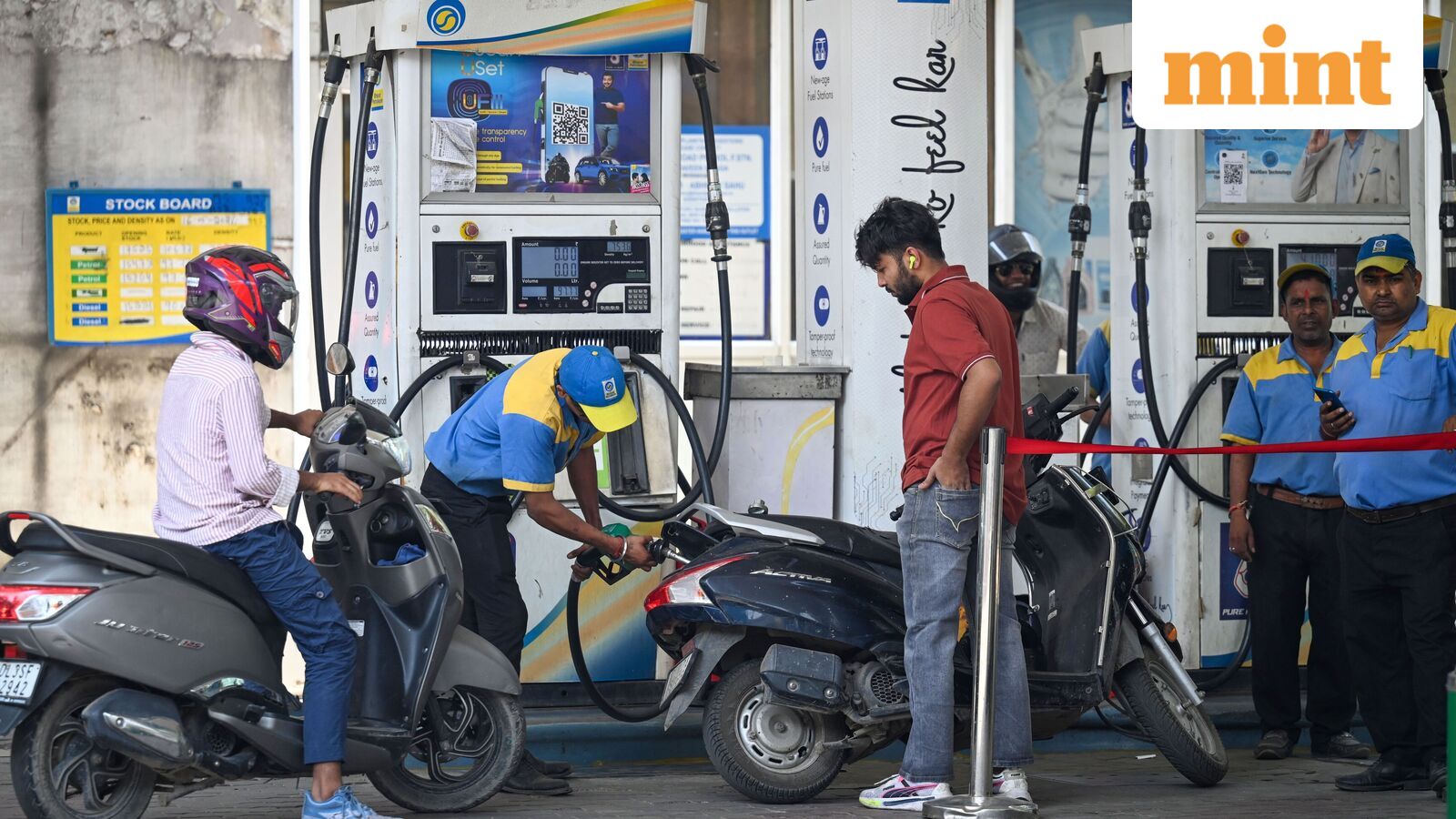
Petrol Diesel Prices Today: 17 July Fuel Rates in Delhi, Mumbai, Bengaluru, Kolkata Amid US-Iran War
Theindiapostdaily.com – India’s petrol and diesel prices remained stable on 17 July as global oil markets braced for potential disruptions from the escalating US-Iran tensions. The day’s fuel rates in major cities like Delhi, Mumbai, Bengaluru, and Kolkata showed minimal fluctuations, influenced by the Brent crude benchmark approaching its strongest weekly gain since April. Analysts noted that the renewed conflict between the United States and Iran has intensified concerns about oil supply security, particularly through the Strait of Hormuz, a key chokepoint for global energy trade.
Global Oil Market Volatility
The recent US strikes on Iran have reignited fears of instability in the Middle East, with Brent crude prices surging as the conflict entered its sixth day. Market participants are closely watching the situation, as the potential for further attacks on energy infrastructure could lead to a 12% price increase this week, pushing the benchmark to near $85 per barrel, as per Bloomberg reports. The volatility in international markets has so far not translated to significant retail price changes in India, thanks to state-controlled oil companies maintaining their pricing strategies.
“The temporary stability in fuel prices is due to OMCs acting as a buffer against global market swings,” said a Bloomberg analyst. “However, the risk of prolonged disruptions remains high, and consumers may see adjustments if the situation escalates.”
India, the world’s third-largest supplier of seafarers, is now facing challenges as over 15,000 Indian sailors are stranded near the Strait of Hormuz following recent attacks on commercial vessels. The Directorate General of Shipping has imposed restrictions on Indian seafarers navigating the region, raising concerns about the impact on oil imports and, by extension, domestic fuel prices. With two crew members killed in the attacks, the maritime sector has become a focal point for both security and economic stability.
Regional Implications and Consumer Impact
The situation in the Strait of Hormuz has broader implications for India’s energy landscape, as the country relies heavily on imports from the Gulf region. While petrol and diesel prices in Delhi, Mumbai, Bengaluru, and Kolkata stayed unchanged, the underlying cost of crude oil has risen, potentially setting the stage for future adjustments. Analysts warn that if the US-Iran conflict persists, India’s fuel prices could face upward pressure, especially as the government continues to monitor global market trends.
Goldman Sachs has projected that Brent crude could reach $110 per barrel by the end of the year if Gulf production remains constrained. However, a swift resolution to the conflict might allow prices to stabilize, even dipping into the $60s. This outlook underscores the delicate balance between international oil dynamics and India’s domestic pricing policies, which aim to cushion consumers from sharp market swings. As petrol and diesel prices today remain steady, the coming weeks will be critical for assessing the long-term effects of the geopolitical situation.
Consumer Behavior and Market Reactions
Despite the lack of immediate price changes, Indian consumers are showing increased awareness of fuel cost trends. Petrol and diesel prices today are closely tracked in urban centers, with many opting for public transport or carpooling to mitigate potential hikes. The impact of the US-Iran war on fuel prices has also sparked discussions among economists about the role of government subsidies in maintaining affordability.
“Petrol diesel prices today reflect the interplay between global volatility and local policy decisions,” noted an energy market expert. “If the situation worsens, we may see a ripple effect on transportation costs and inflation.”
Analysts suggest that while the current stability in fuel prices is reassuring, the market is highly sensitive to geopolitical shocks. The increased threat level in the Strait of Hormuz has already led to a cautious approach by shipping companies, with some rerouting vessels to avoid risk. As India’s fuel prices today remain unchanged, the coming days will be a test for OMCs to maintain their pricing strategies amid growing uncertainty. The situation also highlights the importance of diversifying energy sources to safeguard against future disruptions.