PM Modi deepfake investment video promising ₹25 lakh monthly income goes viral; PIB fact-check warns of phishing scam
PM Modi Deepfake Investment Video Promises ₹25 Lakh Monthly Income, Goes Viral PM Modi deepfake investment video promising 25 - A deepfake video featuring
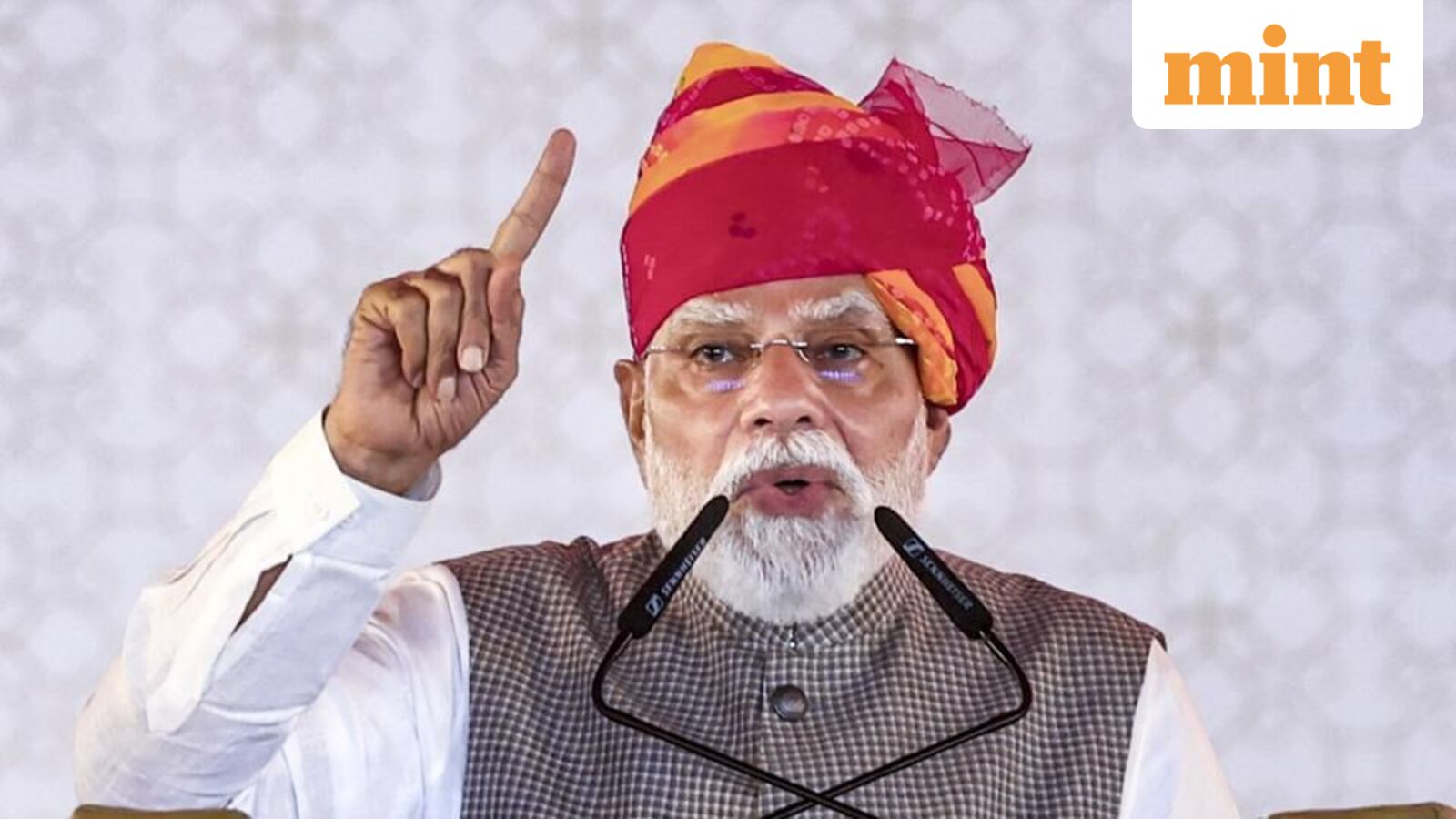
PM Modi Deepfake Investment Video Promises ₹25 Lakh Monthly Income, Goes Viral
Theindiapostdaily.com – A deepfake video featuring Prime Minister Narendra Modi has captured widespread attention online, misleading viewers into believing he endorsed an investment scheme that promises a staggering ₹25 lakh monthly income. The video, which mimics Modi’s appearance and speech, was shared extensively on social media platforms, raising concerns about the spread of misinformation and potential financial fraud. The video shows Modi promoting a digital platform that claims to offer quick wealth through a modest initial investment of ₹22,000, making it a prime example of how AI-generated content can deceive the public. The Ministry of Information and Broadcasting (PIB) has since issued a warning, clarifying that the video is fake and not an official endorsement of the investment platform.
PIB Fact Check Condemns AI-Generated Deception
According to the PIB Fact Check, the video was created using artificial intelligence tools to replicate Modi’s likeness and voice. The agency has actively debunked the claim, emphasizing that the Prime Minister has not endorsed any such investment scheme. “This video is #Fake and AI-generated. The Prime Minister has not endorsed any such investment scheme or platform,” PIB stated in a post on X, urging users to remain vigilant. The warning is part of a broader effort to combat phishing scams, where scammers use deceptive tactics to steal personal and financial data from unsuspecting individuals.
The video’s viral spread highlights the growing threat of deepfakes in the financial sector. These AI-powered forgeries can be used to manipulate public trust, leading to significant financial losses. PIB has advised citizens to cross-verify information with official government sources and avoid sharing sensitive details such as one-time passwords (OTPs) or login credentials with untrusted links. This proactive approach is crucial in an era where digital misinformation can spread rapidly.
MeitY Clarifies No Directive Against OpenAI and Anthropic Models
As concerns about AI-generated content intensified, some reports suggested that the Ministry of Electronics and Information Technology (MeitY) had issued a directive to halt the use of cybersecurity models from OpenAI and Anthropic. However, PIB Fact Check swiftly refuted this, stating that no such order had been issued. “This claim is FAKE. MeitY has not issued any such direction or advisory prohibiting Ministries from using OpenAI or Anthropic,” the agency clarified on X. This correction is vital, as it prevents confusion and ensures that users are not misled by false claims about AI technologies.
The PIB’s clarification underscores the importance of fact-checking in the digital age. With AI tools becoming more advanced, it’s essential for government agencies and citizens to stay informed about the authenticity of online content. The agency has urged individuals to rely on verified information from official channels, reinforcing the need for critical thinking when encountering sensational claims. This guidance is particularly relevant as deepfake videos and other AI-generated content continue to evolve.
RBI Alert Catches Users Off Guard with Deceptive WhatsApp Messages
In a related development, users were also alerted to a fraudulent WhatsApp message that appeared to originate from the Reserve Bank of India (RBI). The message contained an APK file and falsely claimed that an account would be suspended unless users clicked on the link. PIB Fact Check identified this as another phishing scam, designed to trick individuals into divulging their personal and banking information. “This message is Fake,” the agency concluded, advising users to double-check the authenticity of messages before taking any action.
These incidents illustrate the increasing sophistication of financial scams, where scammers exploit both deepfake videos and deceptive messaging to target unsuspecting users. The PIB has stressed the importance of digital literacy and prompt verification of information, especially when it comes to high-profile figures like Modi. By raising awareness and providing clear directives, the government aims to minimize the risk of widespread financial loss and protect citizens from online threats.
As the use of AI in content creation becomes more prevalent, the need for robust fact-checking mechanisms has never been greater. The PIB’s swift response to the deepfake video demonstrates how government agencies are adapting to new challenges in the digital landscape. However, the responsibility to identify and report fake content also lies with the public. Citizens must remain cautious and report suspicious links or messages to official channels, ensuring that misinformation is contained before it causes significant damage.