Petrol and diesel prices today: Check fuel rates in Delhi, Mumbai, Bengaluru, Kolkata on 14 July as Brent rebounds
India's petrol and diesel prices today remain unchanged, despite a
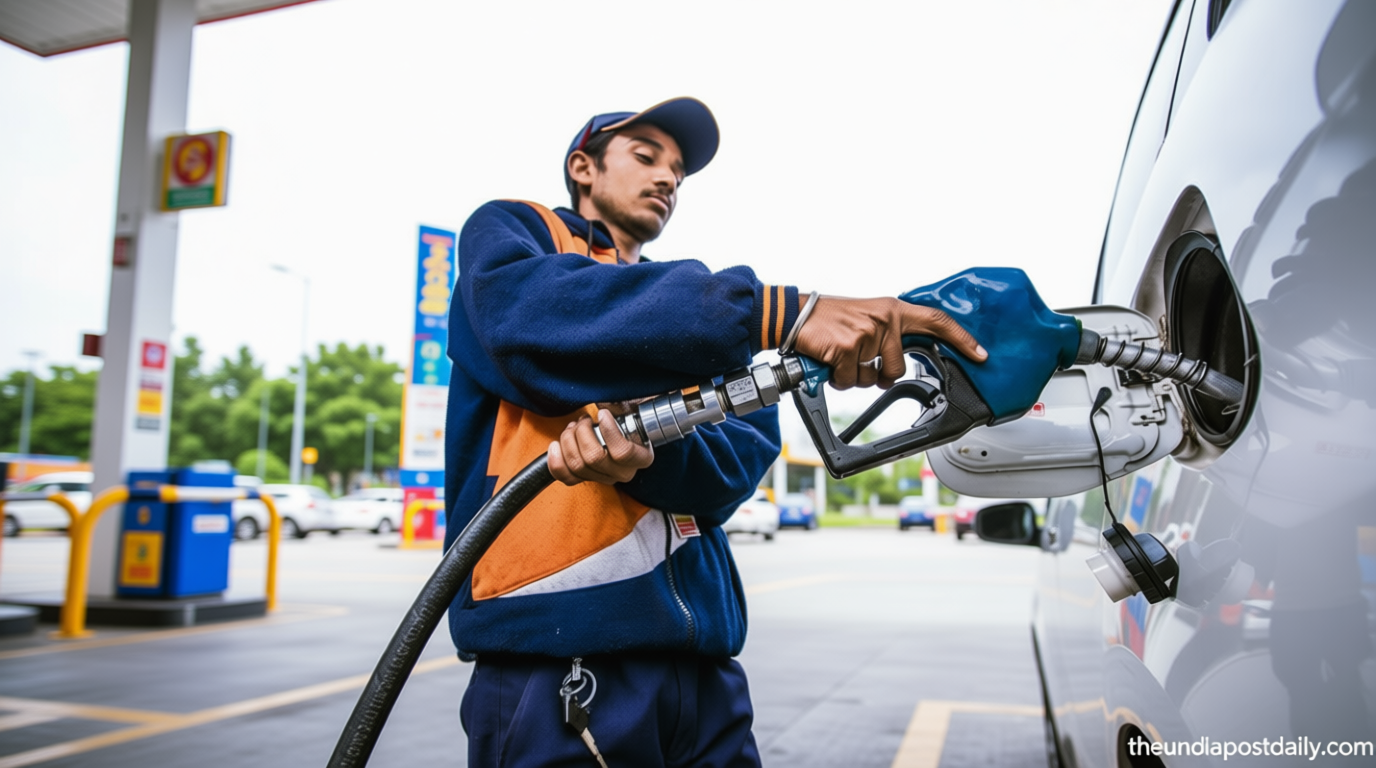
Petrol and Diesel Prices Today: Delhi, Mumbai, Bengaluru, Kolkata Fuel Rates on 14 July
Theindiapostdaily.com – India’s petrol and diesel prices today remain unchanged, despite a significant rebound in Brent crude prices. The state-owned Oil Marketing Companies (OMCs) have maintained the same rates in major cities including Delhi, Mumbai, Bengaluru, and Kolkata, reflecting a cautious approach amid global market fluctuations. This decision comes as the international benchmark, Brent crude, surged to $84.98 per barrel, driven by escalating tensions in the Persian Gulf and geopolitical uncertainties in the region. Consumers across the country are now closely monitoring how these developments might impact fuel costs in the coming weeks.
The recent price increase in Brent crude, which rose 9.6% in the previous trading session, signals a shift in global energy dynamics. This surge was fueled by renewed conflicts between regional powers and disruptions in the strategic Strait of Hormuz, a critical shipping route for oil exports. The US naval blockade in the area has further heightened market anxiety, creating volatility in energy pricing. While these factors could push domestic fuel prices higher, OMCs have opted for stability, ensuring minimal fluctuations in retail rates for now.
Geopolitical Tensions and Their Impact on Oil Markets
The Persian Gulf has become a focal point of geopolitical instability, directly influencing India’s fuel prices today. Iran’s recent attacks on US assets in Kuwait and the targeting of a vessel in Omani waters have intensified regional hostilities. These incidents, which occurred in late June, have disrupted oil shipments and raised concerns about potential supply chain disruptions. The UAE’s confirmation of damaged oil tankers highlights the vulnerability of critical trade routes, with the Strait of Hormuz being a major chokepoint for global oil flow.
Experts warn that such disruptions could lead to long-term price adjustments. The US and its allies have expressed readiness to respond to Iran’s actions, potentially escalating the situation. Meanwhile, India, as one of the world’s largest oil importers, is closely tracking these developments. The country’s reliance on imports from the Middle East means any geopolitical shift in the region could have a direct bearing on petrol and diesel prices today and in the near future. The incident also resulted in an Indian crew member losing their life and others injured, underscoring the human cost of oil market volatility.
RBI’s Inflation Forecast and Fuel Cost Dynamics
India’s central bank, the Reserve Bank of India (RBI), has revised its inflation projections, raising the 2026-27 target from 4.6% to 5.1%. This adjustment reflects the growing influence of global fuel price trends on domestic inflation. In June, the country’s retail inflation hit 4.38%, a notable rise from the 3.93% recorded in May, driven largely by increases in energy costs. The RBI’s updated forecast highlights the challenges posed by fluctuating oil prices and their ripple effect on consumer spending and economic planning.
Analysts suggest that sustained high fuel prices could push inflation further, affecting everything from transportation to industrial production. The central bank’s latest projections emphasize the need for balanced monetary policy to manage these pressures. While the current stability in fuel rates is a relief for consumers, the underlying factors—such as Brent crude’s rebound and geopolitical tensions—mean that the situation remains fluid. The RBI’s decisions will be pivotal in determining how the economy navigates these challenges in the months ahead.
The interplay between global oil markets and domestic fuel pricing has become increasingly complex. With Brent crude’s recent climb, the question of whether India will follow suit in its fuel rates has resurfaced. However, the OMCs have maintained a steady approach, prioritizing consistency over immediate adjustments. This strategy may be influenced by factors such as government subsidies, domestic demand trends, and the timing of the next price review. The prices today are a testament to the OMCs’ ability to balance international market pressures with local economic conditions.
As India’s fuel prices today remain stable, the focus shifts to future scenarios. If the Strait of Hormuz remains a point of contention, the potential for sharp price increases looms. Conversely, if the situation de-escalates, there may be a temporary easing of tensions. The current stability in Delhi, Mumbai, Bengaluru, and Kolkata offers a brief reprieve for motorists and businesses, but the underlying factors ensure that the market is not without risk. OMCs are likely to remain vigilant, with any significant developments in the oil sector prompting a reevaluation of pricing strategies.
“The resilience of petrol and diesel prices today is a result of strategic planning by OMCs, but the global context remains unpredictable,” said Jay Hatfield, CEO of Infrastructure Capital Management. “Retailers and consumers should prepare for potential adjustments in the coming weeks, especially if geopolitical tensions persist or energy demand spikes.”