Indian Railways opens wagon design to private industry in latest reform push
A landmark decision by Indian Railways to open wagon design to private firms marks a pivotal
Indian Railways Opens Wagon Design to Private Industry
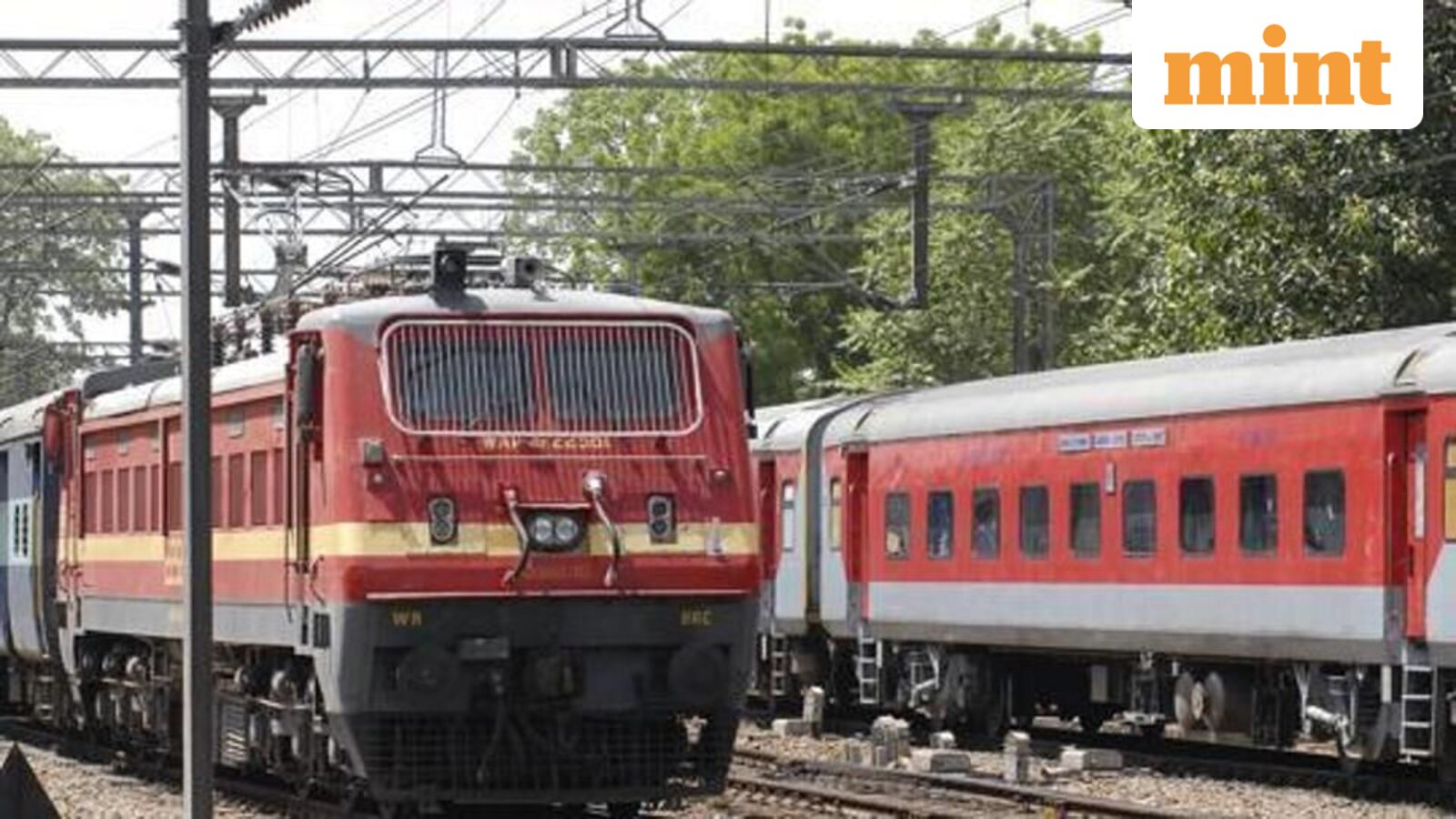
Theindiapostdaily.com – A landmark decision by Indian Railways to open wagon design to private firms marks a pivotal moment in the country’s transportation sector. This move, part of an ambitious set of eight reforms announced this week, seeks to revitalize the rail freight system by fostering innovation and enhancing efficiency. By allowing private companies to develop specialized commodity wagons, the initiative aims to boost competition, reduce costs, and expand the share of freight traffic handled by the railways, which currently accounts for 27% of India’s cargo movement.
Reforms as Part of ’52 in 52′ Initiative
These reforms, categorized under measures 10 to 17 in the government’s ’52 reforms in 52 weeks’ plan, span multiple domains such as wagon design, container logistics, and construction practices. The strategy emphasizes modernization and alignment with global freight standards, ensuring that Indian Railways remains competitive in the evolving logistics landscape. By decentralizing wagon design, the railways hope to create a more dynamic ecosystem for freight innovation.
“These reforms are designed to simplify business processes and enable Railways to secure a greater portion of freight traffic, which will also contribute to lowering carbon emissions and cutting logistics costs,” said Railway Minister Ashwini Vaishnaw. The changes reflect a broader push to transform the sector into a more agile and responsive network, capable of meeting the diverse needs of industries and traders.
Private Sector Involvement in Wagon Design
A key component of the reforms involves shifting wagon design responsibilities from the public sector to private entities. Companies and designers can now submit proposals for customized freight wagons, with the Research Designs and Standards Organisation (RDSO) evaluating their feasibility. Once approved, these designs can move to the prototype stage, followed by rigorous testing and safety checks before integration into the national rail network. This approach not only diversifies the range of wagons available but also ensures that specific industry requirements, such as oil companies’ need for tailored tank wagons, are met efficiently.
Indian Railways opens wagon design to private industry to foster creativity and adaptability. Previously, the railways owned all freight wagons, limiting innovation. Now, private firms are encouraged to create specialized wagons for different cargo types, from fertilizers to food grains, improving transport efficiency and reducing delays. This shift is expected to drive technological advancements and lower operational costs across the sector.
Container Logistics and Freight Pricing Overhaul
The reforms also introduce significant changes to container logistics and freight pricing. Specialized containers for commodities like fertilizers, fly ash, and food grains are being promoted to enhance loading and unloading efficiency. Additionally, a new pricing structure for fertilizers has been implemented, moving from a classification-based system to a per-km, per-tonne model with a flat-tapered-flat approach. This overhaul is anticipated to make freight services more transparent and cost-effective for businesses.
Under the updated framework, a single Container Train Operator (CTO) license now grants nationwide access, replacing route-specific permits. Operators pay a fixed registration fee of ₹25 crore and can extend licenses after 20 years without additional charges. This simplification is expected to streamline operations and reduce administrative hurdles for logistics providers, further supporting the goal of Indian Railways opens wagon design to private industry.
Construction and Project Execution Reforms
Construction and project management processes have also been overhauled. Contractors are now required to provide performance security of 10% and ensure pending litigation does not exceed 50% of their net worth. This change aims to mitigate risks and ensure timely project completion. All-risk and professional indemnity insurance has been mandated for all railway projects, adding a layer of financial protection. Land acquisition is now more efficient through the Rail Bhoomi platform, with land released in sequential stages to maintain momentum in infrastructure development.
Support for Artisan Workforce
As part of its broader strategy, Indian Railways has introduced a policy to upskill the artisan workforce involved in railway and infrastructure projects. This initiative ensures that traditional craftsmanship is preserved while integrating modern techniques, enhancing both the quality and speed of construction. Training programs and partnerships with industry experts will help artisans adapt to new technologies and design standards, reinforcing the goal of Indian Railways opens wagon design to private industry by creating a more capable and innovative workforce.