Domestic LPG cheapest in India despite price hike, says Modi govt; how cooking gas rates fare in Pakistan, US, Canada
Despite a recent price hike, India continues to offer the most affordable
India’s LPG Prices Still Cheapest Despite Recent Hike
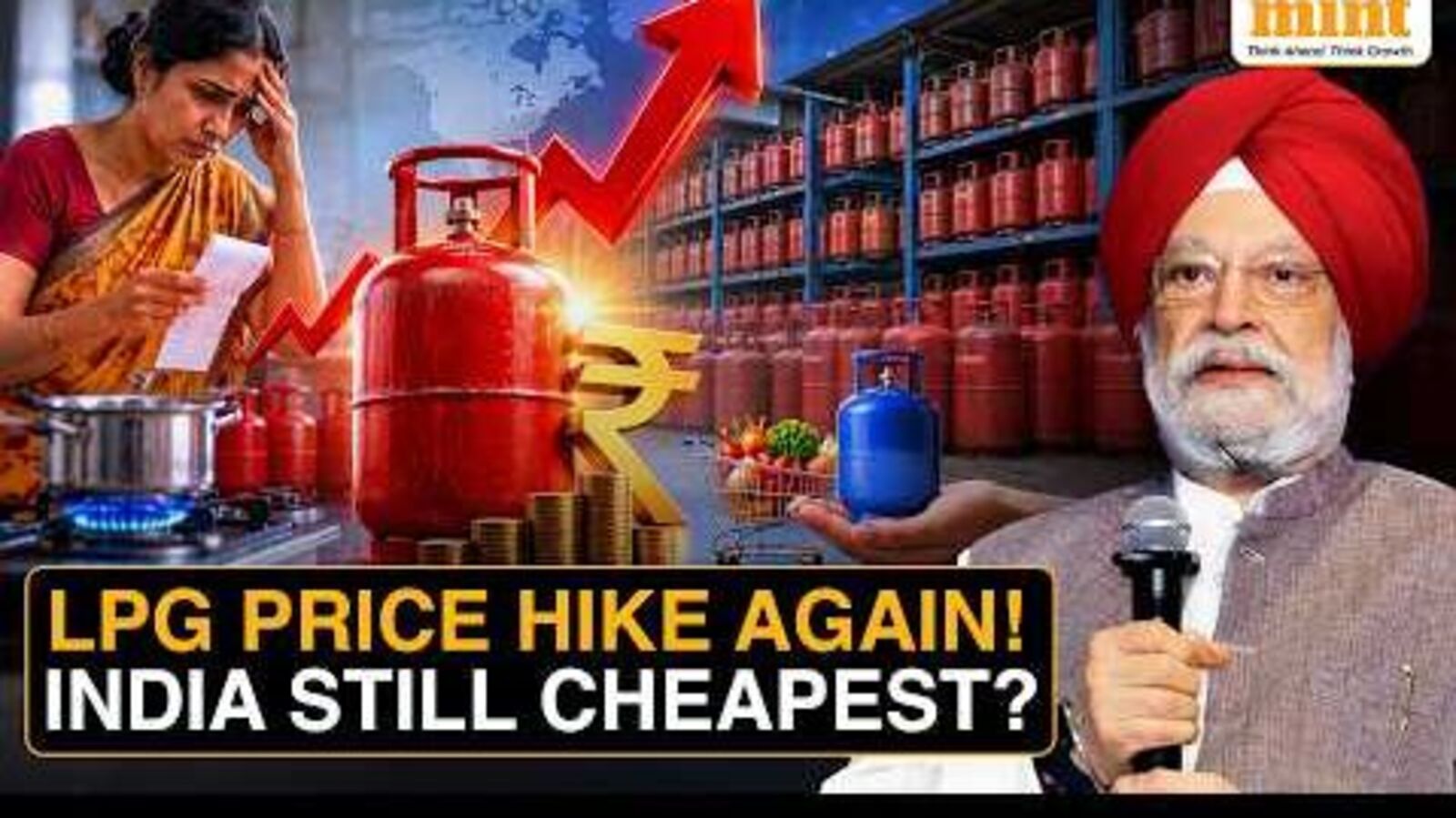
Theindiapostdaily.com – Despite a recent price hike, India continues to offer the most affordable domestic liquefied petroleum gas (LPG) to households, according to the Modi government. The adjustment of ₹29 per cylinder has pushed the total cumulative increase since the West Asia conflict began to ₹89, raising the price to ₹942. However, the government maintains that its pricing strategy ensures LPG remains a cost-effective option for consumers compared to international markets. This position underscores India’s role as a regional leader in providing budget-friendly cooking gas, even amid rising global costs.
Comparative Cost Analysis
When benchmarked against global counterparts, India’s LPG pricing stands out for its affordability. The Ministry of Petroleum and Natural Gas has highlighted that consumers in Pakistan, the United States, and Canada face significantly higher costs for similar gas cylinders. For instance, in the U.S., a standard 20-pound propane cylinder averages around $120, while in Canada, prices for 13.5 kg cylinders often exceed CAD 100. In contrast, Indian consumers pay ₹942 for a 14.2 kg cylinder, maintaining a competitive edge. The government’s ability to absorb price fluctuations through subsidies helps sustain this advantage.
“The government has managed to shield households from the full brunt of international cost rises. By bearing the burden of price hikes upstream, we ensure domestic LPG remains accessible,” said a statement from the Ministry of Petroleum and Natural Gas.
This approach allows India to maintain its status as the cheapest market for LPG, even as global prices climb.
Subsidy and Support Mechanisms
India’s LPG affordability is bolstered by targeted subsidy programs designed to protect vulnerable populations. The Pradhan Mantri Ujjwala Yojana (PMUY) has been pivotal, providing direct benefit transfers of ₹300 per cylinder to beneficiaries. This reduces the effective cost to ₹642 for a 14.2 kg cylinder, ensuring energy access for low-income households. Meanwhile, the general consumer in Delhi pays the full price of ₹942, with the supply cost for commercial cylinders reaching over ₹1,600. This ₹700 under-recovery per cylinder is offset through strategic government interventions, demonstrating a well-structured support system.
Such subsidies not only stabilize domestic prices but also align with India’s broader economic goals of reducing energy poverty. By keeping LPG affordable, the government encourages its use over more expensive alternatives like kerosene or electricity, promoting sustainable household energy consumption. The effectiveness of these measures is evident in the continued lower prices for domestic users, even as international markets fluctuate.
Global Market Influence
India’s LPG pricing is closely linked to global market dynamics, yet the domestic pricing structure remains distinct. While commercial cylinders are adjusted monthly based on international benchmarks, domestic cylinders are subject to a different mechanism. This allows the government to control prices more effectively for households. Historically, 60% of India’s LPG demand was met through imports, with the landed cost reflecting the Saudi Contract Price (CP) set by Saudi Aramco. However, recent changes have reduced this dependency, enhancing price stability.
The Strait of Hormuz closure in late February 2024 marked a turning point in global energy markets. The April contract price for LPG surged from US$543 per tonne to US$775, and further to US$790 by June. This 46% increase in the 50:50 propane-butane blend used domestically has raised supply costs to over ₹1,600 per cylinder. Despite these challenges, India’s ability to absorb the costs through subsidies and strategic procurement keeps domestic prices low, reinforcing the “cheapest in India” narrative.
Market Price Disparity
The disparity between commercial and domestic LPG pricing highlights the government’s role in protecting household budgets. While commercial users in Delhi pay ₹3,113.50 for a 19 kg cylinder after five adjustments during the West Asia crisis—equivalent to ₹164 per kilogram—the domestic rate remains at around ₹66 per kilogram. This difference is attributed to the government’s intervention, which ensures that price increases are not directly passed to end-users.
Such pricing strategies also benefit industries reliant on LPG. By keeping domestic rates lower, the government supports manufacturing and agriculture sectors, which use LPG for energy-intensive processes. This creates a buffer against international price volatility, allowing businesses to plan more effectively. The result is a market where LPG remains a cornerstone of both household and industrial energy needs, despite global pressures.
India’s commitment to maintaining affordable LPG prices is a testament to its energy policy priorities. Even as global markets fluctuate, the country’s pricing mechanism ensures that households can access clean fuel at competitive rates. This not only supports economic inclusivity but also aligns with environmental goals by promoting the use of LPG over traditional fuels. The Modi government’s continued emphasis on this policy reinforces India’s position as a leader in providing cost-effective energy solutions.