Cabinet approves ₹62,500 crore mobile manufacturing scheme to boost production, exports
Union Cabinet Approves ₹62,500 Crore Mobile Manufacturing Scheme to Boost Exports Government Strategy to Strengthen Domestic Industry and Global Market Position Theindiapostdaily.com – The Union Cabinet has given its approval…
Union Cabinet Approves ₹62,500 Crore Mobile Manufacturing Scheme to Boost Exports
Government Strategy to Strengthen Domestic Industry and Global Market Position
Theindiapostdaily.com – The Union Cabinet has given its approval to a landmark ₹62,500 crore initiative aimed at revitalizing India’s mobile manufacturing sector and expanding its export potential. This decision, announced under Prime Minister Narendra Modi’s leadership, marks a significant step in the government’s broader vision to make India a key player in global electronics production. The scheme, which will run for five years starting from FY2026-27 to FY2030-31, is designed to incentivize domestic manufacturing and reduce reliance on imported components. By focusing on production-linked incentives, the government seeks to create a sustainable ecosystem for mobile phone production, aligning with its Make in India campaign.
Key Provisions of the Mobile Phone Manufacturing Scheme (MPMS)
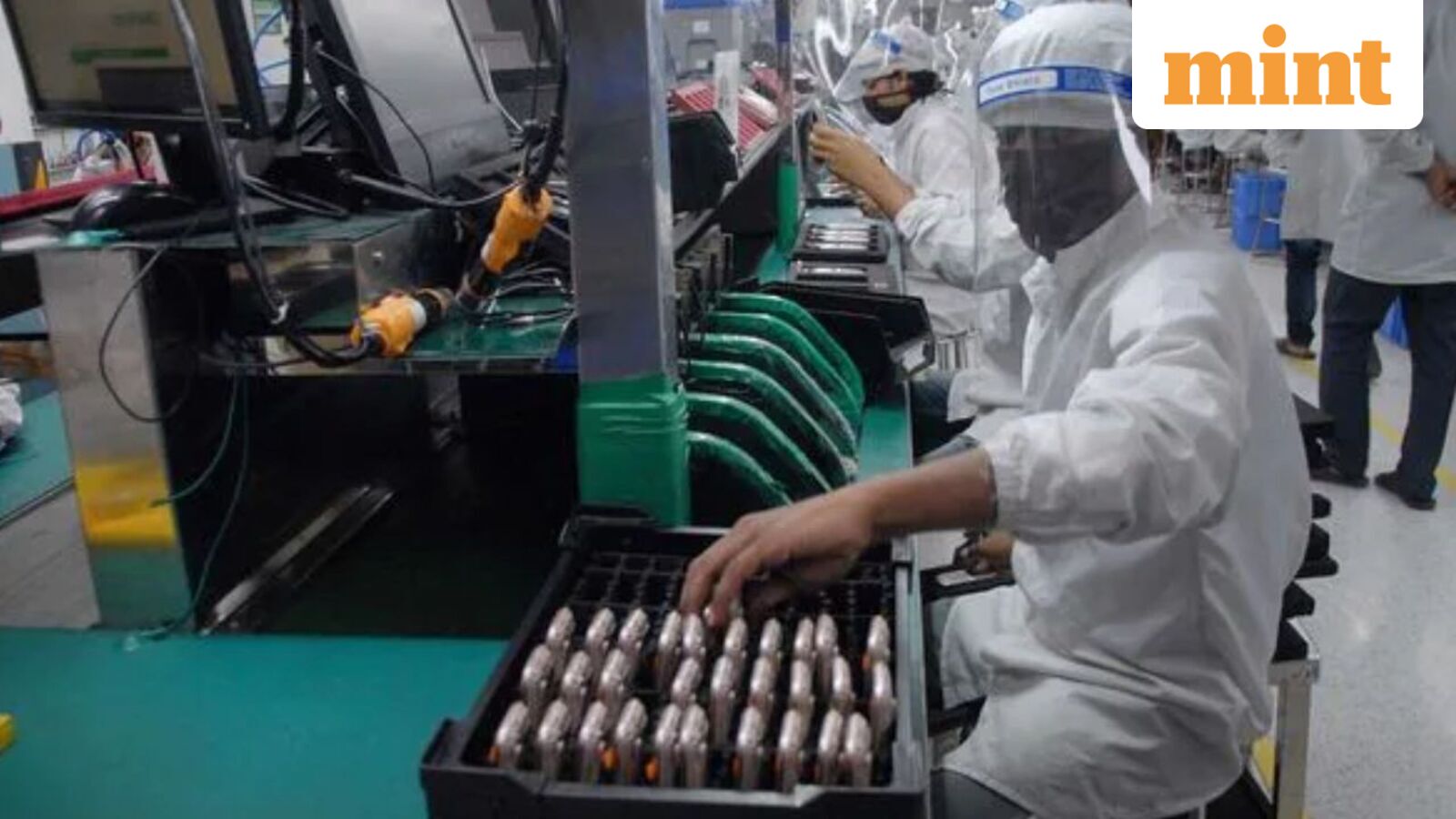
The Cabinet-approved scheme replaces the earlier Production Linked Incentive Scheme for Large Scale Electronics Manufacturing (PLI-LSEM), which expired in March 2026. This transition underscores the government’s commitment to refining its approach to fostering indigenous manufacturing. The MPMS introduces a tiered incentive structure, offering manufacturers a 2.25% to 5% rebate on sales, with an additional 1.5% bonus for sourcing major components and sub-assemblies locally. Firms engaged in product design and research and development will receive a 3% incentive, encouraging innovation and self-reliance in critical technologies.
The primary objective of the MPMS is to drive cumulative production of ₹39 lakh crore over the scheme’s tenure, significantly boosting India’s manufacturing capacity. With 99.2% of mobile phones currently produced domestically, the initiative aims to further solidify the country’s position as the world’s second-largest mobile phone manufacturing hub by volume. By integrating local supply chains and promoting innovation, the government hopes to reduce trade deficits and enhance export competitiveness. This will be achieved through a combination of financial incentives and strategic policy support.
Impact on India’s Electronics Sector
“Smartphones have emerged as the single largest exported product category from India in 2025, surpassing traditional leading export items such as diesel fuel and cut diamonds,” the government emphasized in its official statement. This reflects the rapid growth of India’s electronics manufacturing industry, which has seen production surge sevenfold and exports increase elevenfold since FY2014-15. The Cabinet-approved scheme is poised to build on this momentum, addressing gaps in the supply chain and creating approximately 60,000 direct jobs across the sector.
The Ministry of Electronics and Information Technology (MeitY) reported that mobile phone production in India grew from ₹18,900 crore in FY2014-15 to ₹6.27 lakh crore in FY2025-26, highlighting the sector’s transformative trajectory. Exports, which rose from ₹1,566 crore to ₹2.60 lakh crore during the same period, now account for a major share of India’s export portfolio. The scheme is expected to further catalyze this growth by incentivizing firms to invest in advanced manufacturing technologies and scale up operations. The government has also pledged to streamline regulatory frameworks and improve infrastructure to support this expansion.
Challenges and Opportunities Ahead
While the Cabinet-approved scheme presents a robust framework for growth, challenges such as supply chain disruptions and the need for skilled labor remain. The government has acknowledged these hurdles and plans to address them through targeted interventions, including partnerships with private sector players and the establishment of specialized training programs. Additionally, the focus on local sourcing is critical to ensuring long-term sustainability, as it reduces dependency on foreign suppliers and mitigates risks associated with global market fluctuations.
Analysts note that the scheme’s emphasis on export growth could position India as a competitive alternative to traditional electronics manufacturing hubs like China. By leveraging its large domestic market and favorable labor costs, India aims to attract more foreign direct investment (FDI) and secure contracts with international brands. The MPMS also includes provisions for technology transfer and capacity-building, which are essential for advancing the sector beyond mere volume growth. These measures are expected to foster a more innovative and resilient industry, capable of meeting global demand with high-quality products.
As the government moves forward with implementing the Cabinet-approved scheme, it will need to ensure transparency in the allocation of incentives and monitor progress against set targets. The success of this initiative will hinge on the collaboration between public and private sectors, as well as the ability to adapt to evolving market demands. With the five-year roadmap in place, India’s electronics manufacturing industry is set for a transformative phase, driven by a combination of fiscal support, policy innovation, and strategic global outreach.
The ₹62,500 crore mobile manufacturing scheme is part of a larger vision to transition India into a global manufacturing leader. By prioritizing domestic production and exports, the government aims to reduce the country’s trade deficit while generating substantial economic returns. The scheme’s financial incentives, coupled with a focus on innovation and supply chain integration, are expected to attract new players to the market and encourage existing manufacturers to scale up operations. As the initiative takes shape, it will serve as a benchmark for other industries seeking similar growth trajectories under the Make in India framework.