New York Times challenges DOJ subpoenas in Air Force One leak case, cites press freedom
New York Times Challenges DOJ Subpoenas in Air Force One Leak Case Theindiapostdaily.com – The New York Times has taken a bold stance against the U.S. Department of Justice (DOJ)…
New York Times Challenges DOJ Subpoenas in Air Force One Leak Case
Theindiapostdaily.com – The New York Times has taken a bold stance against the U.S. Department of Justice (DOJ) by challenging subpoenas issued in the Air Force One leak investigation. The legal move, filed in the Southern District of New York, comes as the newspaper seeks to defend its journalists’ rights to protect confidential sources. The case, which centers on the Times’ reporting about security flaws in the Qatar-purchased Boeing 747-8 jet, has reignited debates about press freedom and government overreach. The focus keyword, “New York Times challenges DOJ subpoenas,” is central to the dispute, with the newspaper arguing that the subpoenas target its ability to inform the public without fear of retaliation.
The Subpoena Context and Reporting Details
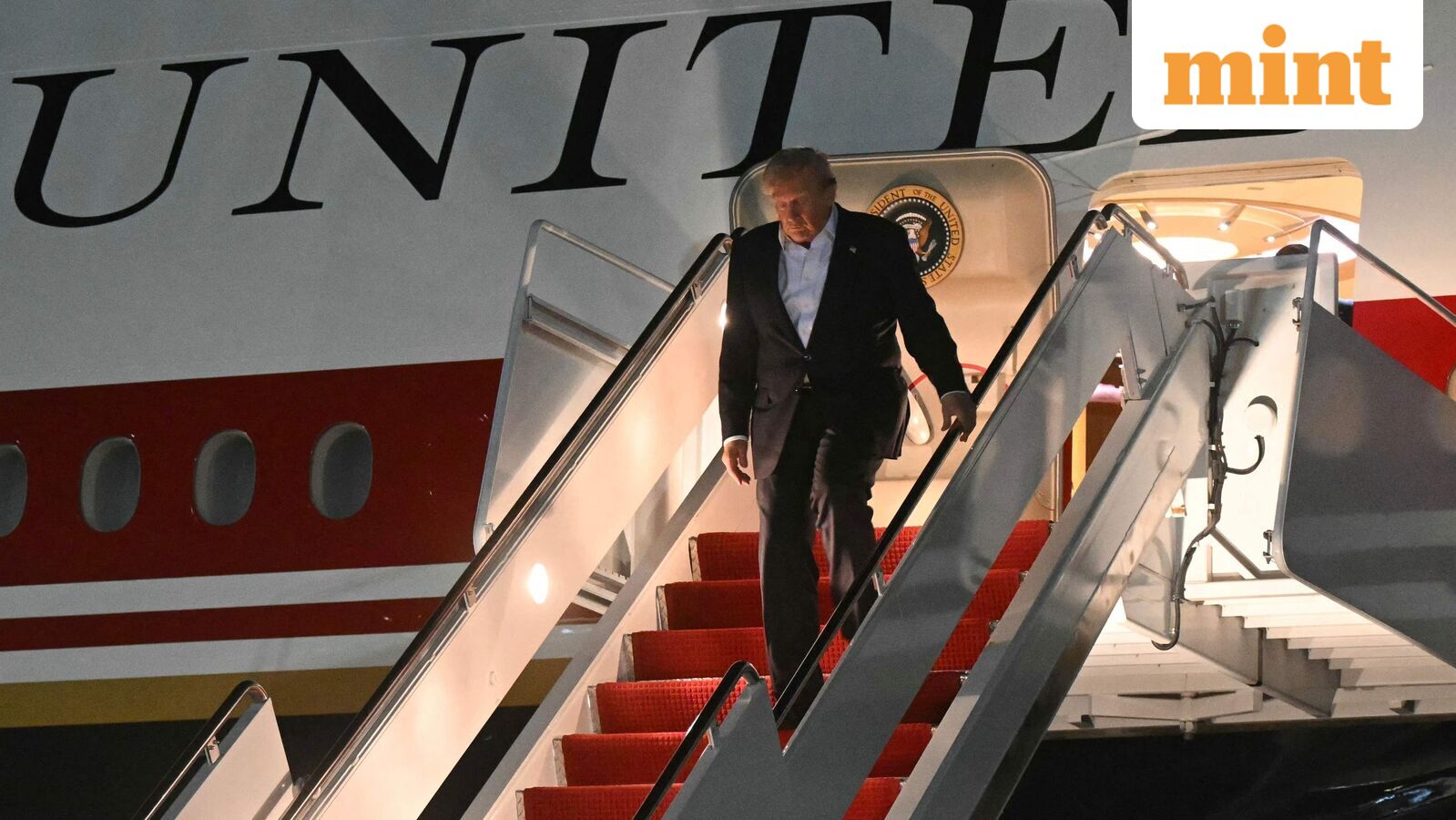
The DOJ’s subpoenas were issued following a report by the New York Times that exposed vulnerabilities in the new Air Force One aircraft. The investigation revealed that President Donald Trump had to rely on an older plane after the Secret Service raised concerns about the Qatar-funded model lacking essential security upgrades. Modifications totaling around $400 million were planned to address these issues before the aircraft became operational. The subpoenas specifically targeted three of the five named reporters, requiring them to testify before a federal grand jury about their sources. This action has been seen as a significant step in the DOJ’s broader strategy to scrutinize anonymous leaks and hold media outlets accountable for their reporting.
“These subpoenas are issued in bad faith to penalize The New York Times for its coverage. They infringe on our constitutional rights and those of our reporters. We are pursuing this in court to safeguard the freedom to report on the administration and share vital stories with the public,” stated David McGraw, the Times’ senior vice president and deputy general counsel. His comments highlight the newspaper’s determination to protect the First Amendment rights of its journalists, a principle they argue is under threat in the current legal battle.
Broader Implications for Press Freedom and Government Oversight
The New York Times challenges DOJ subpoenas case is part of a larger pattern of tension between the Trump administration and the media. Earlier this year, the FBI raided the home of Washington Post reporter Hannah Natanson, citing her role in a leak investigation. That incident sparked widespread criticism from press freedom advocates, who saw it as an effort to intimidate journalists into revealing their sources. The Times’ legal action now adds to this narrative, emphasizing the risk of government agencies using subpoenas to control the flow of information.
The DOJ has defended its approach, asserting that its goal is to uncover the identity of individuals leaking classified information. In a press release, the department stated, “Our role is to ensure those entrusted with national secrets act responsibly, safeguarding classified data.” Acting Attorney General Todd Blanche, who supported the subpoenas, argued that the reporters were “material witnesses” in the case, not targets. He reiterated that the focus remains on officials who may have disclosed sensitive information, not on the media itself.
When Senator Peter Welch of Vermont questioned whether the subpoenas aimed to compel reporters to reveal their sources, Blanche responded, “The question we seek is who provided classified national security information. Every member of this body should want to protect that.” This statement underscores the DOJ’s stance that the subpoenas are a necessary tool to trace leaks and maintain national security. However, critics argue that the process could be used to silence critical reporting, particularly in cases where the government suspects media outlets of disseminating sensitive information.
A Historical Shift in DOJ Subpoena Authority
The current case also reflects a significant shift in the DOJ’s authority to subpoena journalists. In 2025, former Attorney General Pam Bondi reversed a policy from the Biden administration that limited prosecutors’ ability to seize journalists’ phone records during leak investigations. This change restored the DOJ’s power to use subpoenas, court orders, and search warrants to access confidential communications. While the department has historically used such tools in national security cases, the Air Force One leak investigation marks one of the first instances where reporters were directly subpoenaed to testify about their sources in a federal grand jury proceeding.
For the New York Times, this represents a pivotal moment in its fight for press freedom. The legal team is arguing that the subpoenas threaten the newspaper’s ability to operate independently, particularly in a politically charged environment. The case has drawn attention to the balance between investigative reporting and government oversight, with implications for how the media can hold power accountable without facing undue pressure. As the legal battle unfolds, it may set a precedent for future cases involving journalists and classified information.