US-Iran peace deal framework: Who will pay $300 billion to help rebuild war-hit Tehran?
US-Iran Peace Deal: Who Funds the $300 Billion Rebuilding Effort? The Framework for a Lasting Accord US Iran peace deal framework - The US-Iran peace deal
US-Iran Peace Deal: Who Funds the $300 Billion Rebuilding Effort?
The Framework for a Lasting Accord
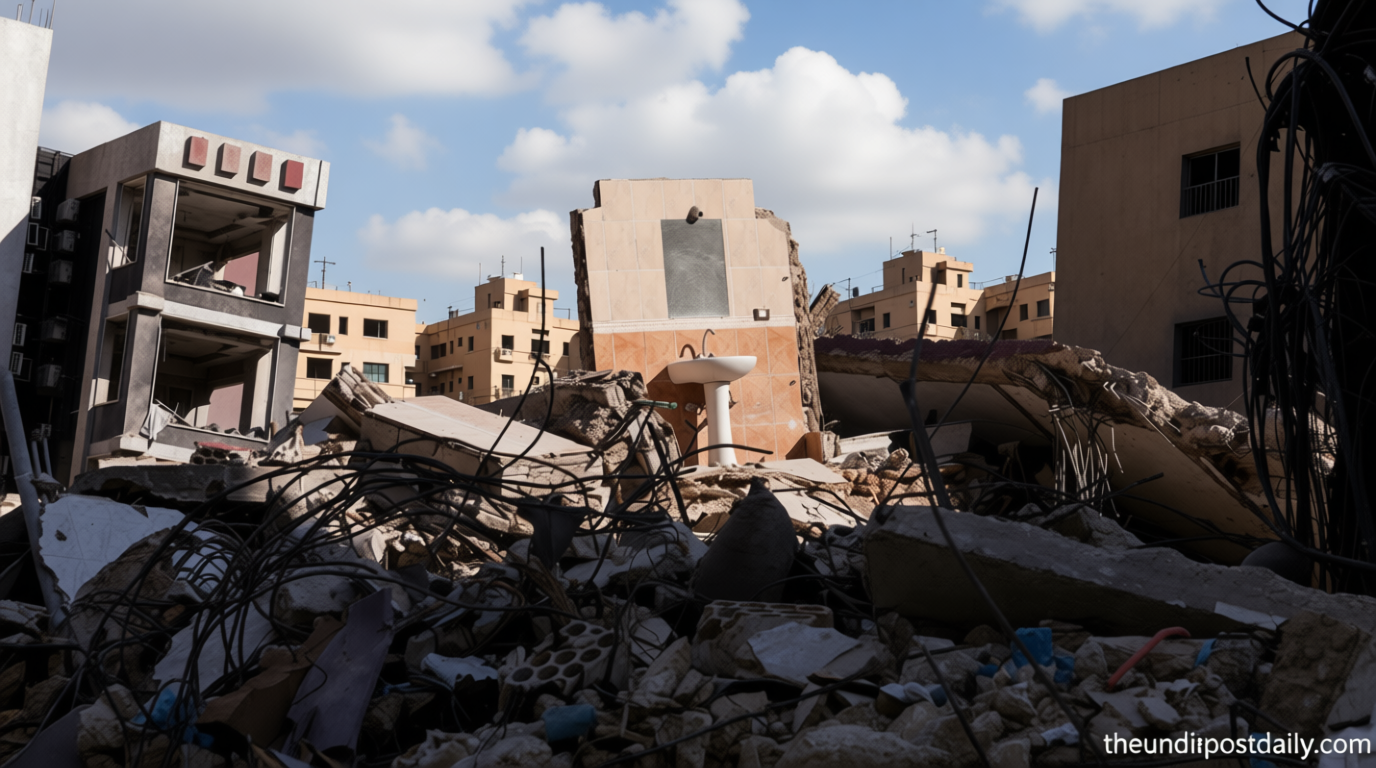
Theindiapostdaily.com – The US-Iran peace deal framework, currently under negotiation, has unveiled a critical component: a $300 billion reconstruction fund to restore war-torn Tehran. This initiative, part of a broader 14-point agreement, aims to provide economic relief to Iran while addressing the financial liabilities of the United States. The plan, outlined in recent diplomatic discussions, underscores the commitment of both nations to stabilize the region and foster long-term cooperation. By allocating significant resources to Iran’s recovery, the framework seeks to alleviate the impact of military strikes and create a foundation for renewed diplomatic relations.
Conditional Economic Support and Shared Responsibility
At the heart of the agreement is a conditional economic support mechanism, where the $300 billion fund will be sourced through a combination of private investments and contributions from Gulf Cooperation Council (GCC) nations. The US administration has emphasized that this funding structure ensures accountability, with Iran required to meet specific obligations before accessing the financial aid. These include commitments to reduce its nuclear capabilities, accept international inspections, and demonstrate transparency in its military operations. The deal also incorporates regional allies, leveraging their economic influence to balance the financial burden and align strategic interests.
The framework’s sixth clause outlines a phased approach to fund disbursement, contingent on Iran’s compliance with the agreement’s terms. This includes the establishment of a joint committee to oversee the reconstruction process and ensure that the funds are used effectively. The US and its partners have stressed that the initiative is not a handout but a strategic investment, designed to rebuild infrastructure, revitalize industries, and promote regional stability. Such a plan is expected to take at least two years to implement, with initial focus on critical sectors like energy and transportation.
Private Investment and Regional Partnerships
Private investment plays a pivotal role in the US-Iran peace deal framework, with Gulf states like the UAE and Saudi Arabia expected to contribute significantly. These nations, already engaged in economic ties with Iran, have shown willingness to support the reconstruction effort as part of their broader regional strategies. In addition to Gulf countries, international investors from Asia, South America, and Africa have pledged funds, demonstrating a global consensus on the need for economic cooperation. The private funding model also allows for greater flexibility in resource allocation, enabling targeted investments in sectors that promise rapid recovery and long-term growth.
US Vice President JD Vance highlighted the importance of private investment during recent briefings, stating that the framework’s success hinges on the participation of non-governmental entities. “The US-Iran peace deal framework is built on the principle that economic progress must be driven by private capital, not just government grants,” he remarked. Vance also noted that the agreement’s conditions are designed to ensure that Iran’s actions align with the goals of the deal, providing a clear path for sustained collaboration. This approach not only reduces the financial strain on the US but also encourages other nations to take an active role in the peace process.
Reparations and Political Concessions
The $300 billion fund represents more than just financial reparations; it serves as a political tool to incentivize Iran’s compliance with the agreement. By tying economic benefits to specific actions, the framework encourages Iran to demonstrate good faith in reducing its nuclear ambitions and cooperating with international oversight. This balance between financial support and political conditions is a key aspect of the US-Iran peace deal framework, ensuring that both parties benefit from the agreement while addressing lingering concerns about security and non-proliferation.
Experts suggest that the reconstruction fund could have a transformative impact on Iran’s economy, particularly in sectors devastated by war. However, the success of the US-Iran peace deal framework will depend on the ability to maintain trust between the two nations and ensure that the financial commitments are fulfilled. As the deal moves closer to finalization, its implementation will serve as a test of diplomatic resolve and economic collaboration. The framework’s long-term viability may also hinge on the willingness of regional partners to sustain their investments and the capacity of Iran to meet its obligations.
With the framework set to be signed soon, the question of funding remains a central issue. The US-Iran peace deal framework not only outlines the financial structure but also sets the stage for a new era of economic and political engagement. As the world watches the negotiations unfold, the success of this initiative could reshape the future of Middle Eastern diplomacy and create a model for resolving conflicts through mutual economic support.