US-Iran conflict spirals: Iran says telecom employee killed in Hormozgan attack, projectiles hit Qeshm Island
US-Iran Conflict Escalates: Iranian Telecom Employee Killed in Hormozgan Attack Theindiapostdaily.com – The US-Iran conflict spirals further as Iranian authorities confirmed the death of a Mobile Communications Company employee during…
US-Iran Conflict Escalates: Iranian Telecom Employee Killed in Hormozgan Attack
Theindiapostdaily.com – The US-Iran conflict spirals further as Iranian authorities confirmed the death of a Mobile Communications Company employee during an attack in Hormozgan province. The incident, which occurred in Bandar Lengeh, saw enemy forces strike the area, leaving one fatality and two injured among the staff. Iranian state media reported that the employee was killed while performing his duties, underscoring the growing intensity of the confrontation between the two nations.
Qeshm Island Under Fire: Projectiles Hit Strategic Facilities
Amid the escalating hostilities, projectiles targeted military installations on Qeshm Island, a strategic location near the Strait of Hormuz. The island’s governor reported that between 10 to 11 projectiles impacted key defense sites, though no casualties were confirmed. The strikes, which were aimed at reinforcing Iran’s control over the region, have raised concerns about the vulnerability of critical infrastructure in the area.
“Following the enemy attack on Farur, one employee of the Mobile Communications Company of Iran was killed while carrying out his duties, and two of his colleagues were injured.” – IRNA
US Launches Strikes to Halt Iranian Threats
On Sunday, the United States responded to the spiraling US-Iran conflict by launching a major military operation against 140 locations in Iran. The strikes targeted missile bases, drone facilities, ammunition stores, and communication hubs, all key components of Iran’s defense capabilities. Central Command stated that the initiative aimed to disrupt Iran’s ability to threaten global trade routes through the Strait of Hormuz, a vital artery for international commerce.
Iran’s Retaliatory Actions Expand Across the Region
Iran swiftly retaliated with missile and drone strikes against nations hosting US military bases, including Bahrain, Kuwait, Qatar, Jordan, and Oman. The attacks caused minor damage and injuries, with Qatar reporting three individuals, including a child, hurt by debris from intercepted projectiles. Jordan noted property damage from three Iranian missiles, while Oman highlighted drone strikes near the Strait of Hormuz and summoned its ambassador in protest. These actions reflect the ongoing spiraling US-Iran conflict, with each side escalating its military presence in the region.
“The era of one-sided deals is OVER. We told you: keep your word or pay the price. Reality is knocking.” – Parliament Speaker Mohammad Bagher Qalibaf
Strait of Hormuz Central to the Escalation
The Strait of Hormuz, a critical waterway for global oil and gas shipments, remains at the heart of the spiraling US-Iran conflict. Iran has claimed to have closed the strait, asserting its intent to control maritime traffic through it. In response, the US insists that commercial vessels continue to navigate the passage without significant disruption, though the conflict has led to reduced shipping activity in recent days. A multinational monitoring group reported ongoing but diminished maritime movement, indicating the strait’s strategic importance in the current crisis.
Container Ship Incident Adds Fuel to the Fire
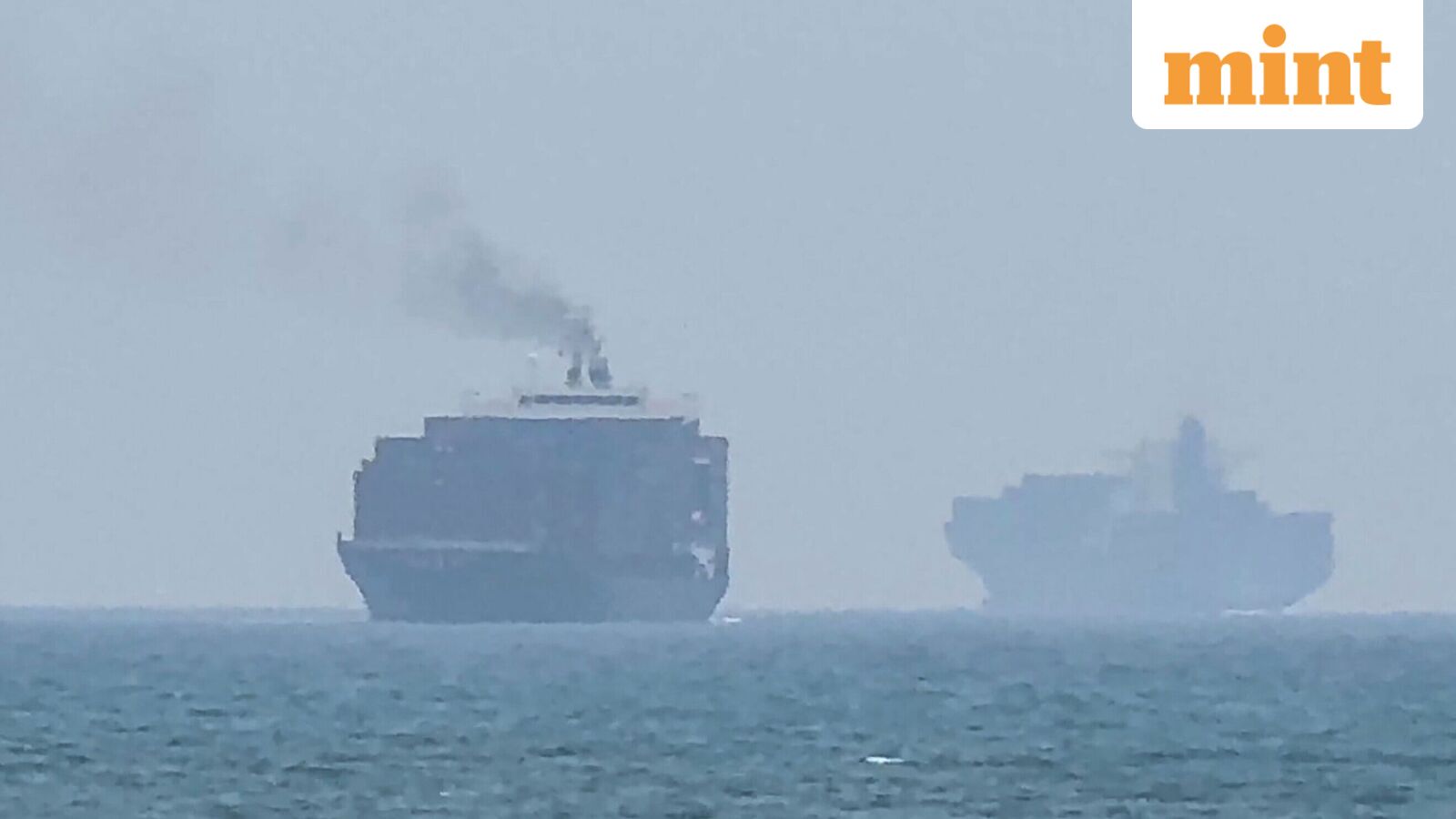
The latest conflict developments followed an Iranian attack on a Cyprus-flagged container ship near the Strait of Hormuz. US officials confirmed that the vessel sustained engine room damage, prompting Oman to rescue 23 crew members. However, one sailor remains missing, and India’s Ministry of External Affairs identified the individual as an Indian national. This incident highlights the spiraling US-Iran conflict’s reach beyond military targets, affecting commercial shipping and international trade.
“The attack on the container ship underscores the heightened risks for maritime operations in the region, as the spiraling US-Iran conflict intensifies.” – UK Maritime Trade Operations
Global Concerns Rise Over Regional Stability
As the spiraling US-Iran conflict continues, concerns over regional stability have grown. The escalating tensions have prompted diplomatic efforts to prevent a broader war, with Oman, Qatar, Pakistan, and Egypt acting as mediators. Despite this, the conflict has disrupted normal operations in the Gulf, with both sides deploying additional forces and increasing their military activities. The international community watches closely, aware that the conflict could have far-reaching implications for global security and energy markets.