Trump plans to redirect frozen Iranian assets toward Gulf ally rebuilding as truce talks stall over $24 billion
Trump Redirects Frozen Iranian Assets to Gulf Allies Amid Truce Talks Stalled Over $24 Billion Redirecting Funds for Regional Stability Theindiapostdaily.com – The Trump administration has announced plans to redirect…
Trump Redirects Frozen Iranian Assets to Gulf Allies Amid Truce Talks Stalled Over $24 Billion
Redirecting Funds for Regional Stability
Theindiapostdaily.com – The Trump administration has announced plans to redirect frozen Iranian financial assets toward the rebuilding of Gulf allies, a move intended to bolster U.S. strategic partnerships as truce negotiations between Washington and Tehran hit a roadblock. This initiative underscores the administration’s determination to leverage the $24 billion in seized funds to support allies in the Persian Gulf, who have faced significant damage from Iranian retaliatory actions and regional conflicts. The strategy reflects a broader effort to ensure that the U.S. retains influence over Iran’s economic and political decisions, even as talks to extend a temporary ceasefire stall.
According to a senior administration official, the Treasury Department is utilizing its full arsenal of financial tools to facilitate the transfer of Iranian assets to Gulf nations. This approach aims to provide a direct economic aid channel, separate from earlier discussions about releasing funds as part of broader diplomatic agreements. The official emphasized that the redirection could help Gulf allies recover from infrastructure losses and rebuild critical facilities, potentially reducing their reliance on U.S. military support while strengthening economic ties.
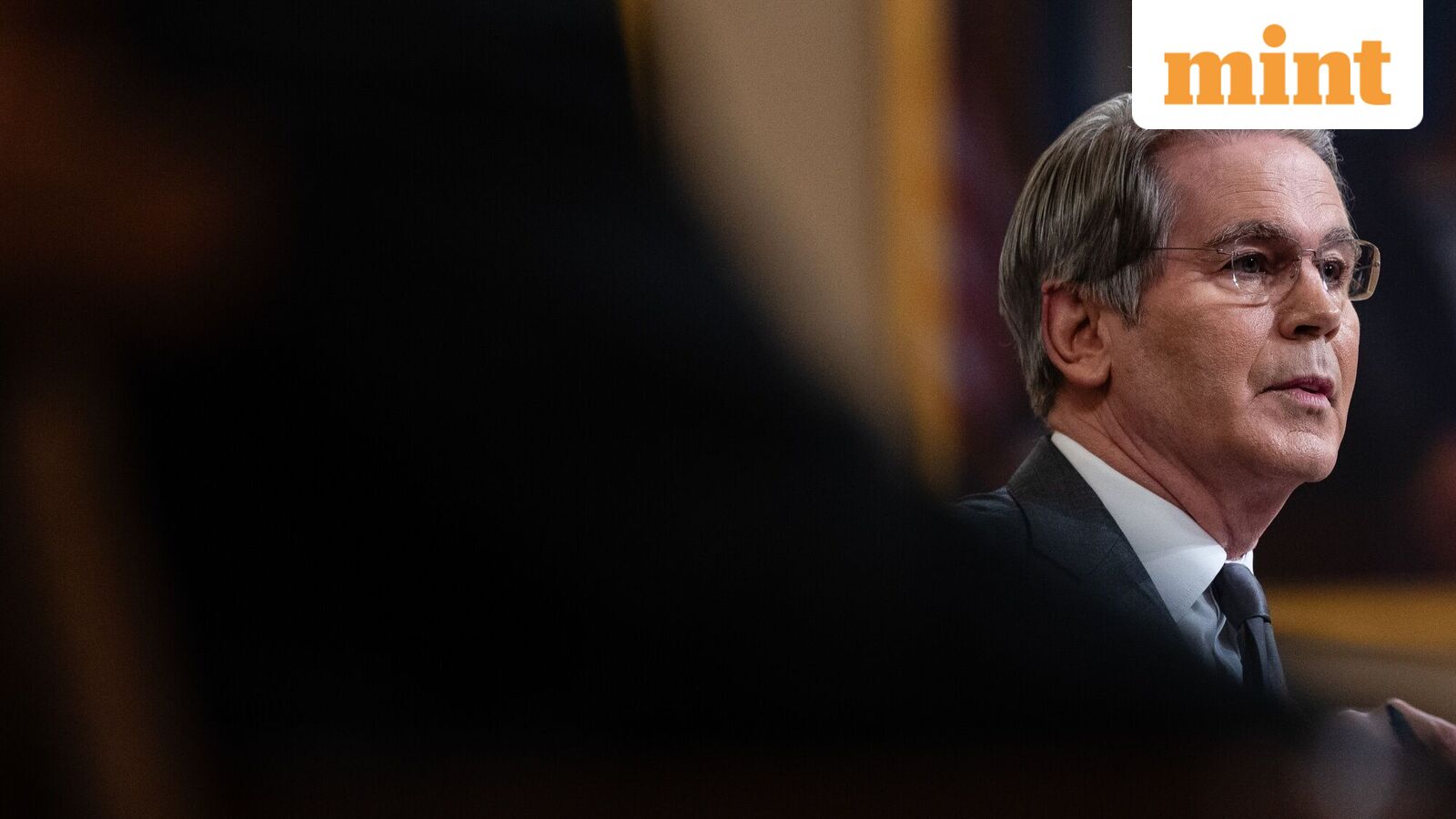
“Treasury Secretary Scott Bessent has directed his team to assess the financial needs of U.S. allies in the region and prioritize allocations that align with long-term stability goals,” the official stated. This statement highlights the strategic rationale behind the asset redirection, which goes beyond immediate recovery efforts to address long-term security and economic challenges in the Gulf.
Truce Talks and the $24 Billion Stalemate
Truce negotiations between the U.S. and Iran have been stalled for months, with Tehran insisting on the release of approximately $24 billion in frozen assets as a prerequisite for any agreement. The demand centers on Iran’s right to access funds held in U.S. accounts, which it claims were seized unfairly during the 2018 withdrawal from the Joint Comprehensive Plan of Action (JCPOA). The lack of progress in these talks has raised concerns about the potential for renewed hostilities in the Middle East, particularly given the heightened tensions following recent attacks on Gulf oil infrastructure.
Analysts suggest that the $24 billion figure represents a critical sticking point in the negotiations, as Iran seeks to offset economic losses from U.S. sanctions and assert its leverage in regional disputes. Meanwhile, the U.S. has argued that the funds should be used to compensate Gulf allies for damages inflicted by Iranian-backed groups, including attacks on Saudi Arabia and the United Arab Emirates. This divergence in priorities has left the truce talks in limbo, with the redirect plan serving as an alternative strategy to stabilize the region’s economic and political landscape.
Historical Context and Regional Impact
The redirection of Iranian assets builds on a history of U.S. financial sanctions against Tehran, which have frozen billions of dollars in assets since 2018. These measures were designed to pressure Iran into renegotiating the JCPOA, but they have also disrupted Iran’s access to global financial markets. The Gulf allies, particularly Saudi Arabia and the UAE, have been vocal about their desire to use these funds for reconstruction, citing the need to restore infrastructure damaged by Iranian attacks and secure long-term energy stability.
Recent strikes by Iran and its proxies on oil facilities in Saudi Arabia and the UAE have underscored the urgency of the rebuild effort. Analysts note that the redirection of assets could serve as both a financial and symbolic gesture, reinforcing U.S. commitment to its allies while also pressuring Iran to demonstrate flexibility in negotiations. The plan also highlights the growing interdependence between the U.S. and Gulf states in managing regional security and economic challenges, even as Iranian leaders continue to push for their own interests.
Trump’s Strategic Leverage
President Donald Trump has positioned the asset redirection as a key component of his strategy to maintain U.S. influence over Iran. By allocating the funds to Gulf allies, the administration seeks to create a direct financial link between Iran’s assets and the security needs of its regional partners. This approach allows the U.S. to ensure that any financial exchange with Iran is tied to strategic objectives, such as deterring further attacks on U.S. interests and reinforcing alliances in the face of growing Iranian assertiveness.
Trump’s administration has also criticized the previous Obama-era approach to Iran, arguing that releasing the $24 billion without securing concessions would weaken the U.S. position. The redirect plan is seen as a way to keep the leverage intact, ensuring that Iran cannot simply reclaim its assets without addressing the concerns of its Gulf allies. This strategy aligns with Trump’s broader vision of using economic pressure as a diplomatic tool, even in the absence of a formal truce agreement.
Implications for the Iran Nuclear Deal
The redirection of Iranian assets has broader implications for the ongoing negotiations of the Iran nuclear deal. While the $24 billion freeze remains a central issue, the administration’s focus on using the funds for regional rebuilding may shift the conversation from the JCPOA to immediate economic and security concerns. This could complicate efforts to revive the deal, as Iran may resist releasing the assets unless it is granted more concessions in the nuclear negotiations.
However, the redirect plan also offers a potential compromise: by channeling funds to Gulf allies, the U.S. could satisfy their demands for compensation while keeping the $24 billion in Iranian assets under its control. This duality has sparked debate among policymakers, with some arguing that the plan balances immediate needs with long-term strategic goals, while others warn that it may prolong the stalemate and deepen divisions between the U.S. and Iran.
Regional Reactions and Global Diplomacy
Gulf allies have welcomed the redirection of Iranian assets as a timely and pragmatic solution to their recovery challenges. Saudi Arabia, the UAE, and Bahrain have repeatedly called for the U.S. to assist in repairing infrastructure damaged by Iranian attacks, and the new initiative is seen as a direct response to those requests. However, the move has also drawn criticism from some European allies, who view the redirection as an attempt to bypass the JCPOA and impose unilateral sanctions on Iran.
Meanwhile, the broader Middle East remains on edge, with the potential for renewed conflict looming as truce talks falter. The redirection of assets could serve as a stabilizing force, providing Gulf nations with the resources needed to strengthen their defenses and economic resilience. Yet, the $24 billion issue continues to be a flashpoint, with analysts warning that unresolved tensions could lead to further escalations in the region’s volatile geopolitical landscape.