Trump drops 20% Strait of Hormuz toll plan within 24 hours, opts for Gulf trade deals: ‘I have decided to replace…’
Trump Drops 20% Hormuz Toll Plan, Opting for Gulf Trade Deals Theindiapostdaily.com – President Donald Trump announced a significant policy shift within 24 hours of proposing a 20% toll on…
Trump Drops 20% Hormuz Toll Plan, Opting for Gulf Trade Deals
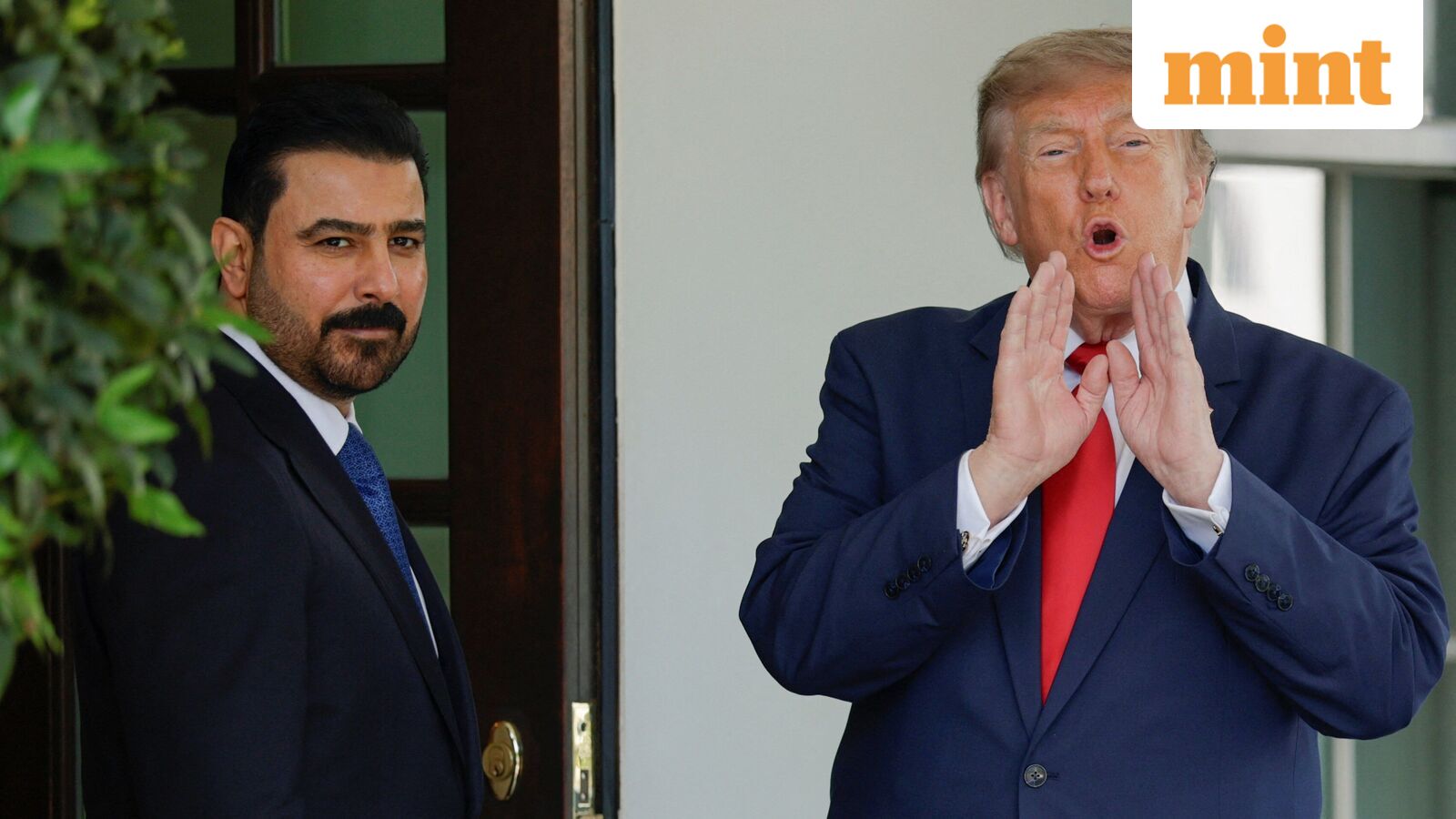
Theindiapostdaily.com – President Donald Trump announced a significant policy shift within 24 hours of proposing a 20% toll on vessels passing through the Strait of Hormuz, replacing the controversial fee with trade and investment agreements between Gulf nations and the United States. The decision, made ahead of a critical meeting with Iraq’s prime minister, underscores Trump’s efforts to reorient U.S. strategy in the region toward economic diplomacy rather than direct maritime charges. This move has sparked debate about the implications for regional security and global energy markets.
The 20% Hormuz Toll: A Strategic Shift
The 20% Strait of Hormuz toll plan had initially been framed as a way to offset the costs of protecting the vital waterway, which is a key route for global oil shipments. Trump argued that the fee would generate revenue to support U.S. military presence and counter threats from Iran. However, the plan faced immediate criticism, with some officials questioning its legality and others expressing concern over its potential to strain relations with Gulf countries.
“Based on highly productive conversations with Middle East leadership, I have decided to replace the 20% United States Reimbursement Fee with Trade and Investment Deals that the various Gulf States will be making into the United States,” Trump stated on Truth Social.
The president emphasized that the new agreements would not only secure financial benefits but also strengthen political ties, ensuring long-term cooperation between the U.S. and Gulf nations.
Legal Challenges and Market Uncertainty
Senior U.S. officials had previously raised doubts about the legality of the toll, arguing that international waterways like the Strait of Hormuz should remain toll-free under existing maritime law. Secretary of State Marco Rubio noted that the U.S. had no authority to unilaterally impose such fees, stating, “No country is allowed to charge tolls or fees on an international waterway. That’s existing international law.” Vice President JD Vance echoed this sentiment, stressing that the policy could have been seen as an overreach.
The abrupt reversal of the 20% Hormuz toll plan has left oil markets in flux. Analysts speculated that the decision might alleviate concerns about disruptions in the region’s energy supply, but the uncertainty surrounding the new trade deals has kept investors cautious. Meanwhile, Gulf countries have expressed mixed reactions, with some praising the flexibility while others remain wary of future U.S. demands.
Economic Reforms and Regional Alliances
Trump’s emphasis on trade and investment deals reflects a broader strategy to boost economic ties with the Gulf region. He claimed these pacts would bring “massive” investments to the U.S., including factories, plants, and infrastructure projects, creating “historic levels” of American jobs. The 20% Hormuz toll plan was part of a larger vision to leverage economic leverage against Iran, but the policy change signals a shift toward more collaborative, less confrontational approaches.
Under the new framework, the U.S. aims to secure long-term commitments from Gulf nations, particularly Saudi Arabia, the United Arab Emirates, and Oman. These countries have been key partners in regional security initiatives, and Trump believes strengthening economic bonds will reinforce their reliance on Washington. The plan also aligns with his administration’s focus on revitalizing U.S. manufacturing and energy sectors through foreign partnerships.
Geopolitical Implications and Iran’s Response
The decision to drop the 20% Hormuz toll plan has broader geopolitical implications. By prioritizing trade deals over unilateral tariffs, Trump seeks to maintain a cooperative stance with Gulf nations, which have been central to the U.S. strategy in the Middle East. However, the move also signals a willingness to accommodate Iran’s position on the strait’s neutrality, at least temporarily. Iranian officials have welcomed the change, suggesting it could pave the way for renewed dialogue on regional security and economic cooperation.
Despite this, Trump has not abandoned his hardline stance on Iran entirely. He reiterated that ships linked to Iranian ports or carrying Iranian goods would still face a full blockade, ensuring the strait remains open to non-Iranian vessels. This dual approach—economic incentives for allies and military pressure on adversaries—aims to balance strategic interests while avoiding a direct confrontation over the strait’s control.
Long-Term Impact on U.S.-Gulf Relations
The shift from the 20% Hormuz toll to trade deals highlights a strategic recalibration in U.S.-Gulf relations. While the initial toll plan was seen as a potential tool for exerting influence, the new agreements are designed to foster mutual economic benefits. This change is likely to deepen collaboration between the U.S. and Gulf nations, particularly in energy, technology, and infrastructure sectors.
Analysts suggest that the 20% Hormuz toll plan was a temporary measure to signal U.S. commitment to the region, but the policy change demonstrates a more sustainable approach to maintaining influence. By linking security assurances with economic opportunities, Trump aims to solidify support for the U.S. among Gulf states, ensuring their alignment with Washington’s broader geopolitical goals.
The 20% Hormuz toll plan, though abandoned, had sparked discussions about the future of maritime tariffs in international trade. Its replacement with trade deals reflects a growing trend of using economic partnerships as a means of geopolitical leverage, a strategy that may shape U.S. foreign policy in the coming years. As the administration moves forward, the success of these agreements will be closely watched, with their potential to redefine the balance of power in the Gulf region.