‘They try to divide people’: Singapore orders social media sites to block content targeting Indian community
In a move to safeguard national unity, Singapore has directed major social media platforms to restrict access to
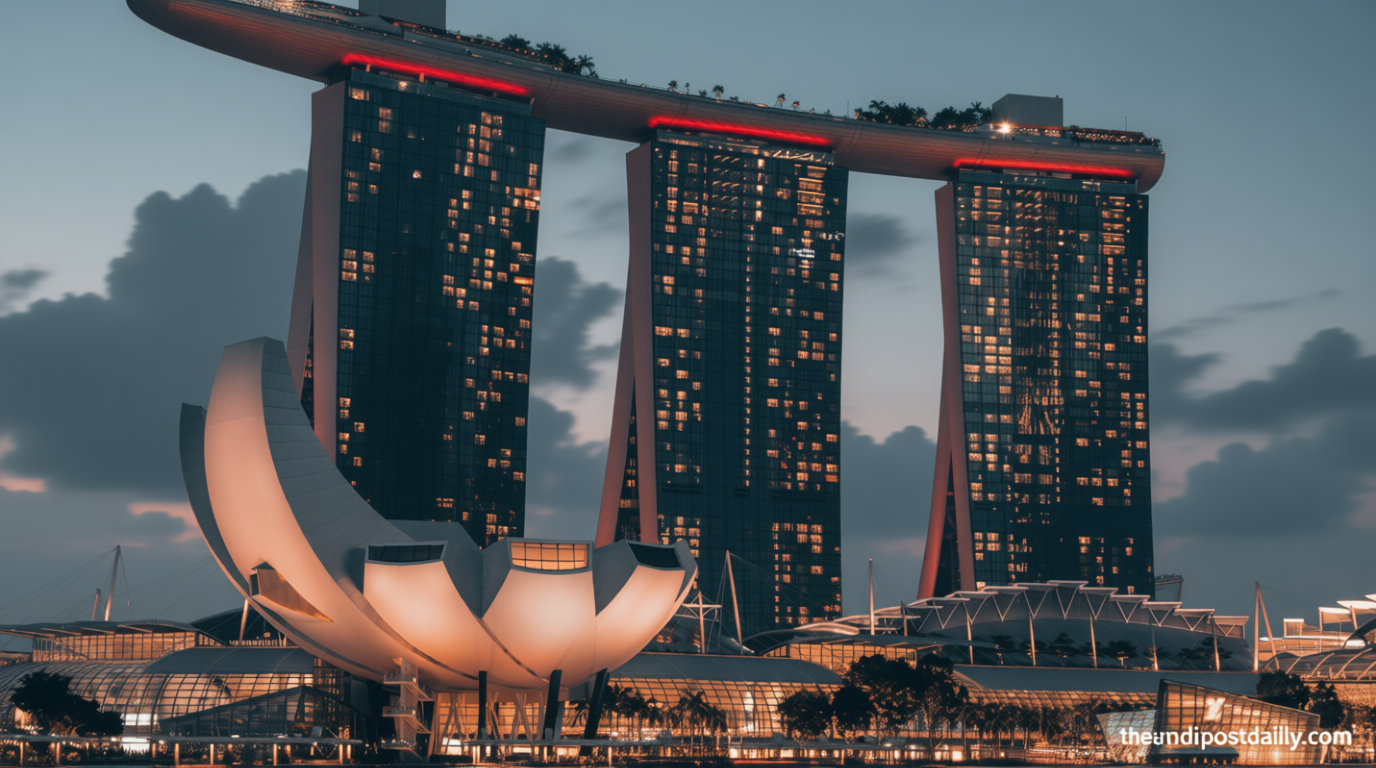
Singapore Orders Social Media to Block Racial Targeting Content
Theindiapostdaily.com – In a move to safeguard national unity, Singapore has directed major social media platforms to restrict access to content that aims to divide the Indian community. The directive, issued by the Ministry of Home Affairs (MHA), specifically targets posts that promote racial prejudice or threaten social cohesion. “They try to divide people based on ethnicity,” stated Edwin Tong, Singapore’s Second Minister for Home Affairs, during a press briefing. The order mandates platforms to “disable access by Singapore users to these posts” under the Online Criminal Harms Act (OCHA), which empowers authorities to act against divisive online material.
Origin and Spread of the Controversial Content
According to Channel News Asia, a state-owned news outlet, the targeted content originated from Chinese-based platforms before being shared on international social media networks. The posts began circulating in May, fueled by narratives that portray Singapore’s cultural identity as being threatened by the Indian community. These claims often highlight stereotypes about population growth and cultural assimilation, aiming to stoke tensions among Singaporeans. The MHA noted that the content was strategically distributed to amplify its impact within local communities.
“They try to divide people by suggesting that the Indian community is altering Singapore’s cultural fabric,” said a MHA spokesperson. The ministry emphasized that the posts, while originating overseas, are now being actively shared by Singapore users, making them a direct threat to national harmony. This action underscores the government’s proactive stance in addressing online content that could fuel ethnic discord, even if it begins outside the country’s borders.
Legal Framework and Social Impact
The Online Criminal Harms Act (OCHA) serves as the legal foundation for this directive, enabling authorities to combat online content that promotes racial enmity or harms social harmony. Under Section 298A of the Penal Code, individuals or entities spreading divisive material can face penalties of up to three years in prison or a substantial fine. The MHA’s decision to block these posts reflects its commitment to preserving Singapore’s reputation as a multiracial and multicultural society.
“These videos attack our multiracial society and they try to divide people based on race,” reiterated Edwin Tong. He added that the content undermines the shared values that define Singapore’s social fabric. By removing such posts, the government aims to prevent the spread of inflammatory narratives that could incite prejudice or weaken trust among different ethnic groups. This effort aligns with broader initiatives to maintain racial harmony, which have been a cornerstone of Singapore’s policies since its independence.
Indian Community’s Role in Singapore’s Development
The Indian community in Singapore has long been a vital part of the nation’s demographic and cultural landscape. As the third-largest ethnic group, they contribute significantly to the country’s economy, education, and healthcare sectors. Despite comprising less than 10% of the population, Indians have held key positions in Singapore’s governance, including three of the nine former presidents. The current president, Tharman Shanmugaratnam, is of Indian descent, continuing a legacy of community leadership that dates back decades.
India’s diaspora in Singapore also plays a crucial role in fostering cross-cultural exchanges. The community is deeply involved in preserving Tamil language and traditions, which are widely spoken alongside English, Malay, and Mandarin. Their influence extends beyond politics, as they actively participate in social initiatives and cultural events that celebrate Singapore’s diversity. The MHA’s action to block targeting content is seen as a recognition of the Indian community’s importance in maintaining the nation’s social equilibrium.
Public reactions to the directive have been mixed, with some praising the government’s efforts to curb divisive rhetoric and others expressing concerns about free speech. Critics argue that the measure could be perceived as a way to suppress dissent or limit the Indian community’s ability to express its own narratives. However, proponents believe that the action is necessary to prevent the spread of harmful content that could destabilize the delicate balance of Singapore’s multiracial society. The MHA maintains that the directive is a targeted response to specific posts, not an overreach into everyday discourse.