‘Petrol at PKR 380 per litre, inflation unbearable’: Pakistan stares at economic crisis amid US-Iran tensions
‘Petrol at PKR 380 per litre, inflation unbearable’: Pakistan stares at economic crisis amid US-Iran tensions Petrol at PKR 380 per litre - Amid the ongoing
‘Petrol at PKR 380 per litre, inflation unbearable’: Pakistan stares at economic crisis amid US-Iran tensions
Theindiapostdaily.com – Amid the ongoing deadlock between the United States and Iran, Pakistan finds itself at a crossroads, grappling with a deepening economic crisis. The nation, once seen as a key mediator in the talks, now faces mounting pressure as fuel prices soar and inflation erodes the purchasing power of its citizens. Reports from the news agency ANI highlight the growing anxiety in Islamabad, where residents are struggling to cope with escalating costs and dwindling resources.
Escalating Fuel Costs and Daily Strain
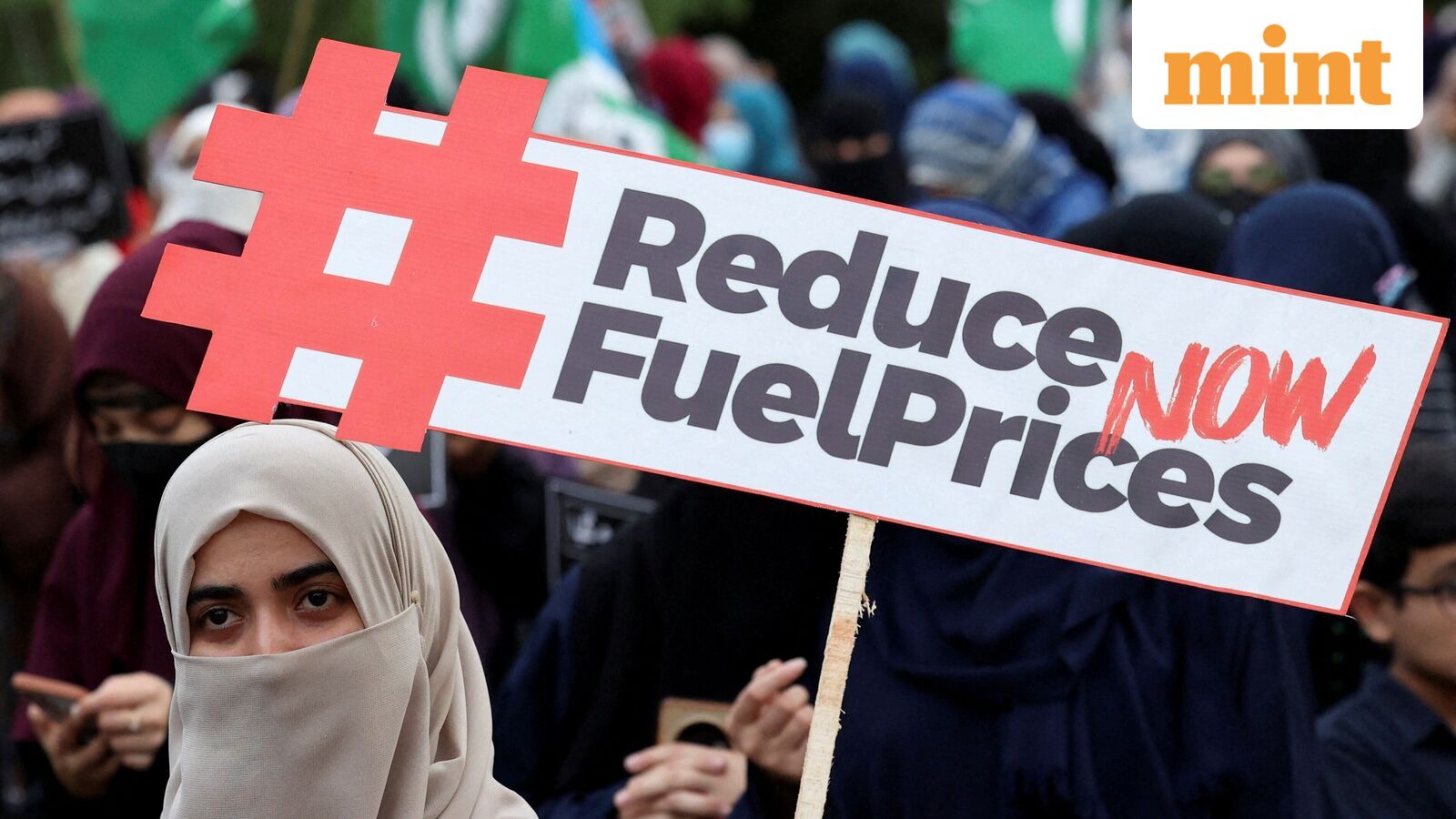
Residents in the capital city have voiced concerns over the steep increase in fuel prices, which have reached an alarming level of PKR 380 per litre for petrol and PKR 381 for diesel. These figures, as noted by local media, reflect the severity of the situation, with many ordinary Pakistanis unable to afford basic transportation or essential goods. One individual shared how the financial strain has forced him to park his car for over a month, as the cost of fuel has become prohibitive. Even maintaining a motorcycle, a more affordable option for some, is now a challenge.
“Salaries have not kept pace with the relentless rise in prices, leaving survival a near impossibility,” he stated, underscoring the profound impact of inflation on daily life.
Experts warn that the rising fuel prices are not isolated to the transport sector. They cascade into other areas, such as food and utilities, compounding the hardship for low-income families and salaried workers. The cost of public transport, for instance, has surged, making commuting more expensive and reducing access to services for the less affluent. This economic burden is further exacerbated by the lack of stability in the region, as tensions between the US and Iran create uncertainty that affects global markets and, consequently, domestic prices.
Geopolitical Rivalries and Regional Instability
The US-Iran conflict, which has seen periodic military actions and missile strikes, is being viewed by some as a catalyst for broader instability in the region. Pakistan’s role as a mediator has not only been challenged but also overshadowed by the ongoing hostilities. Locals argue that these actions disrupt diplomatic efforts and prolong economic pressures, with the country now bearing the brunt of regional volatility. The inability to resolve the dispute has left Pakistan in a precarious position, forcing it to navigate both internal challenges and external pressures.
According to the newspaper Dawn, a significant price adjustment occurred on May 29, when petrol and diesel prices were reduced by PKR 22 per litre. At that time, diesel was priced at approximately PKR 380 per litre, while petrol stood at PKR 381 per litre. However, despite this temporary relief, the current exchange rate of 1INR = 2.94 PKR means that the cost of fuel remains a major concern for the general population. Many feel that the price cuts are insufficient to alleviate the overall economic strain, which continues to worsen.
Blaming External Forces for Stagnation
Residents are not only critiquing the immediate effects of rising fuel prices but also attributing the prolonged economic crisis to geopolitical rivalries and external interference. They claim that the deadlock in US-Iran negotiations has been worsened by the involvement of other global powers, creating a ripple effect on Pakistan’s economy. The country, which has historically played a pivotal role in regional diplomacy, now finds itself caught in a web of conflicting interests.
Some argue that the frequent military actions and missile strikes have weakened diplomatic channels, making it harder to secure favorable terms in trade or investment. This, in turn, has led to higher import costs and a depreciation of the local currency. The situation is compounded by the government’s reliance on foreign aid and its struggle to implement effective economic reforms. As a result, inflation continues to climb, pushing millions closer to the brink of financial hardship.
The call for peace has become increasingly urgent among Islamabad’s citizens. Many believe that an end to hostilities between the US and Iran is essential to stabilizing fuel prices and curbing inflation. They emphasize that the current crisis is not just about economics but also about the future of regional cooperation and security. If negotiations continue to stall, the consequences for Pakistan could be severe, with potential disruptions to energy supplies and a further erosion of public trust in the government.
A Broader Economic Picture
While the focus is on fuel prices, the broader economic picture in Pakistan reveals a pattern of systemic challenges. The country has been dealing with a balance of payments crisis, currency depreciation, and rising debt levels for years. These issues, combined with the recent surge in oil prices, have created a perfect storm for ordinary citizens. Even as the government implements austerity measures, the impact on the population remains stark.
Analysts suggest that the economic strain is also tied to the country’s reliance on imported energy and the fluctuating global oil market. With the US and Iran tensions affecting supply chains and trade agreements, Pakistan’s ability to secure affordable fuel imports has been compromised. This has led to a cycle of inflation, where increased costs for fuel drive up prices for everything else, from groceries to housing.
Despite the challenges, some hope that the recent price cuts will provide a temporary reprieve. However, residents stress that the root causes of the crisis—such as geopolitical instability and economic mismanagement—must be addressed to prevent further deterioration. The situation serves as a reminder of how interconnected global events can be to a nation’s domestic economy, highlighting the need for Pakistan to assert its position in international negotiations.
As the country braces for the future, the voices of its citizens echo a shared sentiment: the economic crisis is not just a passing inconvenience but a deepening crisis that demands immediate attention. With the US-Iran tensions continuing to cast a long shadow, Pakistan’s path forward remains uncertain, and its people are left to navigate a world where survival itself has become a battle against rising costs.
Residents in Islamabad are not alone in their concerns. Across the nation, similar stories are emerging, with families forced to cut back on essential expenses and businesses struggling to maintain operations. The urgency for a resolution has never been higher, as the economic situation threatens to spiral out of control. The hope is that prioritizing negotiations will bring stability, but time is running out for those who are already feeling the weight of the crisis.