Iran’s post-war Hormuz fee plan gets Oman’s support despite US objection, says report
Iran's Post-War Hormuz Fee Plan Gains Oman's Support Despite US Objections Theindiapostdaily.com – Iran's post-war Hormuz fee plan, which seeks to impose charges on ships passing through the Strait of…
Iran’s Post-War Hormuz Fee Plan Gains Oman’s Support Despite US Objections
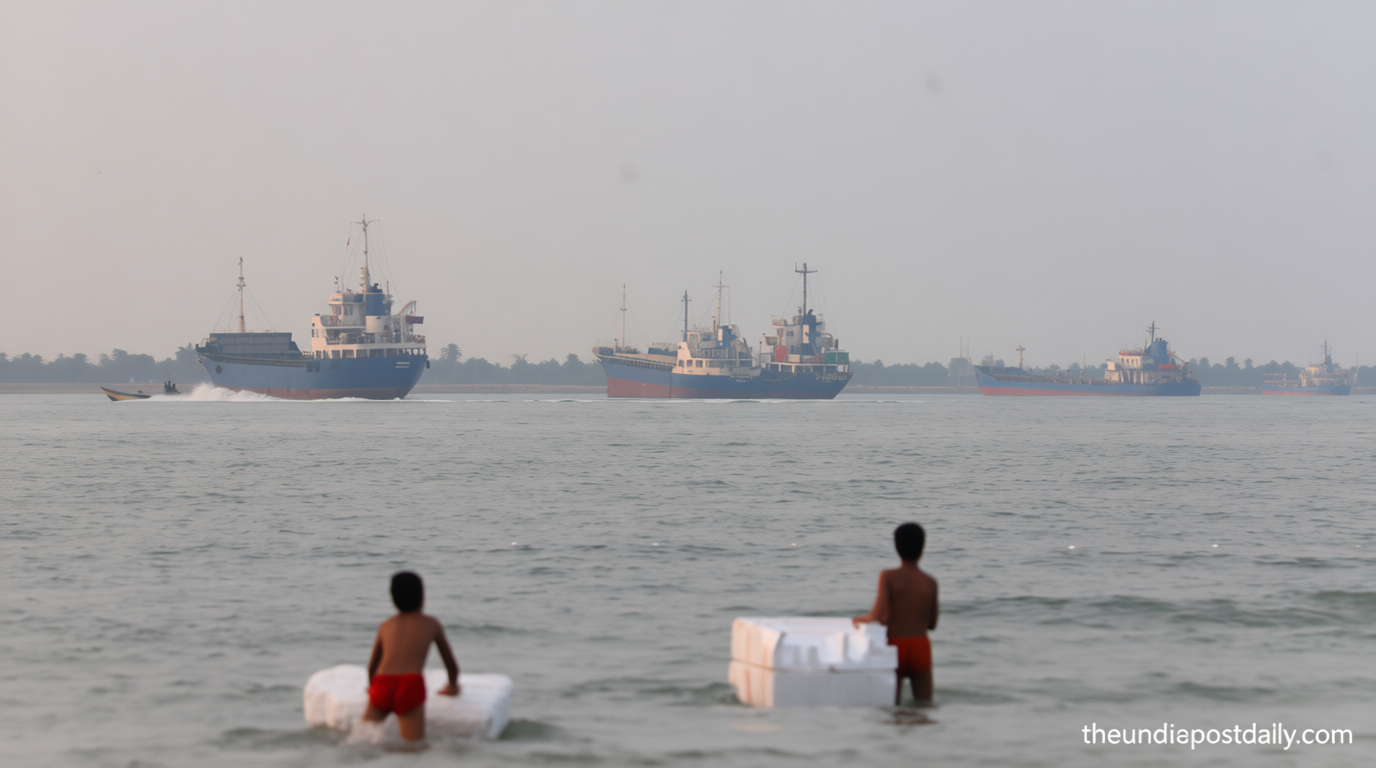
Theindiapostdaily.com – Iran’s post-war Hormuz fee plan, which seeks to impose charges on ships passing through the Strait of Hormuz, has received backing from Oman despite U.S. resistance. According to a report by the New York Times, the initiative was endorsed by Oman as a potential solution to stabilize maritime trade in the region. The plan, initially proposed by Iran, aims to generate revenue while ensuring continued access to the vital waterway, which is crucial for global energy supplies.
The Strategic Importance of the Strait of Hormuz
Strategically, the Strait of Hormuz is a linchpin of international trade, facilitating the movement of approximately 20 million barrels of oil per day. This volume represents around 20% of the world’s total oil shipments, making the strait a focal point for economic stability. The proposal to implement a service fee system for vessels traversing the strait was introduced during a period of heightened tensions, following Iran’s attacks on oil tankers and the U.S. blockade in the Persian Gulf. The initiative is designed to maintain commercial activity while introducing a financial mechanism to support regional infrastructure.
Fee Structure and Regional Collaboration
Oman’s support for the plan underscores its role in mediating between Iran and the U.S. The fee system would involve shipping companies paying a portion of their costs for the safe passage of vessels through the strait. While the U.S. has raised concerns about the economic implications, the proposal appears to be a collaborative effort among Omani and Iranian officials. A regional diplomat emphasized that the fees would be voluntary, creating a balance between economic incentives and political pressures.
U.S. Concerns and Geopolitical Tensions
Despite Oman’s endorsement, the U.S. remains wary of the plan. Secretary of State Marco Rubio has highlighted the need to preserve the strait as a free passage route, stating, “We need to get back to what the straits looked like before this conflict.” This sentiment reflects Washington’s apprehension that imposing fees could create additional barriers to trade and potentially embolden Iran to assert more control over the region. The U.S. is pushing for negotiations to ensure that the strait remains accessible without financial restrictions, emphasizing its role as a critical artery for global energy security.
The proposal has sparked discussions among international stakeholders, including other Western nations. While the U.S. and its allies are cautious, the plan aligns with Iran’s post-war strategy to regain economic leverage. The temporary peace framework, which allowed free passage through the strait for 60 days, provided a window for diplomatic dialogue. However, the persistence of geopolitical tensions means that the fee plan could become a long-term solution, shaping the future of maritime trade in the region.
Iran’s Deputy Foreign Minister, Kazem Gharibabadi, has reiterated Tehran’s commitment to collaboration, stating that the proposal reflects a shared vision for stabilizing the strait. Nonetheless, Iran has indicated it may proceed unilaterally if a consensus with Oman and the U.S. cannot be reached. This potential for independent action highlights the complexity of the situation, where regional interests intersect with global economic concerns. The plan’s success will depend on the willingness of all parties to compromise and prioritize long-term stability over short-term gains.
Global Implications and Economic Impact
The implementation of Iran’s post-war Hormuz fee plan could have far-reaching consequences for global markets. By introducing a new financial model for maritime trade, the initiative may alter the dynamics of oil pricing and shipping logistics. Analysts suggest that the fees could provide a revenue stream for regional infrastructure projects, including port upgrades and security measures. However, the U.S. and its allies remain concerned that the plan might increase the cost of energy imports, particularly for countries reliant on Persian Gulf oil.
As the proposal moves forward, its impact on international trade routes will be closely monitored. The Strait of Hormuz, already a strategic chokepoint, now faces the added challenge of potential monetization. This development has raised questions about the balance between economic sustainability and geopolitical control. While Oman’s support offers a glimmer of hope for cooperation, the U.S. continues to advocate for maintaining the strait as a neutral and open corridor for global commerce.