Iran-US deal signed: Top 20 countries with cheapest gasoline prices — India sees 7% hike in 3 months, show data
The Iran-US deal signed in 2026 marks a significant shift in international energy markets, with immediate effects
Iran-US Deal Signed: Global Fuel Price Dynamics and India’s Rising Costs
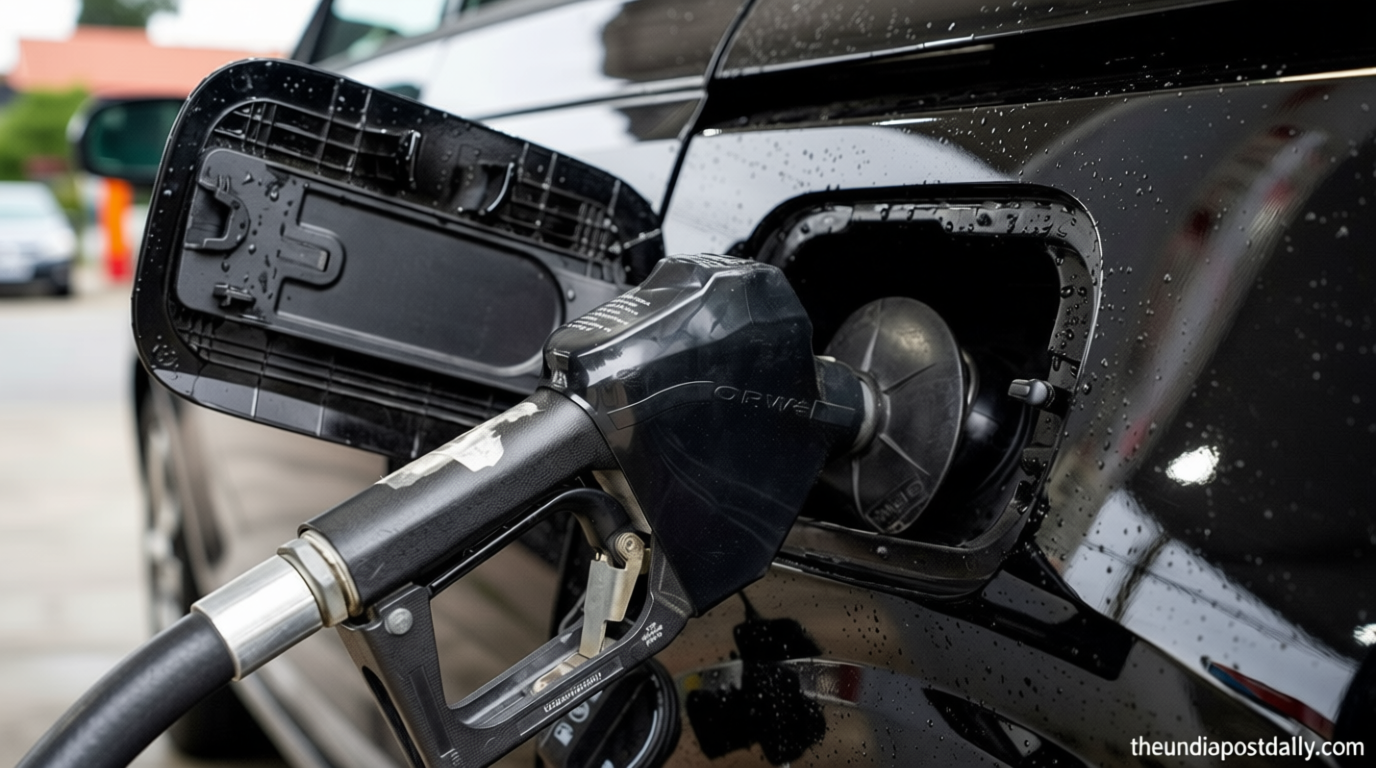
Theindiapostdaily.com – The Iran-US deal signed in 2026 marks a significant shift in international energy markets, with immediate effects on crude oil prices and fuel affordability. As the United States and Iran resumed oil trade under relaxed sanctions, global crude prices experienced a notable decline, influencing fuel costs across multiple countries. This development has created a ripple effect in the energy sector, particularly for nations heavily reliant on oil imports, such as India, which has seen a 7% increase in gasoline prices over three months despite international price drops. The agreement has also sparked renewed discussions about the interplay between geopolitical stability and fuel affordability in the global market.
Impact of the Iran-US Agreement on Fuel Markets
The Iran-US deal signed has not only eased restrictions on Iranian oil exports but also restored confidence in the Strait of Hormuz, a critical oil shipping route. This has led to a surge in global supply, contributing to a decline in crude oil prices. For instance, the US Energy Information Administration (EIA) reported that the average price of crude oil fell by 15% in June 2026, driven by the deal’s stability. However, the influence of this agreement on domestic fuel prices varies by region, as seen in the United States, where average gas prices dropped to $3.999 per gallon—though California’s prices remained higher due to additional state taxes and distribution costs.
While the deal signed may benefit global energy markets, it has not yet translated into immediate price relief for India. As one of the world’s largest oil importers, the country continues to grapple with rising fuel costs, raising questions about how quickly the international price drop will permeate its domestic market. Analysts note that India’s reliance on imported crude, combined with currency fluctuations and domestic policy decisions, plays a key role in determining fuel affordability for its population.
Global Fuel Price Trends and Regional Disparities
As of June 15, 2026, the global average gasoline price stood at $1.51 per litre, according to data from GlobalPetrolPrices.com. This figure reflects a broader trend of fluctuating fuel costs influenced by geopolitical events, supply chain disruptions, and currency exchange rates. Countries with the cheapest gasoline prices, such as Hong Kong, Malawi, Israel, Denmark, and the Netherlands, demonstrate how regional economic policies and energy sources shape fuel affordability. In contrast, nations with higher prices often face challenges like limited refining capacity or import-dependent economies.
India’s situation stands out as a case study in the disconnect between global and domestic fuel price trends. Even though the Iran-US deal signed helped stabilize international crude prices, domestic factors such as the rupee’s depreciation against the dollar and government pricing strategies have kept fuel costs elevated. The Indian government has maintained a cautious approach, balancing the need to support oil marketing companies and shield consumers from abrupt price changes. This strategy has contributed to a 7% rise in gasoline prices since March 16, 2026, while diesel and LPG saw even steeper increases of 8.3% and 11.4%, respectively.
India’s Fuel Price Scenario and Policy Implications
The 7% hike in gasoline prices over three months highlights the complexities of India’s energy market. Despite the Iran-US deal signed, which has the potential to lower global oil prices, domestic adjustments are slower. According to Vaibhav Porwal, Co-founder of Dezerv, the government may delay passing on the full impact of energy price changes to consumers. This allows oil marketing companies to recover from losses incurred during the previous price surge before adjusting rates.
“India’s fuel price dynamics are heavily influenced by the rupee’s performance, government subsidies, and import duties. While the Iran-US deal signed could provide long-term relief, short-term volatility remains a concern for both businesses and households,” remarked Porwal in an interview with Mint.
Top 20 Countries with Cheapest Gasoline Prices
The latest data from GlobalPetrolPrices.com (June 15, 2026) reveals a list of the 20 countries with the most affordable gasoline prices. These include: Hong Kong ($4.103), Malawi ($3.577), Israel ($2.761), Denmark ($2.633), Netherlands ($2.611), Poland ($2.543), Singapore ($2.478), South Africa ($2.422), Thailand ($2.414), Malaysia ($2.382), South Korea ($2.344), Taiwan ($2.299), Philippines ($2.272), Indonesia ($2.235), Bangladesh ($2.158), Sri Lanka ($2.113), Kuwait ($2.047), Qatar ($1.983), UAE ($1.934), and Oman ($1.886). This ranking underscores the role of government subsidies, local refining capabilities, and regional economic conditions in shaping fuel affordability.
Comparing these figures with India’s average gasoline price of $1.62 per litre, it’s clear that the country is not among the most affordable in the global rankings. While the Iran-US deal signed could lower the global average, India’s domestic policies and external economic pressures continue to drive prices higher. This discrepancy has prompted calls for a more proactive approach to align fuel costs with international trends, ensuring affordability for millions of consumers.
Future Outlook for Fuel Prices
Experts predict that the Iran-US deal signed may lead to gradual stabilization in global fuel prices over the coming months. However, India’s market will likely remain volatile, especially as it navigates the dual challenges of currency depreciation and domestic oil company profits. The government’s decision to retain current prices for oil marketing companies could extend the period of price increases, affecting both urban and rural populations.
With the global average gasoline price at $1.51 per litre, the Iranian-US deal signed provides a benchmark for other countries to consider. While nations like the Netherlands and Denmark benefit from low prices, countries such as India face the burden of higher costs. The long-term impact of this deal will depend on its ability to sustain stable oil exports and influence the broader energy market, potentially offering relief to consumers in the next 6–12 months.