Giovanni Castellucci, former head of Autostrade per l’Italia, gets 12 years for Genoa bridge collapse that killed 43
Giovanni Castellucci Gets 12 Years for Genoa Bridge Collapse Theindiapostdaily.com – Giovanni Castellucci, former head of Autostrade per l'Italia, was recently sentenced to 12 years in prison for his role…
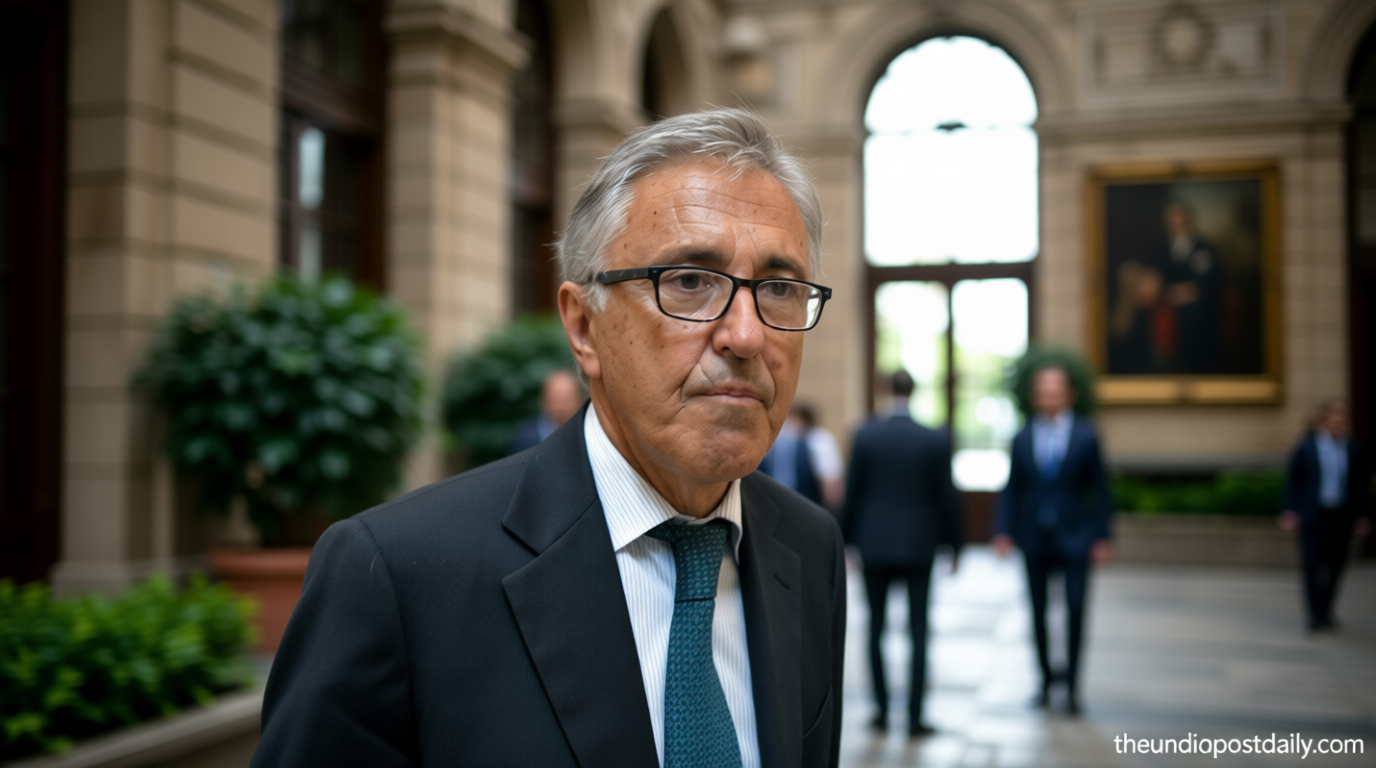
Giovanni Castellucci Gets 12 Years for Genoa Bridge Collapse
Theindiapostdaily.com – Giovanni Castellucci, former head of Autostrade per l’Italia, was recently sentenced to 12 years in prison for his role in the 2018 Genoa bridge disaster that left 43 people dead. The collapse of the Morandi bridge, which spanned the Gulf of Genoa, occurred during a summer storm, causing a section of the structure to fall and trapping vehicles in a catastrophic event that shook Italy’s infrastructure and legal systems.
Legal Proceedings and Conviction Details
Castellucci, who once led Autostrade per l’Italia, was one of 57 individuals charged in the case. After a lengthy trial, 32 defendants were found guilty, with sentences ranging from 1 to 11 years. The remaining 25 received acquittals or were cleared due to the statute of limitations. The verdict, delivered by Judge Paolo Lepri, was met with mixed reactions from the 400 attendees, including family members of the victims and legal representatives.
Castellucci, who also served as CEO of Atlantia—the parent company of Autostrade per l’Italia—was convicted of negligence-related complicity in multiple manslaughter charges. Prosecutors argued that years of insufficient maintenance, overlooked safety alerts, and delayed repairs directly contributed to the tragedy. They emphasized that the company had prioritized profit over structural integrity, leading to a critical failure in the ninth stay cable of the bridge.
Structural Failures and Maintenance Concerns
The Morandi bridge, constructed in 1967 and over 50 years old at the time of the collapse, had long been flagged for aging infrastructure. Despite repeated warnings, the maintenance plan was allegedly not fully implemented. Castellucci, as a former head of Autostrade per l’Italia, was at the center of these allegations, which highlighted the negligence of the company’s management. The ninth stay cable, which broke during the storm, was a key point of contention in the case.
“The collapse was the result of a combination of factors, including years of inadequate upkeep and a failure to act on clear warnings,” stated a spokesperson for the prosecution. This section of the bridge, which was part of a larger network managed by Autostrade per l’Italia, had been inspected multiple times, yet critical issues were ignored. The legal proceedings underscored the need for accountability in infrastructure management, particularly in high-risk areas.
Critics have pointed to the collapse as a symbol of systemic failures in Italy’s transportation sector. The former head of Autostrade per l’Italia, Castellucci, faced intense scrutiny for his decisions that led to the disaster. The case has also sparked debates about the role of corporate leadership in ensuring public safety, with some arguing that the blame should be shared across multiple layers of management. His conviction serves as a reminder of the consequences of negligence in large-scale infrastructure projects.
Previous Conviction and Legal Context
Castellucci, who had already been sentenced to six years for a 2013 viaduct accident in southern Italy, was absent from the Genoa trial because of his incarceration. His legal team argued that the 12-year sentence for the bridge collapse would weaken efforts to uncover the full truth about the incident. “This conviction is a setback for transparency, as it focuses on a single individual while overlooking the broader organizational failures,” said his attorney, Giovanni Paolo Accinni.
“Criminalizing the chief executive is not the answer. The responsibility lies with the entire management structure,” added Accinni. The defense highlighted that the Morandi bridge’s ninth stay cable had a known defect, which could not have been fully prevented even with a comprehensive maintenance plan. This argument aims to shift the blame from Castellucci to the company’s decision-making processes, emphasizing the complex nature of accountability in such disasters.
Despite the legal arguments, the prosecution maintained that the collapse was preventable. They cited evidence showing that warnings about the bridge’s condition were ignored, and safety measures were delayed for financial reasons. The case has become a focal point for Italian legal reform, with calls to streamline accountability processes and ensure stricter oversight of infrastructure maintenance. Castellucci’s 12-year sentence marks a significant milestone in this ongoing legal and public discourse.