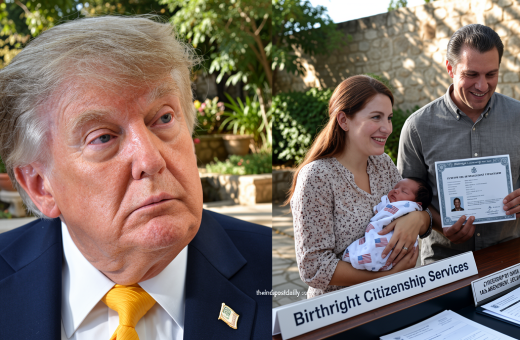
Trump calls Supreme Court birthright citizenship ruling ‘too bad,’ urges Congress to end citizenship by law
Trump Calls Birthright Citizenship Ruling 'Too Bad,' Urges Congress to Act Trump calls Supreme Court birthright citizenship - President Donald Trump
Trump Calls Birthright Citizenship Ruling ‘Too Bad,’ Urges Congress to Act
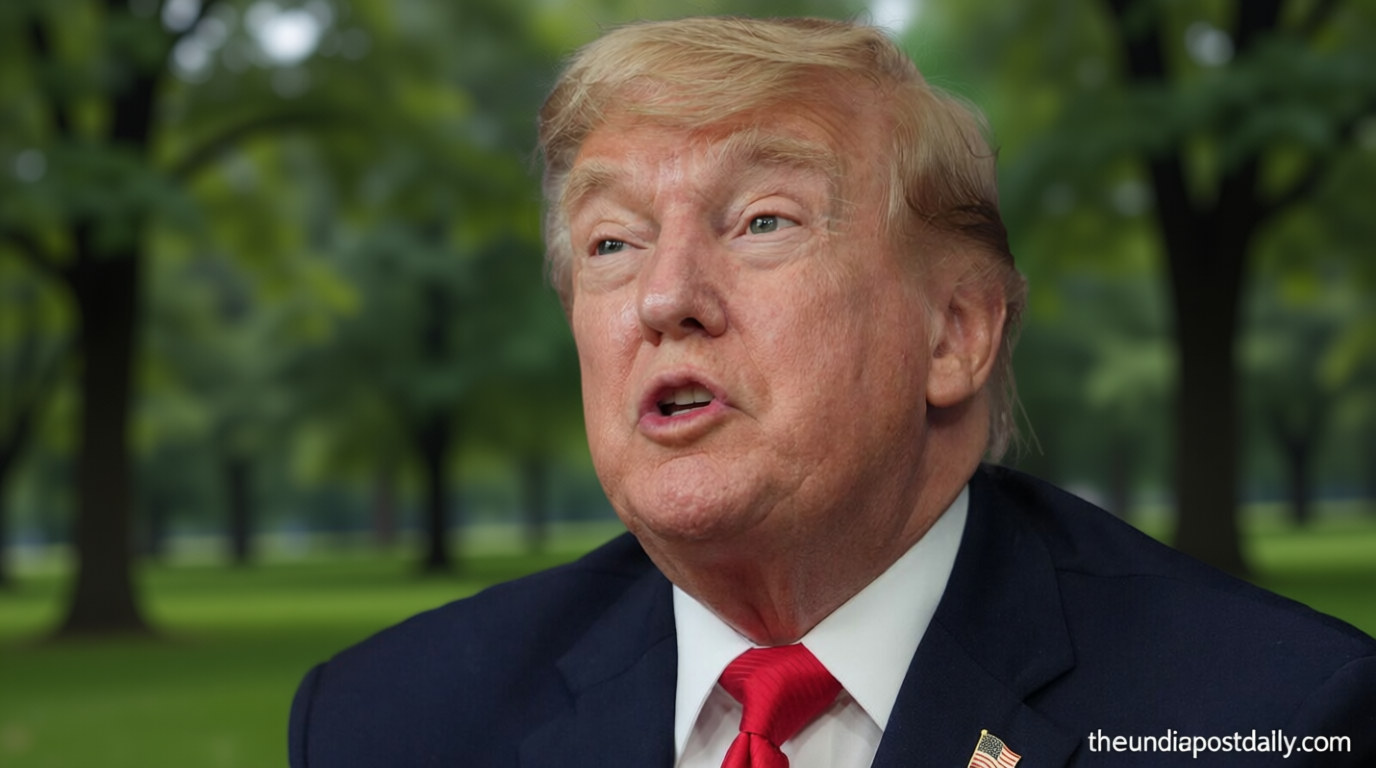
Theindiapostdaily.com – President Donald Trump criticized the U.S. Supreme Court’s recent decision upholding birthright citizenship, calling the ruling “too bad” for the country. In a post on his Truth Social platform, he highlighted the need for legislative action to modify the long-standing policy that grants automatic U.S. nationality to children born on American soil. The focus keyword—Trump calls Supreme Court birthright—resonates strongly in his call for Congress to address the issue, which he argues has been undermined by the judiciary.
“The Supreme Court maintained birthright citizenship, which is too bad for our Country, but we can easily rectify this through legislation, with the President’s full backing,” Trump stated. His remarks underscored his belief that the ruling, rooted in the 14th Amendment, creates an unfair advantage for individuals born to undocumented parents. Trump emphasized that the decision, which he termed “costly and unjust,” could be overturned by Congress without requiring a constitutional amendment, reflecting his broader strategy to shift immigration policy through legislative means.
Supreme Court Affirms Birthright Citizenship
The U.S. Supreme Court’s unanimous ruling on June 30 reaffirmed the principle of birthright citizenship, a cornerstone of American immigration law. The decision upheld the 14th Amendment’s Citizenship Clause, which guarantees that anyone born in the United States is automatically a citizen. This interpretation was further supported by the majority opinion, which clarified that children of undocumented immigrants are “subject to the jurisdiction” of the country, thereby qualifying for citizenship by birth. The ruling preserved the legal framework that has been in place for over a century.
“Citizenship, both in the past and present, represents the right to participate fully in our political system,” Chief Justice John Roberts explained, leading a 5-4 majority. The court’s opinion stressed that the 14th Amendment’s intent was to ensure equal rights for all individuals born in the U.S., regardless of their parents’ immigration status. This decision aligns with the original understanding of the amendment, which was designed to grant citizenship to freed African American slaves and their descendants after the Civil War.
Trump’s Executive Order and Its Rejection
Earlier this year, President Trump had proposed an executive order to restrict birthright citizenship, aiming to limit it to children of parents with legal residency. The policy would have required undocumented parents to establish their status before their children could claim U.S. nationality at birth. However, the Supreme Court rejected this effort, citing its alignment with the Constitution’s original framework. The ruling signaled a setback for Trump’s plan to curb the automatic citizenship of children born to undocumented immigrants, a key part of his immigration agenda.
Trump’s involvement in the case extended beyond the executive order. He participated in oral arguments on April 1, becoming the first sitting president to directly engage with the court on this issue. His comments during the hearing emphasized the urgency of reversing the decision, framing it as a threat to national sovereignty. The court’s rejection of his order, however, highlighted the difficulty of changing the 14th Amendment’s interpretation through executive action alone.
Clarence Thomas’s Dissent and Constitutional Arguments
Justice Clarence Thomas, in a dissenting opinion, argued that elements of Trump’s executive order aligned with the original intent of the Citizenship Clause. He wrote, “Many applications of the President’s Order match the original public meaning of the amendment, so I respectfully disagree with the majority’s conclusion.” Thomas pointed out that the clause was intended to ensure citizenship for individuals born within the U.S., not necessarily to grant it automatically to children of undocumented parents. His dissent raised questions about the flexibility of the 14th Amendment and its potential for reinterpretation in future legal challenges.
“The Civil Rights Act and the Citizenship Clause together ensure that all individuals born and residing in the United States, regardless of race, are entitled to citizenship,” Thomas added. His argument resonated with some legal scholars who believe the amendment’s text allows for varied interpretations. This divergence in opinions within the court underscores the ongoing debate over the scope of birthright citizenship and its impact on immigration policy.
Political and Legal Implications of the Ruling
The Supreme Court’s decision has significant political implications, particularly for President Trump’s efforts to reshape immigration law. By upholding birthright citizenship, the ruling maintains the legal status of nearly 250,000 infants born annually to undocumented parents, ensuring they are automatically granted U.S. nationality. This outcome may influence the upcoming congressional session, where lawmakers could face pressure to pass legislation that either expands or narrows the definition of birthright citizenship. Trump’s frustration with the ruling has also fueled his calls for a constitutional amendment to further limit the policy, though such a move would require a more complex process than executive action.
The ruling’s broader impact extends beyond immediate legal changes. It reinforces the idea that the 14th Amendment, a pivotal part of the Constitution, remains a flexible tool for defining citizenship. Critics argue that this interpretation safeguards the rights of children born in the U.S., while supporters of Trump’s order contend it creates a pathway for “anchor babies” and inflates the number of U.S. citizens. The debate highlights the tension between preserving constitutional principles and adapting them to modern immigration challenges, a discussion that is likely to continue in both political and legal circles.
Future Outlook and Legislative Priorities
As the ruling solidifies the status of birthright citizenship, Congress is now tasked with addressing the policy’s implications. Trump’s campaign to modify this rule through legislation has been a recurring theme, and his team is expected to push for bills that align with his vision. The president’s focus keyword—Trump calls Supreme Court birthright—has been central to his messaging, emphasizing the need for legislative intervention to correct what he perceives as judicial overreach. With the next legislative session approaching, the battle over birthright citizenship may take center stage in the political discourse surrounding immigration reform.