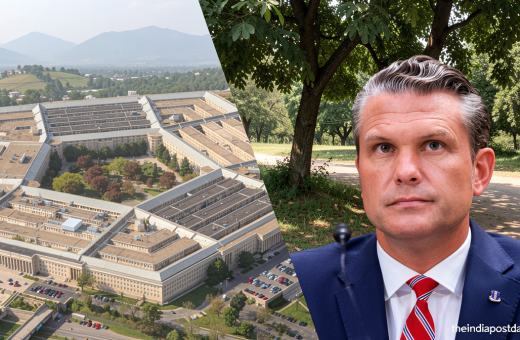
Fed Kevin Warsh says inflation risks have come down, vows, ‘We’re going to deliver price stability’
Fed Kevin Warsh: Inflation Risks Decline, Price Stability Aiming Shifting Inflation Outlook and Policy Priorities Fed Kevin Warsh says inflation risks - Kevin
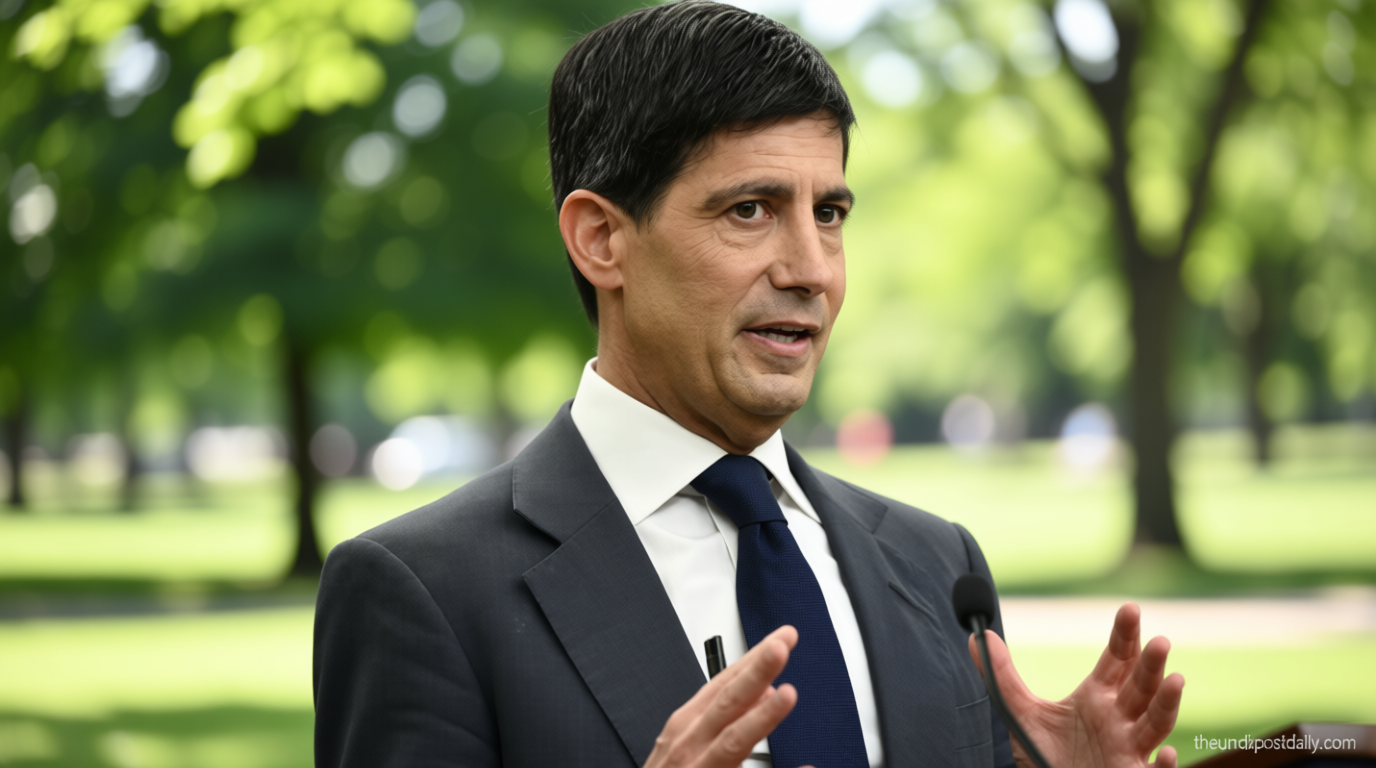
Fed Kevin Warsh: Inflation Risks Decline, Price Stability Aiming
Shifting Inflation Outlook and Policy Priorities
Theindiapostdaily.com – Kevin Warsh, a prominent member of the Federal Reserve, has recently emphasized that the inflation risks facing the US economy have significantly diminished. In his remarks, he reaffirmed the Fed’s unwavering commitment to maintaining price stability by returning inflation to its long-term target of 2%. Warsh noted that the recent improvements in inflation expectations signal a more favorable economic climate, with indicators suggesting that persistent price pressures are beginning to ease.
“Inflation risks have come down, and expectations of inflation over the first four weeks of this period have also declined,” Warsh stated during a speech at the European Central Bank’s annual Forum on Central Banking in Sintra, Portugal. “This gives us greater confidence that the Fed can deliver the price stability we’ve always aimed for.”
His comments align with broader signals from the Federal Reserve, which has been closely monitoring inflation trends as part of its dual mandate of price stability and maximum employment. While the central bank has kept interest rates steady in recent months, Warsh’s remarks highlight a shift in strategy, as policymakers now appear more optimistic about achieving their inflation target without excessive rate hikes.
Independence of the Fed and Political Pressure
Warsh also addressed concerns about the Fed’s independence, which has been a recurring topic in recent economic discussions. Despite former President Donald Trump’s calls to cut interest rates, Warsh stressed that the Fed remains autonomous in its decision-making process. He argued that the central bank’s ability to act without political interference is crucial for maintaining credibility and achieving long-term economic goals.
“We’ve been an independent central bank for a very long time,” Warsh said during a panel discussion. “Our commitment to price stability will not waver, and you’ll see no changes to that at this moment.”
The Fed’s independence has been a key factor in its ability to navigate economic challenges, such as the recent surge in inflation. Warsh’s emphasis on this autonomy comes as the US faces a complex mix of factors influencing the economy, including supply chain disruptions and labor market dynamics. By maintaining independence, the Fed aims to balance these influences and ensure steady progress toward its inflation target.
Forward Guidance and Policy Adjustments
Warsh’s remarks also underscored a new approach to forward guidance, which has traditionally been used to communicate the Fed’s future interest rate decisions. He announced a departure from previous practices, vowing to avoid offering explicit guidance on upcoming policy moves. This shift is designed to give the Fed more flexibility in responding to evolving economic conditions.
“We’re going to chart a new course,” Warsh explained. “This means we’ll focus more on transparency and less on speculative predictions about future rates.”
By moving away from forward guidance, the Fed aims to reduce market uncertainty and allow for more data-driven decisions. This strategy reflects the central bank’s confidence in the current inflation trajectory, though it also acknowledges the need to remain agile in case new risks emerge. Warsh’s comments signal a more cautious yet proactive stance in managing inflationary pressures.
Rate Policy and Economic Indicators
While the Fed has held interest rates steady in recent months, Warsh pointed to a growing consensus among policymakers that rate increases may be necessary this year. Updated forecasts indicate that half of the 18 Fed officials anticipate a rate hike, as inflation reaches its highest level since 2023. This suggests that the central bank is preparing to take action if inflationary pressures persist.
“The data shows that inflation is on a path to decline, but we must remain vigilant,” Warsh said. “Our focus is on ensuring that price stability is achieved through a balanced and measured approach.”
Warsh’s remarks are part of a broader discussion about the Fed’s role in stabilizing the economy. The central bank’s decisions will have significant implications for borrowing costs, consumer spending, and business investment. By maintaining a steady rate policy, the Fed seeks to provide stability while addressing the inflation risks that have emerged in the current economic environment.
Market Reactions and Long-Term Implications
The Fed’s stance on inflation has sparked mixed reactions in financial markets. While some investors welcome the improved outlook, others remain cautious, noting that inflationary trends can be volatile. Warsh’s emphasis on price stability has reassured markets about the Fed’s commitment to its dual mandate, but the path to achieving this goal remains uncertain.
“The Fed’s commitment to inflation control is clear, but we must stay adaptable to ensure the economy remains on a stable trajectory,” Warsh added. “This requires careful monitoring of both inflation and labor market indicators.”
As the Fed moves forward, its ability to balance inflation control with economic growth will be closely watched. Warsh’s message of confidence and flexibility is intended to reassure the public and financial markets that the central bank will take the necessary steps to maintain price stability, even as it adjusts to new economic realities.
Challenges Ahead and Policy Consensus
Despite the positive signs, Warsh acknowledged that challenges remain in the fight against inflation. He highlighted the importance of sustained data on wage growth and consumer price trends to guide future decisions. The Fed’s policy consensus is gradually aligning, with officials agreeing that rate hikes may be warranted if inflationary pressures persist.
“We’re not there yet, but the progress we’ve made is encouraging,” Warsh said. “The goal is to deliver consistent price stability, which is essential for long-term economic health.”
With inflation risks coming down but not entirely eliminated, the Fed’s next steps will be critical. Warsh’s comments reinforce the central bank’s focus on its core mission, ensuring that its policies remain effective in addressing both inflation and employment goals. As the economy continues to evolve, the Fed’s ability to adapt will be key to its success.