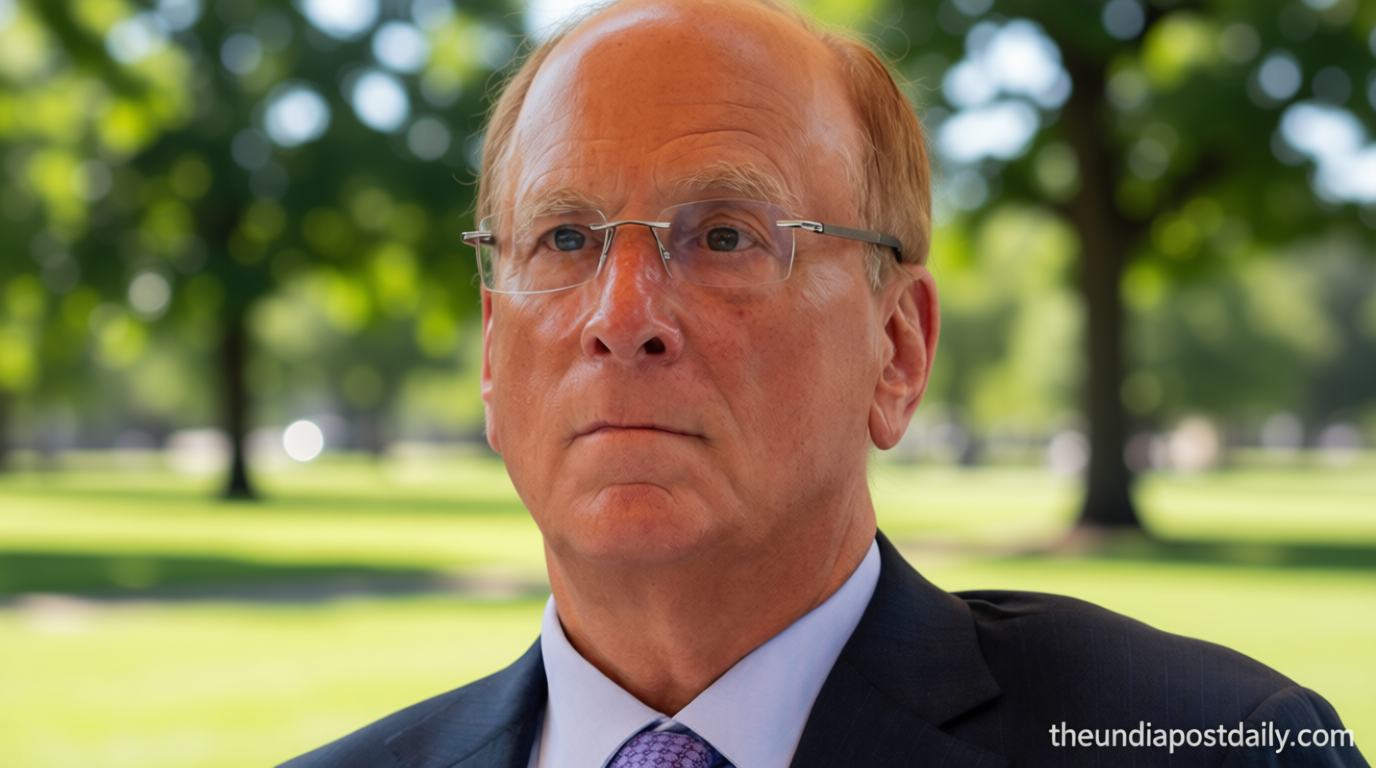
BlackRock CEO Larry Fink ‘worried about New York’, warns of investment cuts under Zohran Mamdani’s tax policies
BlackRock CEO Larry Fink Worried About New York’s Tax Policies Theindiapostdaily.com – BlackRock CEO Larry Fink, a prominent voice in global finance, has expressed concerns over New York’s fiscal strategies,…
BlackRock CEO Larry Fink Worried About New York’s Tax Policies
Theindiapostdaily.com – BlackRock CEO Larry Fink, a prominent voice in global finance, has expressed concerns over New York’s fiscal strategies, warning that stringent tax policies could lead to investment cuts. During a recent address at the Aspen Institute’s Ideas Festival, Fink highlighted the potential for the firm to reconsider its U.S. operations, emphasizing the growing pressure from New York’s financial policies. His remarks underscore a broader trend of corporate leaders scrutinizing the city’s ability to retain business investments amid rising taxes and bureaucratic challenges.
Fink’s Concerns for Business Climate and Workforce
Fink stressed that while BlackRock maintains a significant presence in New York, with approximately 8,000 employees operating within the city, the company’s global workforce spans 25,000 to 26,000 individuals. He pointed out that the decision to reallocate resources may depend heavily on the city’s fiscal environment. “If the business climate in New York continues to deteriorate, we might have to rethink our operations here,” Fink stated, underscoring the delicate balance between taxation and economic incentive.
“I’m worried about New York. Our presence here has been built on confidence in its economic framework, but the current tax policies may undermine that stability,” he explained.
Tax Policies and Public Services in Disparity
Fink critiqued the city’s reliance on the top 1% of taxpayers for nearly half of its revenue, arguing that this model risks alienating key contributors. He suggested that the existing tax policies may not adequately reflect the value provided by public services, leading to a decline in both investment and talent. “If we lose even 5,000 of those high-income earners, it could offset much of the progress this administration is trying to achieve,” Fink warned, highlighting the potential strain on New York’s financial health.
“The tax policies are designed to extract more from businesses, but without a corresponding return in services or infrastructure, it’s hard to see how they’ll sustain long-term investment,” he added.
Leadership Shifts and Economic Challenges
Fink also pointed to the city’s leadership changes as a contributing factor to its fiscal struggles. He noted that the past 13 years have seen a series of governance shifts, which he believes have weakened New York’s economic momentum. While acknowledging former mayor Michael Bloomberg as the city’s “last strong leader,” Fink lamented the current administration’s focus on taxation over growth. “The quality of life has declined in many areas, and that’s a direct result of policies that don’t align with the needs of businesses,” he said, reinforcing his worries about New York’s trajectory.
“Larry Fink is worried about the disconnect between tax burdens and the benefits that businesses receive. Without a clear strategy to support innovation and global competitiveness, New York risks losing its edge,” Fink remarked.
Global Comparisons and Tax Efficiency
To illustrate his point, Fink drew parallels between New York and other cities that have managed tax policies more effectively. He cited the Netherlands as an example, where high tax rates are balanced with robust public services, such as universal healthcare and free education, fostering a sense of fairness among taxpayers. “In contrast, New York’s approach feels punitive without a clear payoff,” Fink noted, arguing that the city’s current tax policies could deter future investment. This comparison strengthens the case for reevaluating the city’s fiscal strategy to attract and retain businesses.
Call for Policy Reforms and Economic Growth
Fink urged policymakers to prioritize economic expansion over solely increasing tax burdens. He emphasized that without sustainable growth, the city’s fiscal challenges will persist. “The biggest problem is our unmanageable deficits—both parties share the blame,” he said. “A thriving global capital market and innovation like AI are our engines of growth, but if those opportunities fade, we face serious consequences.” His comments reflect a growing concern among corporate leaders that New York’s policies may no longer be aligned with its status as a global financial hub.
“Larry Fink worried about the long-term impact of New York’s tax policies on its economic future. If we don’t address this imbalance, we risk losing the very foundations that make this city a magnet for investment,” he concluded.