‘Detrimental to bilateral relations’: Bangladesh slams India for ousted PM Sheikh Hasina’s Delhi press conference
Bangladesh has strongly criticized India for permitting ousted Prime Minister Sheikh Hasina to conduct a live press conference in New Delhi on Wednesday. The
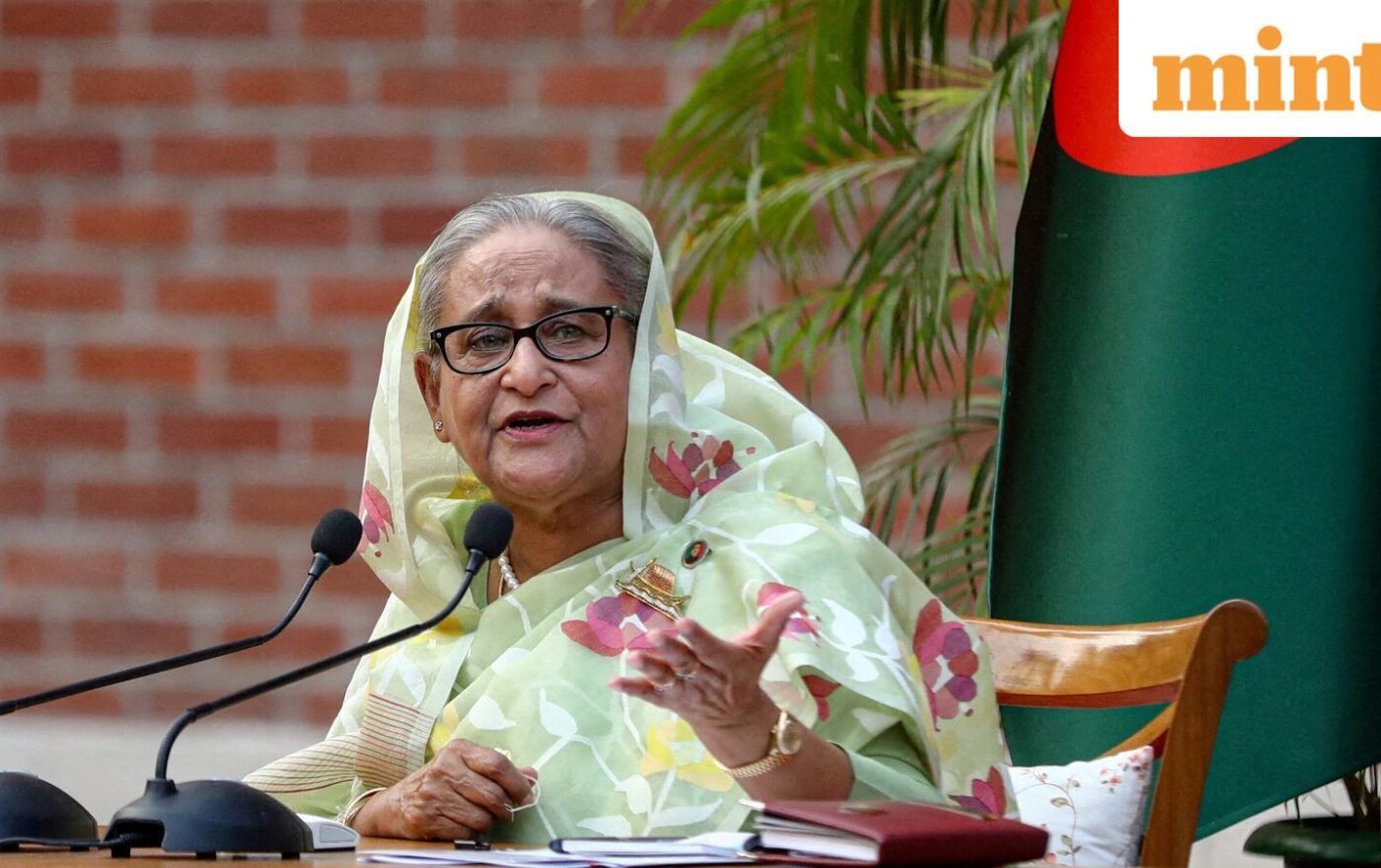
Bangladesh Condemns India Over Sheikh Hasina’s Delhi Press Conference
Theindiapostdaily.com – Bangladesh has strongly criticized India for permitting ousted Prime Minister Sheikh Hasina to conduct a live press conference in New Delhi on Wednesday. The Bangladesh Ministry of Foreign Affairs issued a formal statement expressing outrage that Hasina, described as an “absconding convicted genocider,” was allowed to address the media from Indian soil. During this interaction, Hasina and her associates “launched venomous vitriol against the State of Bangladesh and her people,” according to the official diplomatic statement released on Wednesday.
Hasina’s Return Plans and Current Situation
Sheikh Hasina, who was compelled to flee Bangladesh in August 2024 following widespread student protests, has remained in exile in India since her departure. Despite being convicted in absentia of crimes against humanity and receiving a death sentence in November 2025 from the International Crimes Tribunal in Dhaka, Hasina has maintained her determination to return to Bangladesh. She announced her intention to come back in December, stating she wants to restore democracy and put the country on the “right track.” “Whatever fate awaits me, I will return to my people. I cannot stay away while my beloved countrymen are suffering,” Hasina declared during her Delhi press conference.
Hasina characterized Bangladesh’s current situation as deeply disturbing, noting that “fear has entered homes, workplaces, and educational campuses; this is not the Bangladesh we built.” She emphasized that Bangladesh’s crisis extends beyond domestic boundaries, potentially impacting regional peace, security, trade, development, and human dignity. “That is why I call upon the international community and all the friends of Bangladesh to stand with the people of Bangladesh in their struggle for democracy, justice and peace,” she urged.
Diplomatic Fallout and Sovereignty Concerns
Bangladesh’s Foreign Affairs Ministry responded forcefully to Hasina’s comments, particularly noting that the media interaction occurred on the second anniversary of the July Revolution. The ministry stated that Hasina’s press conference “on the Indian soil stands as an affront to the sovereignty of Bangladesh,” and constituted a “grievous insult to the martyrs of the July Revolution.” The statement further criticized Hasina for denying facts established by the United Nations regarding the “gruesome killing of innocent civilians including minor children during July-August 2024 by the fascist regime.”
The ministry characterized Hasina’s denial as “a futile attempt by the absconding convicted mass murderer Hasina and her criminal cohort to reverse the tide of history.” According to Dhaka, the people of Bangladesh had already rejected such attempts in the past and continue to do so. “Dhaka deeply regrets that in spite of concerns conveyed a priori to the Government of India about the likely ramifications of this event on the reset of our bilateral relations, this public event was permitted to be held,” the statement emphasized.
According to the Foreign Ministry, Bangladesh’s “repeated requests to the Government of India for returning convicted criminal Hasina to Bangladesh under the Extradition Treaty signed between Bangladesh and India in 2013, has not yet elicited a response.” This diplomatic impasse continues to strain relations between the two neighboring nations as Dhaka seeks Hasina’s extradition to face justice for crimes committed during her tenure.
“The denial of facts established by the United Nations, including gruesome killing of the innocent civilians including minor children during July-August 2024 by the fascist regime, stands as a futile attempt by the absconding convicted mass murderer Hasina and her criminal cohort to reverse the tide of history.”
FAQ: Bangladesh-India Relations and Sheikh Hasina
Q: What is the extradition treaty between Bangladesh and India? A: The Extradition Treaty was signed between Bangladesh and India in 2013, providing a legal framework for the return of convicted criminals between the two nations. Bangladesh has repeatedly requested Hasina’s return under this treaty.
Q: When did Sheikh Hasina flee Bangladesh? A: Sheikh Hasina was forced to leave Bangladesh in August 2024 amid widespread student protests that led to significant political changes in the country.
Q: What charges was Hasina convicted of? A: The International Crimes Tribunal in Dhaka convicted Hasina in absentia of crimes against humanity and sentenced her to death in November 2025.
Q: What is the July Revolution? A: The July Revolution refers to the significant political movement in Bangladesh during July-August 2024, during which innocent civilians, including minor children, were reportedly killed by what Bangladesh’s government describes as the “fascist regime.”
Q: When does Hasina plan to return to Bangladesh? A: Sheikh Hasina has announced her intention to return to Bangladesh in December 2025, stating she wants to restore democracy and reconnect with her people.
Q: How has India responded to Bangladesh’s concerns? A: According to Bangladesh’s Foreign Ministry, India has not yet responded to Bangladesh’s repeated requests for Hasina’s extradition under the 2013 treaty, despite prior concerns being conveyed about the potential impact on bilateral relations.