West Asia conflict leaves India’s MSMEs grappling with power, diesel woes
West Asia conflict leaves India's MSMEs grappling with power, diesel woes Theindiapostdaily.com – The ongoing West Asia conflict has triggered a cascade of challenges for India's small and medium-sized enterprises…
West Asia conflict leaves India’s MSMEs grappling with power, diesel woes
Theindiapostdaily.com – The ongoing West Asia conflict has triggered a cascade of challenges for India’s small and medium-sized enterprises (MSMEs), as energy shortages and dwindling diesel supplies intensify operational hurdles. With the geopolitical tensions escalating in the region, the ripple effects are being felt across India’s industrial landscape, particularly in sectors that depend heavily on consistent energy and fuel availability. The conflict has disrupted trade routes, delayed shipments, and raised concerns about the sustainability of supply chains, leaving MSMEs in a precarious position. As the situation persists, the economic strain on these businesses grows, with many struggling to maintain productivity and manage rising costs. This crisis underscores the interconnectedness of global markets and highlights the vulnerabilities of India’s manufacturing and logistics sectors, which are now at the forefront of a challenging period.
Immediate Impact on Energy and Fuel Supplies
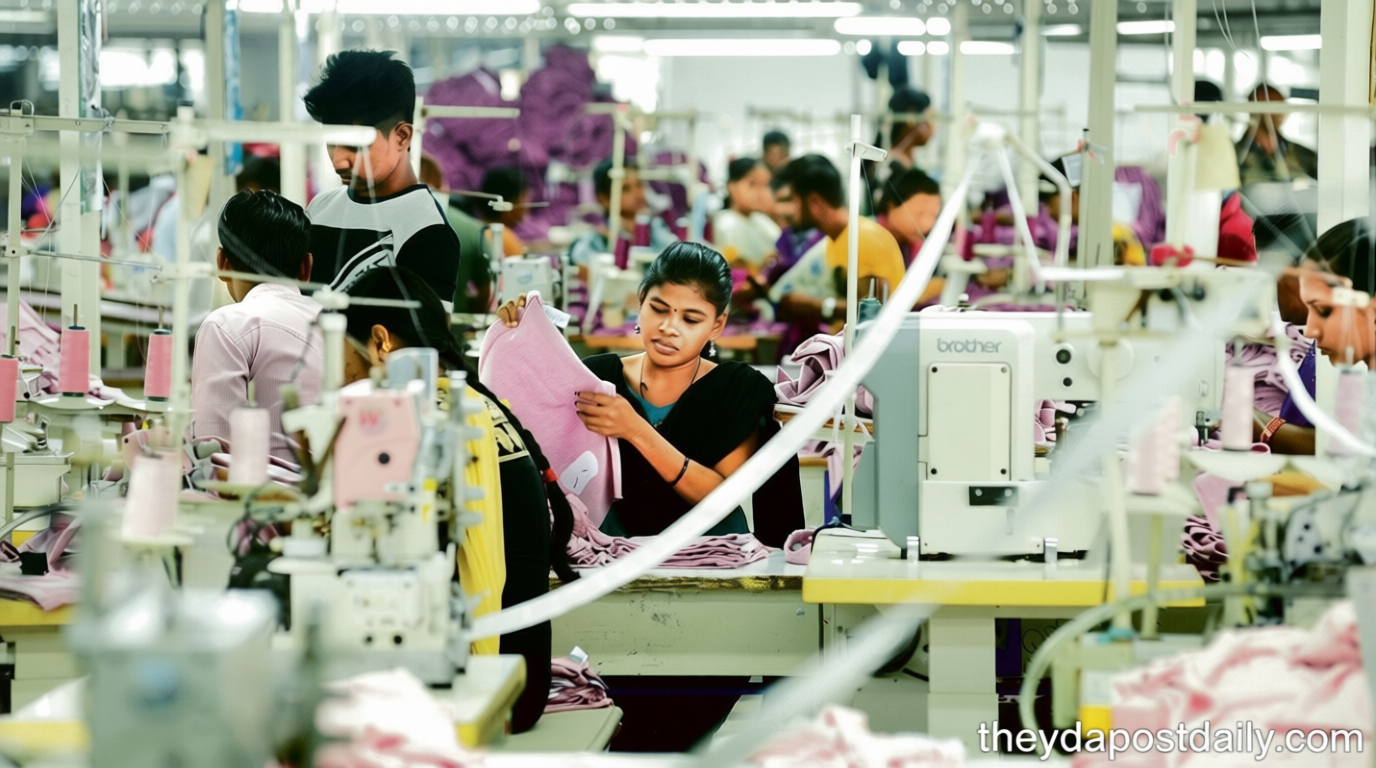
The West Asia conflict has directly impacted India’s energy and fuel imports, as the country relies heavily on Middle Eastern crude oil and diesel. With oil prices fluctuating and transportation routes facing delays, MSMEs that operate in energy-intensive industries are bearing the brunt of the crisis. Power shortages, exacerbated by the reduced supply of diesel for generators, have led to frequent outages in industrial zones and urban areas. According to industry experts, these disruptions are not just isolated incidents but part of a broader trend that could affect the country’s economic growth. For example, manufacturers in the textile and automotive sectors are reporting increased downtime, while transport companies are grappling with higher fuel costs and logistical bottlenecks. The result is a surge in operational expenses, which has forced many businesses to rethink their cost structures and operational strategies.
Supply Chain Disruptions and Operational Challenges
“The dual impact of power cuts and fuel constraints is creating uncertainty for manufacturers, particularly in sectors reliant on consistent energy and logistics,” said the industry representative.
The disruption in supply chains is a critical concern, as MSMEs often lack the financial buffers to withstand prolonged shortages. Diesel, a vital component for transportation and machinery, has become scarcer, leading to delays in raw material procurement and finished goods distribution. This has not only increased production costs but also reduced the efficiency of operations, as businesses are forced to optimize their workflows to compensate for the lost time. The situation is further complicated by the reliance on imported goods, which are now arriving at slower rates due to the conflict. As a result, MSMEs are facing a dual challenge: managing their energy and fuel consumption while ensuring the timely delivery of products to meet market demands.
Economic Consequences for MSMEs
The economic consequences of the West Asia conflict are far-reaching, with MSMEs being disproportionately affected compared to larger corporations. These businesses, which form the backbone of India’s economy, are now experiencing a decline in profitability due to the combined effect of rising energy and fuel costs. Additionally, the uncertainty surrounding supply chains has led to a reluctance among MSMEs to invest in new projects or expand their operations. A report by Mint indicates that the sector is projected to lose billions in revenue over the next few months, with small businesses facing the most significant financial strain. The conflict has also disrupted export activities, as the timely transportation of goods to international markets is now more challenging. This has led to a decrease in demand from foreign buyers, further compounding the difficulties faced by these enterprises.
Industry-Specific Challenges and Adaptation Strategies
Industry-specific challenges are emerging as a result of the West Asia conflict, with certain sectors more vulnerable than others. In the manufacturing sector, for instance, the lack of consistent power and diesel supply has led to a decline in production levels, affecting the availability of finished goods in the market. Similarly, the logistics and transportation industries are struggling to maintain their service levels, as higher fuel costs and delays in shipping have led to increased expenses and reduced capacity. To adapt, some MSMEs are exploring alternative energy sources, such as solar power, and investing in fuel-efficient technologies. However, these measures require significant upfront costs, which many small businesses are hesitant to incur. The report by Mint also highlights the need for government intervention, as the current situation is straining the ability of MSMEs to sustain their operations in the long term.
As the West Asia conflict continues, the pressure on India’s MSMEs is expected to mount, with the potential for long-term economic consequences. The disruption in energy and fuel supplies is not just a temporary setback but a structural challenge that requires immediate attention. Businesses are increasingly seeking ways to mitigate the impact, such as diversifying their supply chains, reducing dependency on imported goods, and adopting energy-saving practices. However, without targeted support from policymakers, the sector may face further difficulties. The situation also highlights the importance of global energy security and the need for India to develop alternative strategies to ensure the stability of its industrial and commercial activities. For now, the focus remains on navigating the immediate crisis and finding sustainable solutions to minimize the long-term damage to the MSME sector.