King Charles leaving Buckingham Palace next year? Here’s what we know about it
King Charles III to Leave Buckingham Palace in 2025: Key Details Revealed King Charles leaving Buckingham Palace next year marks a significant shift in the
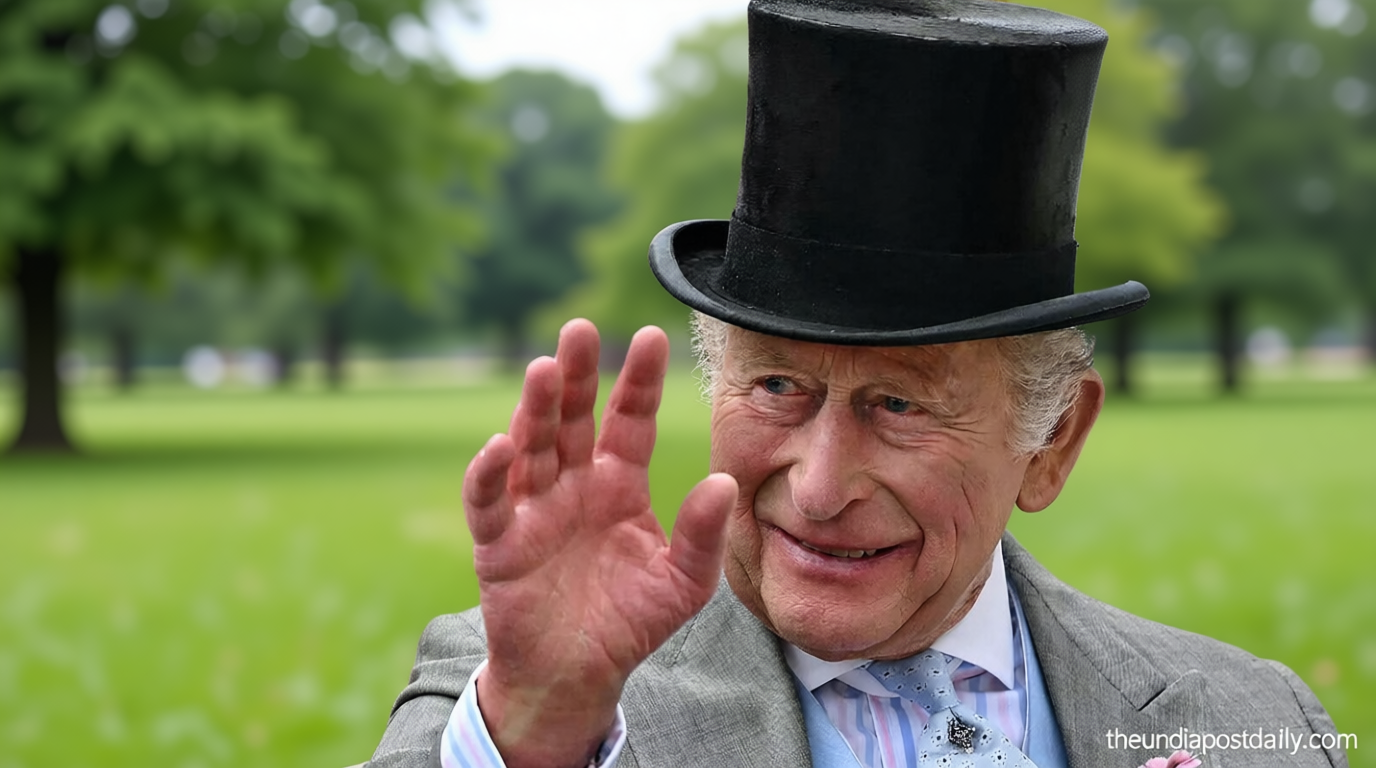
King Charles III to Leave Buckingham Palace in 2025: Key Details Revealed
Theindiapostdaily.com – King Charles leaving Buckingham Palace next year marks a significant shift in the monarchy’s official residence strategy. According to recent updates, the reigning monarch will no longer make Buckingham Palace his primary home starting in 2025. Instead, he will continue residing at Clarence House, his official London residence since 2019. This decision aligns with the ongoing £369 million renovation project, which aims to modernize the historic estate while preserving its role as a central hub for royal ceremonies and state functions.
The Buckingham Palace restoration, initiated in 2017, is set to conclude by 2025, reflecting a long-term commitment to upgrading the building’s infrastructure. While the palace will remain a key location for public events and royal duties, its function as the king’s primary residence will diminish. The renovation will focus on improving electrical systems, heating, and plumbing, ensuring the site remains a functional and iconic symbol of British heritage. This move also allows for increased public access to the palace, with plans to enhance visitor experiences through updated facilities and guided tours.
Why King Charles is Transitioning Out of Buckingham Palace
The decision to transition away from Buckingham Palace is influenced by both practical and symbolic factors. The renovation project, which has been ongoing for nearly a decade, is essential for maintaining the building’s relevance in the modern era. By relocating his private quarters to Clarence House, King Charles III can better balance his duties as a working monarch with the need for updated living spaces. This shift also underscores the evolving role of the royal family, with a focus on transparency and efficiency in their operations.
Buckingham Palace, often referred to as the monarchy’s “flagship,” will retain its importance as a venue for official events. However, the removal of the king’s residential presence signals a change in how the palace is perceived and utilized. The royal family has emphasized that the building’s status as a central institution will not be affected, and its ceremonial role will continue. This adjustment allows for more flexibility in managing the monarchy’s resources while maintaining public engagement with the historic site.
King Charles leaving Buckingham Palace also has financial implications. The renovation project is expected to cost around £369 million, with the government funding a significant portion through the Sovereign Grant. This allowance has seen an increase in recent years, rising from £86 million in 2024-25 to £132 million in 2025-26. The additional funding supports the modernization efforts, ensuring the palace remains a viable asset for the monarchy. Despite these financial considerations, the king’s private quarters at the palace will still be available for temporary stays, maintaining a connection to the iconic estate.
King Charles’s Financial Contributions to the Monarchy
As the reigning monarch, King Charles III has become a prominent figure in Britain’s financial landscape. Recent reports indicate that he contributed £12.9 million in taxes during the 2024-25 fiscal year, solidifying his position among the nation’s top 100 taxpayers. This move toward financial transparency follows the royal family’s commitment to accountability after Queen Elizabeth II’s passing in 2022. By voluntarily paying taxes, Charles aligns with the tradition of his mother, who began doing so in 1993, setting a precedent for the monarchy’s fiscal responsibility.
The king’s private income comes from the Duchy of Lancaster estate, which generated £25.2 million in 2025-26. This revenue, combined with other assets, enables him to fund personal expenses while still contributing to public coffers. His tax payments, which totaled £11.7 million in 2023-24 and over £30 million cumulatively since 2022, demonstrate a dedication to supporting the monarchy’s financial health. The Sovereign Grant, a government-funded allowance, has also seen growth, with projections indicating it will reach £137.9 million in 2026-27. However, this amount will decrease to £100 million in 2027-28, in line with the king’s vision for the monarchy’s future.
While the king’s financial contributions are notable, they are part of a broader effort to streamline the monarchy’s operations. The reduction in Sovereign Grant funding, from £132 million to £100 million in 2027-28, reflects a strategic approach to balancing royal expenses with public expectations. Chalmers, the king’s treasurer, emphasized that these adjustments are made with the monarchy’s needs in mind, ensuring that resources are allocated efficiently. The transition from Buckingham Palace also allows for a more modern and sustainable use of the royal estate, which is a key priority for the current administration.