‘ ₹1 lakh a month feels safe’: Woman calls it ‘the biggest trap’ of 2026; video divides internet
₹1 Lakh a Month Feels Safe: Woman Calls It 'The Biggest Trap' of 2026; Video Divides Internet The Illusion of Financial Security 1 lakh a month feels safe
₹1 Lakh a Month Feels Safe: Woman Calls It ‘The Biggest Trap’ of 2026; Video Divides Internet
The Illusion of Financial Security
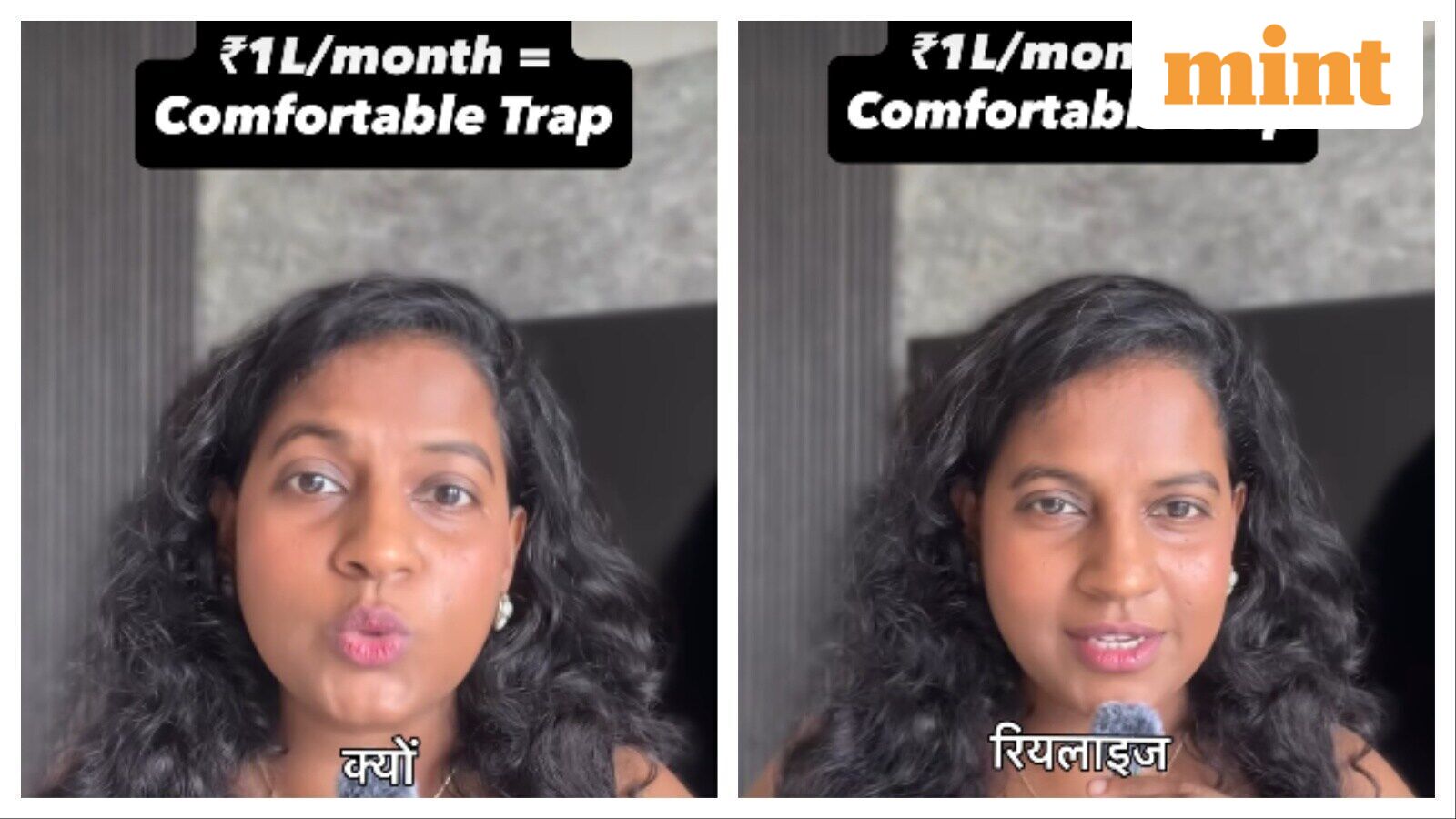
Theindiapostdaily.com – “₹1 lakh a month feels safe. That’s exactly the problem,” said Instagram creator Nidhi Kushwaha in a viral video that has sparked a heated debate online. For years, a monthly income of ₹1 lakh has been viewed as a benchmark of financial stability in India, especially for urban professionals. However, Kushwaha’s critique challenges this perception, arguing that the figure may now represent a psychological barrier rather than a clear indicator of success. The video, which went viral in late 2026, questions whether this income level is truly a milestone or a trap that discourages individuals from aiming higher.
“₹1 lakh a month feels safe. That’s exactly the problem.”
Kushwaha’s analysis centers on the idea that financial comfort can breed complacency. While ₹1 lakh is sufficient to cover rent, utilities, and regular expenses, it might also make people hesitant to invest in personal growth, such as education, new skills, or entrepreneurial ventures. The creator emphasizes that settling into a routine of stability can limit potential, especially in an economy where inflation and rising living costs have reshaped what it means to be financially secure.
Rising Living Costs and the Pressure to Succeed
As the video gained traction, it highlighted a growing concern among younger Indians about the evolving definition of financial success. With cities like Mumbai, Delhi, and Bangalore witnessing a surge in housing prices and lifestyle costs, earning ₹1 lakh monthly may no longer equate to a comfortable life. Kushwaha argues that this figure is being used as a standard to measure progress, but it could inadvertently set people back by fostering a mindset of minimalism and risk aversion.
“₹1 lakh a month feels safe. That’s exactly the problem. Most people stay stuck for years not from lack of capability, but lack of discomfort.”
The creator’s message resonates with many who feel trapped by the pressure to achieve this income without exceeding it. By labeling ₹1 lakh as “the biggest trap” of 2026, Kushwaha urges viewers to question their financial goals and consider whether they are setting themselves up for stagnation. The video’s emotional appeal and relatable examples have made it a focal point in discussions about income, ambition, and societal expectations.
Public Reaction and Broader Implications
While some praised Kushwaha for exposing the pitfalls of financial complacency, others defended the income level as a valid achievement. Comments on social media platforms like Twitter and Facebook revealed a spectrum of opinions, with users debating whether the figure is a realistic goal or an outdated standard. Critics pointed out that for many, especially in lower-tier cities or rural areas, ₹1 lakh is a significant milestone, offering a pathway to financial independence and quality of life improvements.
One commenter argued that the trap lies not in the income itself, but in how it is perceived. “₹1 lakh a month feels safe because it’s all people are used to,” said a user from Pune. Another user countered that the trap is more about mindset, adding, “If you’re satisfied with ₹1 lakh, that’s fine—but don’t let it hold you back from chasing bigger dreams.” The conversation has also touched on generational shifts, with younger professionals expressing a desire for more flexible and ambitious financial targets in a rapidly changing job market.
The Role of Social Media in Shaping Financial Narratives
Kushwaha’s video exemplifies how social media can redefine financial success in real-time. With millions of users sharing their own experiences and perspectives, the platform has become a space for both validation and critique. The video’s reach underscores the power of influencers to challenge traditional norms and inspire a new generation to question the status quo. However, it also raises questions about the role of viral trends in shaping individual and collective financial aspirations.
Experts note that the discussion around ₹1 lakh as a “trap” reflects a broader conversation about economic pressures and the pursuit of wealth. “The key is balance,” said financial advisor Ankit Sharma in a LinkedIn post. “₹1 lakh a month feels safe because it’s the minimum people are used to, but it’s not the end of the journey. The goal should be to grow beyond that comfort zone.” This sentiment aligns with Kushwaha’s argument, suggesting that the focus keyword “1 lakh a month feels” is not just a statistic, but a symbol of societal conditioning that influences personal financial decisions.
Looking Ahead: A Call for Financial Reassessment
As the debate continues, Kushwaha’s video has prompted a reevaluation of how income is tied to happiness and fulfillment. Many viewers are now questioning whether the pursuit of ₹1 lakh is a necessary step or a limiting factor in their careers. The creator’s message encourages a more nuanced understanding of financial goals, emphasizing that feeling secure is not inherently bad—but it should not come at the cost of growth.
With India’s economy in flux and inflationary pressures persisting, the discussion around ₹1 lakh as a standard is more relevant than ever. The video’s impact highlights the importance of redefining financial success in a way that allows for ambition and flexibility. Whether it’s a trap or a stepping stone, the phrase “1 lakh a month feels” has become a rallying point for a generation rethinking their relationship with money, ambition, and the future of work in 2026 and beyond.