Petrol, diesel prices today — 5 July: Latest fuel rates in Delhi, Mumbai, Bengaluru, Kolkata, Hyderabad, other cities
India’s petrol and diesel prices remained steady on 5 July, with
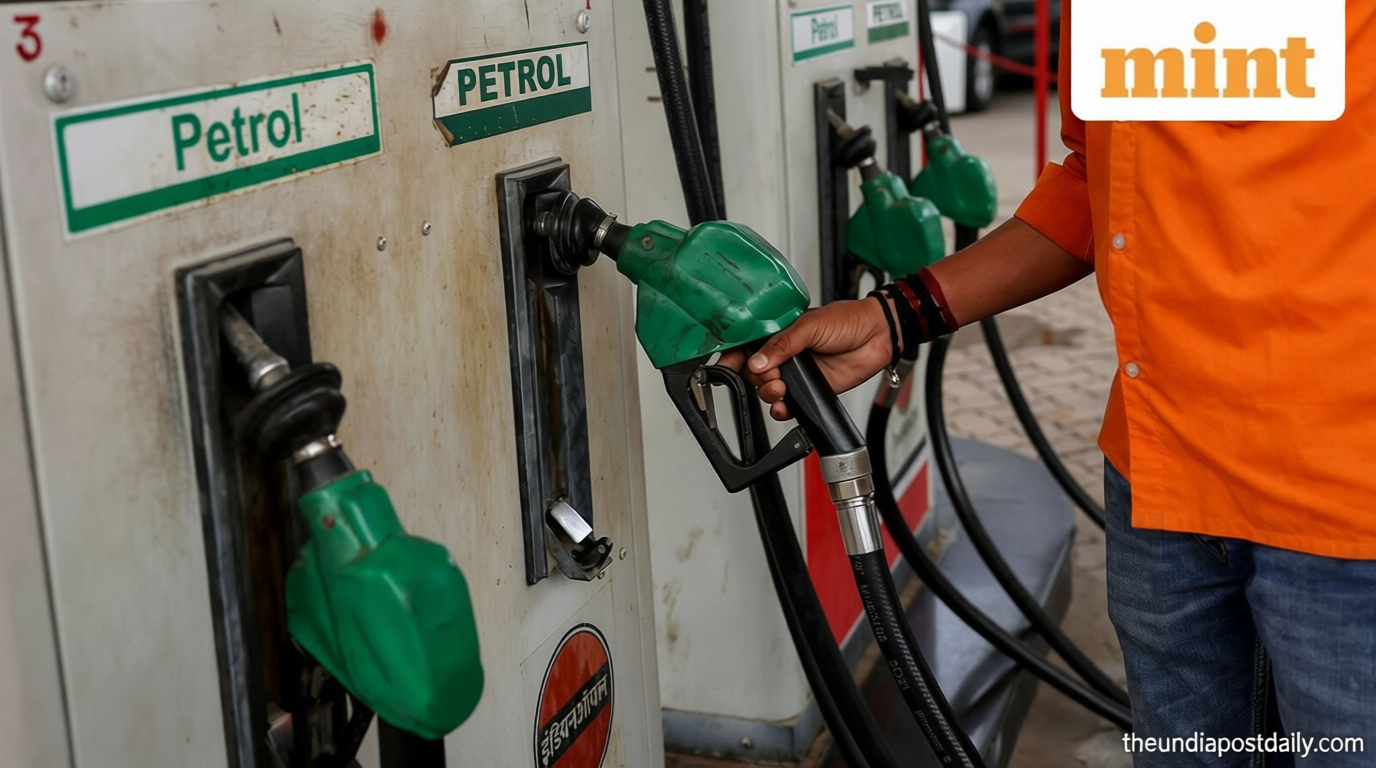
Petrol Diesel Prices Today: 5 July Update in Major Indian Cities
Theindiapostdaily.com – India’s petrol and diesel prices remained steady on 5 July, with minimal fluctuations across key cities. Despite a significant drop in Brent crude prices, which had declined by its largest quarterly amount since 2020, domestic fuel rates stayed the same. This stability was influenced by eased tensions in the Middle East and the gradual return of oil supplies through the Strait of Hormuz, which had been a critical chokepoint for global markets. The price freeze came as OMCs and private retailers continued to monitor market conditions ahead of potential adjustments.
Global Market Trends Impact Domestic Rates
The reopening of the Strait of Hormuz in June marked a turning point for oil prices, leading to a sustained decline as supplies resumed. Global crude prices hit a four-month low, with the US-Iran agreement playing a pivotal role in calming market anxieties. However, the price drop has not yet translated into immediate domestic fuel cost reductions. Eased geopolitical tensions have resulted in a surplus of oil, but demand remains steady, particularly in the Indian market, which is a major consumer of crude oil imports.
“The market is facing the risk of a temporary glut as trapped oil finally re-enters a system that has already spent months learning how to function without it,” said Natasha Kaneva, head of commodities research at JPMorgan Chase & Co. She added, “The barrels now exiting Hormuz increasingly have nowhere to go except China. But China is not buying,” according to Bloomberg.
With global prices stabilizing, Indian OMCs are now closely evaluating the possibility of cutting prices. The decision hinges on the balance between international crude costs and domestic demand, as well as the potential for further geopolitical developments. The ethanol blending initiative also remains a key factor in shaping fuel prices, with government officials emphasizing its role in reducing reliance on imported crude oil.
Recent Price Adjustments by OMCs and Private Retailers
On 1 July, state-run OMCs implemented reductions in fuel costs, with ATF prices dropping by ₹5 per litre and commercial LPG rates falling by ₹183.50 per cylinder. This marked the first price cut in nearly four months, reflecting a shift in market sentiment. Private refiners like Nayara Energy followed suit, lowering petrol prices by ₹5 and diesel by ₹3 per litre, a move that signals optimism about the long-term trajectory of fuel costs.
The price adjustments are being closely watched by consumers and analysts alike, as they could influence the affordability of transportation and daily expenses. Cities such as Delhi, Mumbai, Bengaluru, Kolkata, and Hyderabad, which are among the largest in terms of fuel consumption, have seen slight variations in rates based on local demand and supply dynamics. While the national average remained unchanged, regional factors are expected to play a role in future fluctuations.
Market analysts suggest that the next round of price changes will depend on the performance of Brent crude and the pace of oil supply from the Middle East. The recent truce between the US and Iran has led to increased tanker traffic, with over 60 million barrels of oil flowing through the Strait of Hormuz. This surge in supply has created a temporary surplus, but demand from India and other South Asian countries is expected to keep prices from dropping too sharply.
Consumers in Delhi, Mumbai, and other major cities are also influenced by the government’s ethanol blending policy, which aims to cut oil imports and reduce emissions. While E20 fuel has faced some skepticism, officials like Hardeep Singh Puri have consistently defended its benefits, emphasizing its role in supporting the agricultural sector and achieving environmental goals. This policy could have long-term implications for petrol and diesel prices, even as current rates remain stable.
The interplay between global crude prices and domestic demand continues to shape the fuel market. As the Indian economy adapts to lower international oil costs, the government is working to ensure that price reductions are passed on to consumers. This includes monitoring the activities of OMCs and private retailers to prevent any undue influence on fuel rates. The current stability in petrol and diesel prices today may provide a brief reprieve for households and businesses, but the market remains sensitive to global developments.