Petrol, diesel prices today, 25 July: Check fuel rates in Delhi, Mumbai, Bengaluru, Kolkata as crude eases
Petrol diesel prices today 25 July show retail fuel rates across India holding steady on Saturday despite easing global crude oil prices. After crude briefly
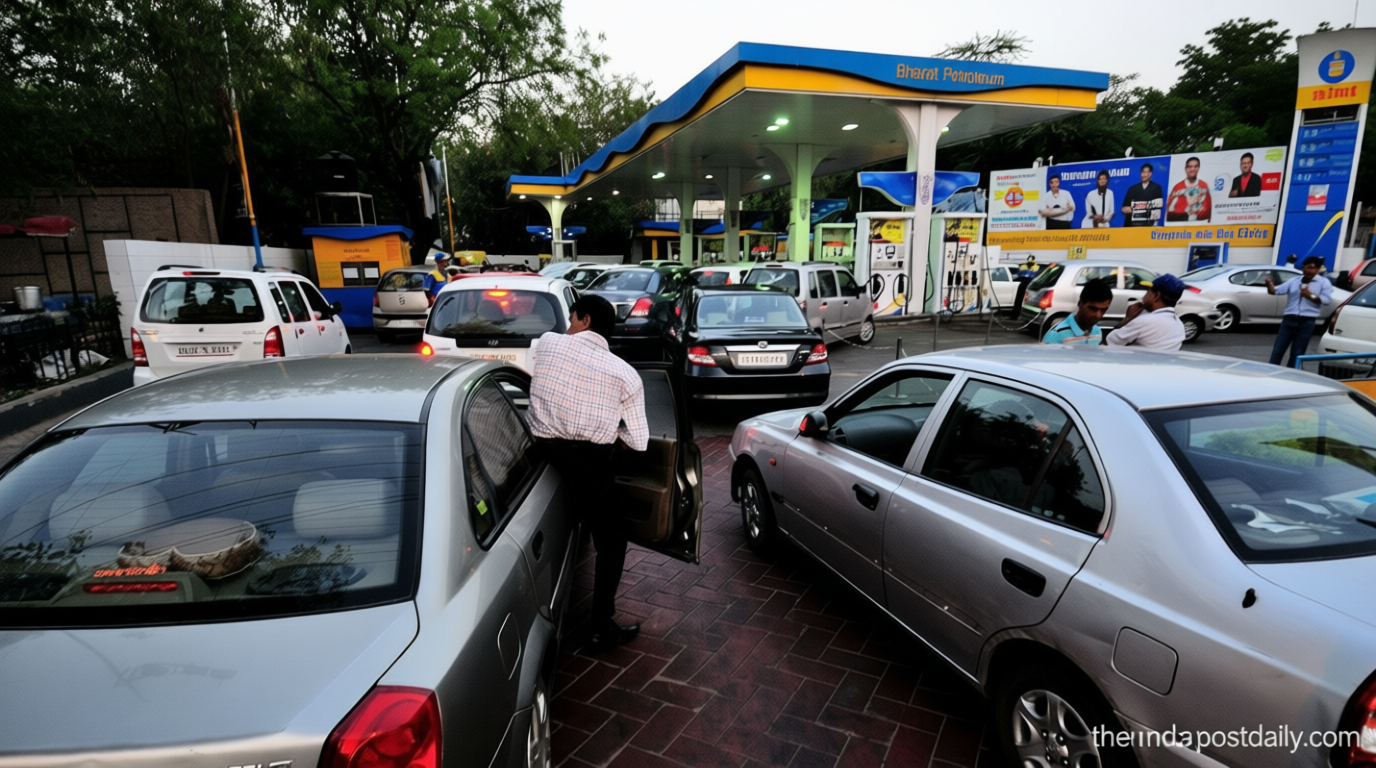
Petrol Diesel Prices Today 25 July: Fuel Rates Remain Stable Amid Global Tensions
Theindiapostdaily.com – Petrol diesel prices today 25 July show retail fuel rates across India holding steady on Saturday despite easing global crude oil prices. After crude briefly touched triple-digit territory, prices have retreated, yet Indian consumers continue to see petrol and diesel aligned with the 25 May price adjustment. State-run oil marketing companies have maintained domestic fuel rates, insulating households from international market volatility. Shoppers can check the latest petrol and diesel price in their city for 25 July through official OMC channels or fuel price tracking platforms.
US-Iran Conflict Continues to Impact Energy Markets
The West Asian conflict entered its fourteenth consecutive day of fighting on Saturday following the collapse of a ceasefire agreement. Iran has targeted American military installations around the Persian Gulf, while the United States has demonstrated no intention of withdrawing from the region. US embassies across West Asia have issued alerts to American citizens amid escalating hostilities. Iran’s Revolutionary Guard has simultaneously advised residents of neighboring nations to avoid proximity to US bases and troop deployments.
Control of the strategic Strait of Hormuz has become a central point of contention. The Strait of Hormuz serves as a critical maritime chokepoint through which approximately one-fifth of global oil supplies pass. Yemen’s Houthi movement, backed by Iran, has intensified attacks on Saudi oil tankers navigating the Red Sea. These attacks have disrupted commercial shipping routes extending through the Suez Canal, adding pressure to global fuel supply chains.
Theodore Bunzel, head of geopolitical advisory at Lazard Asset Management, warned that continued escalation could severely impact energy markets. “If escalation continues and the Strait of Hormuz remains closed, the impact will land on an energy market with far less resilience than in the spring,” he stated according to AP reports.
Brent Crude Retreats From Triple-Digit Levels
Maritime tensions drove Brent crude prices higher this week, but the global benchmark has since pulled back from the $100 per barrel milestone. On Friday, Brent crude fell approximately 4 percent to settle near $97 per barrel, marking its most significant single-day decline since late June. This price movement comes after US missiles struck multiple targets across Iran on Friday. US President Donald Trump pledged substantial military consequences for Tehran during the escalation.
During a Friday Oval Office meeting, President Trump described the ongoing negotiations with Iran as “by far the most serious that we’ve seen.” He emphasized that the United States is “not in a hurry” to conclude the conflict, according to AP coverage. Meanwhile, Iranian officials have maintained a firm stance, with Foreign Minister Abbas Araghchi declaring that the Islamic Republic “will not bow to US” pressure. Araghchi noted in an interview with Tasnim news outlet that discussions with China and Russia frequently diverge from American positions.
An Omani delegation arrived in Tehran on Friday to explore options for reopening the Strait of Hormuz and managing commercial shipping traffic. According to Axios, the United States and United Kingdom plan to convene a high-level meeting in London next week. This gathering aims to establish an international coalition dedicated to protecting commercial vessels transiting the Hormuz waterway. Extended cargo disruptions are generating widespread economic concerns as fuel costs continue climbing globally.