Abhijeet Dipke hopes PM Modi apologises in tonight’s video — ‘…to all girls whom police beat with brutality’
Abhijeet Dipke hopes PM Modi will issue a formal apology in his upcoming video message regarding the violent police response against young female protesters
Abhijeet Dipke Hopes PM Modi Apologises for Police Brutality
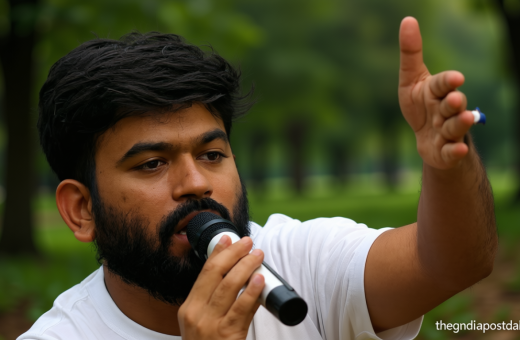
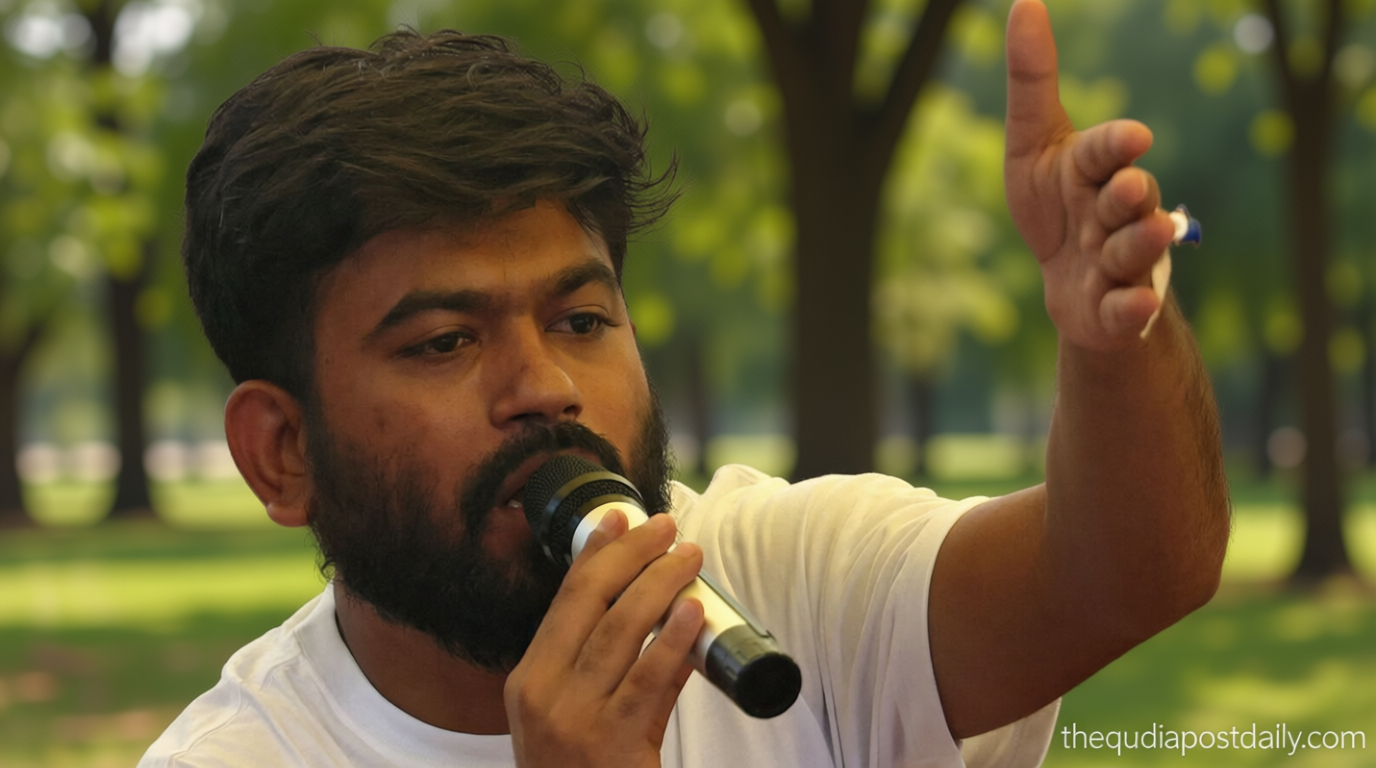
Theindiapostdaily.com – Abhijeet Dipke hopes PM Modi will issue a formal apology in his upcoming video message regarding the violent police response against young female protesters. The founder of the Cockroach Janta Party, which has been instrumental in coordinating large-scale anti-NEET demonstrations throughout Delhi, has publicly called for the Prime Minister to acknowledge the harsh treatment meted out to students. His appeal specifically highlights the July 20 Sansad Chalo march, where Delhi Police deployed lathi-charges that left many participants injured, with particular attention on the severe beatings suffered by young women.
The activist’s video statement emerged on the X platform shortly after the Prime Minister released a video appeal asking citizens to “forgive” younger demonstrators who had used offensive language toward both the head of government and his late mother. Dipke’s commentary came at a moment when public discourse was divided over whether the initial apology was sufficient or if additional acknowledgment was needed for the physical violence that occurred during the protest.
Understanding the July 20 Confrontation
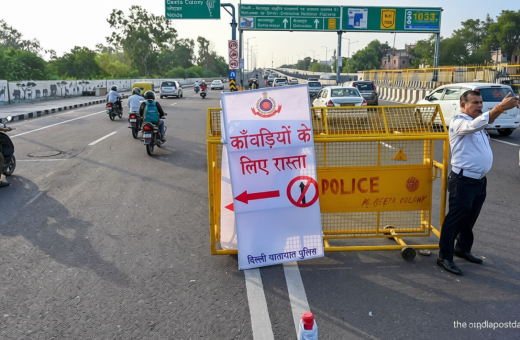
The parliamentary march that began peacefully eventually escalated into a violent confrontation when law enforcement officers deployed their lathis alongside tear gas canisters. The Supreme Court of India subsequently observed that non-violent protests should not warrant such aggressive responses and recommended that separate investigations be conducted into the incident. This judicial observation added weight to the demands being made by various civil society groups and political activists.
“Hope Modi ji will apologize for lathi-charge,” Dipke remarked while addressing the Prime Minister’s recent ‘forgiveness’ Reel that had generated considerable discussion on social media platforms.
The activist expressed genuine optimism that the Prime Minister might release another video message on the same evening to specifically address the violence against young girls during the July 20 police brutality incident. Additionally, he mentioned that the apology should also cover allegations of sexual harassment by police officers that had been raised by several female protesters following the confrontation.
“Yesterday, we all saw Modi ji’s video where he was saying that he is forgiving the children. I think Modi ji will post a new video tonight as well, so I hope Modi ji will apologise in that video,” Dipke stated with conviction, emphasizing the need for comprehensive acknowledgment.
Detailing the Specific Allegations
Dipke emphasized that any formal apology should specifically cover the lathi charge incident and the manner in which it was conducted. He provided detailed accounts of how twelve-year-old girls had their heads struck by police batons during the chaotic scene. According to his observations, male officers tore the clothing of several young girls during the assault and even hit their private areas with lathis, causing both physical and emotional trauma.
“So, I want Modi ji to apologise in tonight’s video to all those girls whom the police beat with such brutality,” he added, calling for recognition of the specific harm inflicted on the youngest participants of the protest.
Examining the Political Context
During a late-night video message on Friday, the Prime Minister shared that he felt deeply distressed upon learning that his late mother had received “filthy abuses” at Jantar Mantar. He described experiencing “cultural shock” regarding the vocabulary used by female protesters and simultaneously advocated for pardoning these “misguided children,” suggesting that young people deserve guidance rather than harsh punishment.
Dipke had previously questioned whether the Prime Minister intended to forgive students merely through a Reel or would also ensure that their legal cases get withdrawn. This distinction between symbolic forgiveness and concrete action has been a point of contention among various stakeholders who have been following the developments closely.
Gen Z Protesters and Digital Response
Young demonstrators responded to criticism in ways that internet users characterized as typical Gen Z behavior—transforming negative attention into engaging content. The Cockroach Janta Party highlighted one particularly satirical Reel featuring a female protester who created an impressive PowerPoint presentation after BJP supporters attempted to discredit her by labeling her “Babar ki Virasat.” This creative response demonstrated the resilience and digital literacy of the younger generation.
“You just can’t beat Gen Z,” the party commented alongside the viral video that quickly gained traction across multiple social media platforms.
The ongoing situation continues to evolve as various political actors, civil society organizations, and ordinary citizens await the Prime Minister’s response. The outcome of this situation may have broader implications for how future protests are handled and how the government communicates with its youngest citizens during times of civic engagement and dissent.