Petrol and diesel prices today — 12 July: Fuel rates in Delhi, Mumbai, Bengaluru, Kolkata as Iran closes Hormuz
Petrol and Diesel Prices Today: 12 July Fuel Rates in Delhi, Mumbai, Bengaluru, Kolkata Amid Hormuz Closure Petrol and diesel prices today - India’s petrol
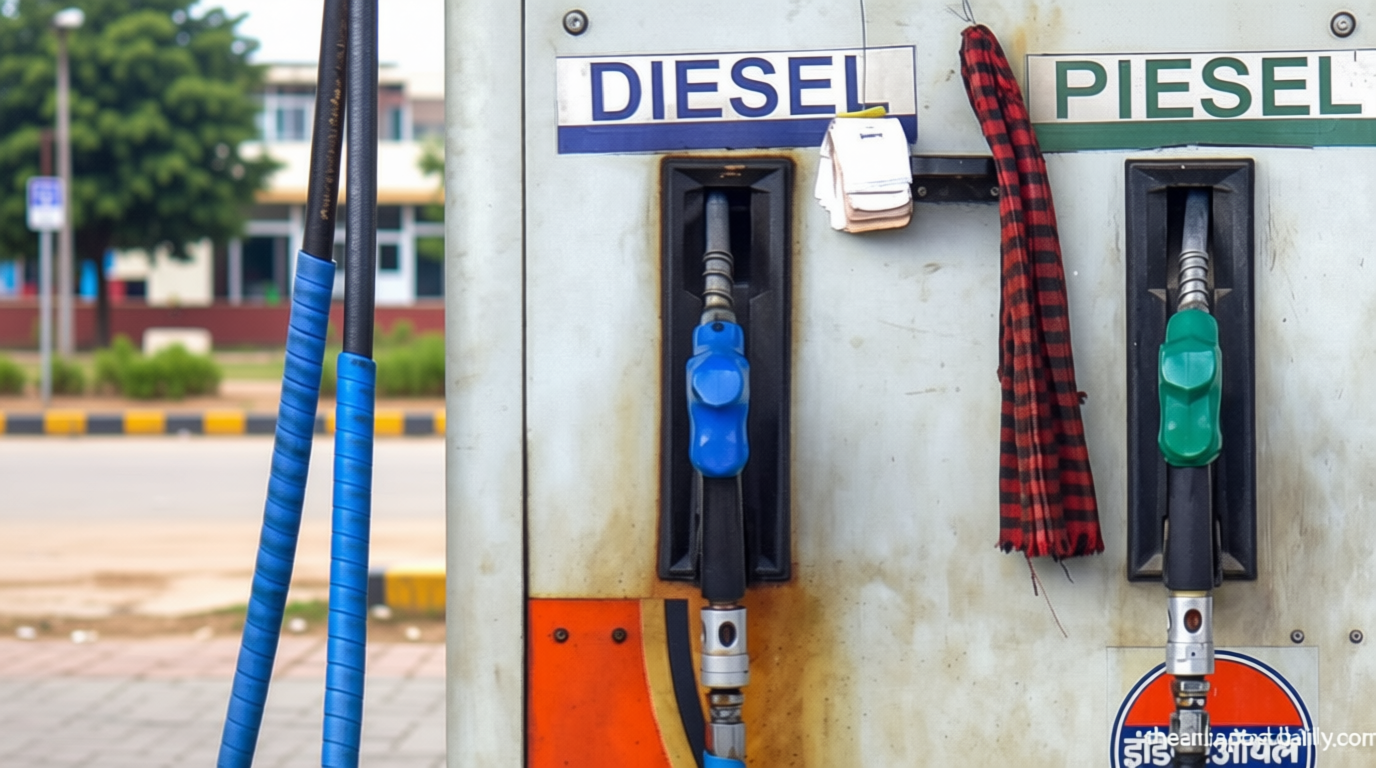
Petrol and Diesel Prices Today: 12 July Fuel Rates in Delhi, Mumbai, Bengaluru, Kolkata Amid Hormuz Closure
Theindiapostdaily.com – India’s petrol and diesel prices today remained stable on 12 July, with no significant changes recorded in major cities like Delhi, Mumbai, Bengaluru, and Kolkata. Retail fuel rates held steady despite ongoing geopolitical tensions that have shaken global oil markets, particularly after Iran’s decision to close the Strait of Hormuz. The situation has prompted concerns over potential supply disruptions, yet domestic prices showed resilience. This stability comes amid rising global oil benchmarks and renewed hostilities in the Persian Gulf, which have kept energy markets in flux.
The recent closure of the Strait of Hormuz by Iran has raised alarms about the impact on fuel prices. While Brent crude prices fluctuated due to the crisis, India’s domestic prices remained unchanged, reflecting the country’s strategic oil reserves and import management. The move by Iran, following an attack on a Cyprus-flagged container ship, has intensified debates over the balance between national security and economic stability. However, for now, the immediate effect on India’s petrol and diesel prices today appears minimal, as the government and oil companies monitor the situation closely.
Geopolitical Developments and Fuel Market Dynamics
The Strait of Hormuz, a critical chokepoint for global oil and LNG trade, has become a flashpoint in the escalating conflict between Iran and the US. Iran’s announcement to close the waterway until further notice has heightened fears of supply chain bottlenecks. Despite this, India’s fuel prices today have not yet reacted significantly, thanks to its diversified approach to oil imports and the buffer provided by strategic reserves. Analysts suggest that while the closure could influence future price trends, immediate volatility has been mitigated by market mechanisms and government interventions.
“The closure of the Strait of Hormuz will disrupt global oil flows, but India’s ability to manage supply chains ensures that petrol and diesel prices today remain unaffected,”
— stated by a petroleum analyst in a recent report. This sentiment underscores the interplay between geopolitical events and domestic fuel pricing, emphasizing how India’s strategic position allows it to navigate external uncertainties with relative calm.
Impact on Indian Economy and Public Sentiment
The closure of the Hormuz strait has sparked a wave of anxiety among Indian consumers, who rely heavily on imported crude oil. While petrol and diesel prices today stayed the same, the potential for future price hikes has already begun to affect public sentiment. The petroleum ministry has reassured that the country’s existing reserves and infrastructure are sufficient to meet current demand, but the long-term implications of this crisis remain a topic of discussion. As India’s fuel prices today remain stable, the focus now shifts to how the government will manage potential disruptions in the coming weeks.
Amid the geopolitical tensions, the E20 petrol controversy has added another layer of complexity. AAP leader Arvind Kejriwal highlighted the challenges posed by E20-blended fuel, which reduces octane ratings and affects vehicle performance. Drivers in Delhi reported lower fuel efficiency and mechanical issues, raising concerns about the long-term impact of this blend on India’s petrol and diesel prices today. The Ministry of Petroleum and Natural Gas defended the E20 initiative, citing environmental benefits, but the public’s reaction has underscored the need for clearer communication and gradual transitions in fuel composition.
“E20 petrol may offer environmental advantages, but its impact on everyday users cannot be ignored. The government must ensure that the shift to this blend does not undermine the stability of petrol and diesel prices today,”
— noted in an industry analysis. This highlights the delicate balance between sustainability goals and economic affordability, especially for a population that depends heavily on affordable fuel for daily activities.
Broader Implications for Global Oil Markets
India’s petrol and diesel prices today are not just a local issue but are also influenced by broader global oil market dynamics. The closure of the Hormuz strait has led to a temporary spike in Brent crude prices, which could ripple through India’s pricing mechanisms in the coming days. Experts warn that any prolonged closure could push prices higher, particularly as the country’s demand for crude oil remains robust. The situation underscores how interconnected the global fuel market is, with geopolitical events directly impacting both international and domestic price trends.
As the conflict in the Persian Gulf intensifies, the oil market faces a critical juncture. The potential for supply disruptions has already affected global trade, with prices fluctuating in response to news of naval confrontations and diplomatic standoffs. India’s ability to maintain stable petrol and diesel prices today, despite these challenges, is a testament to its strategic reserves and efficient distribution network. However, the country’s long-term fuel price trends will depend on the resolution of the Hormuz dispute and the stability of global oil markets.