OMCs may review petrol, diesel prices in 2-3 months if crude stays low, says Minister Puri
OMCs May Adjust Petrol and Diesel Prices if Crude Prices Stay Low Theindiapostdaily.com – India's Union petroleum and natural gas minister, Hardeep Singh Puri, has indicated that state-run oil marketing…
OMCs May Adjust Petrol and Diesel Prices if Crude Prices Stay Low
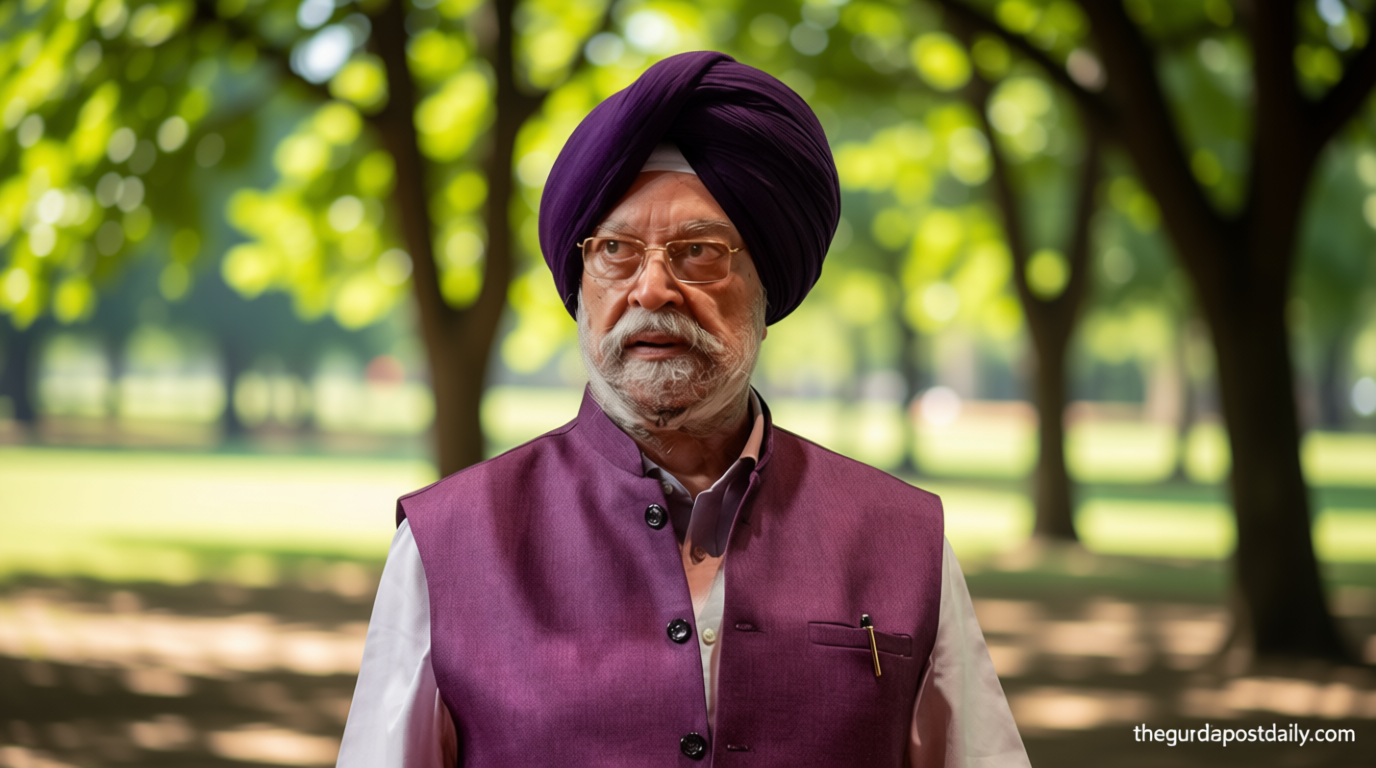
Theindiapostdaily.com – India’s Union petroleum and natural gas minister, Hardeep Singh Puri, has indicated that state-run oil marketing companies (OMCs) might reconsider petrol and diesel pricing within the next two to three months if global crude oil prices continue to decline. During a recent press briefing, Puri addressed concerns about the current fuel price scenario, emphasizing that OMCs have been absorbing price fluctuations rather than immediately transferring them to consumers.
Global Crude Trends and Pricing Strategy
The minister highlighted that OMCs have retained fuel stocks acquired at higher prices, which included increased insurance and freight costs due to supply chain disruptions. If crude prices remain low for the next few months, this could trigger a reassessment of retail fuel prices, he noted. Puri’s comments reflect the ongoing tension between maintaining affordable fuel costs for consumers and managing the financial pressures faced by OMCs during periods of volatility.
“The question is, when will you break prices down? Well, they are still carrying the stock which was bought at a higher price with higher insurance, higher freight rates. If this persists, then that would be a legitimate question,” Puri remarked.
Recent international crude price declines have been influenced by the Iran-US agreement on June 17, which helped ease regional tensions and stabilize oil markets. Brent crude, a major benchmark, dropped to a four-year low of $70.37 per barrel, down from its peak of $126.41 in early April. As of 7:55 pm, the September Brent contract was trading at $70.78 per barrel, marking a 1.09% decline from the previous session. This sustained low in crude prices has positioned OMCs to potentially revisit pricing strategies.
Puri defended the government’s decision to delay price reductions, citing the broader global context. While petrol prices in developed nations and neighboring countries rose by around 20% and 35% respectively during the recent price surge, India’s increase remained at 5.58%. He explained that excise duty cuts implemented in November 2021, May 2022, and March 2026 had mitigated the impact on consumers, allowing OMCs to stabilize prices despite rising international costs.
Following Puri’s remarks, private refiner Nayara Energy adjusted its petrol and diesel prices, bringing them in line with those of state-run OMCs. The company reduced petrol prices by ₹5 per litre and diesel prices by ₹3 per litre, aligning with the rates at Indian Oil Corp. Ltd (IOCL) outlets in Delhi. This move signals a possible shift toward uniform pricing across the industry, as OMCs remain the primary determinant of domestic fuel rates.
Financial Impacts and Market Adjustments
OMCs have faced significant financial strain due to the price hikes. Over four adjustments, petrol and diesel prices were collectively increased by about ₹7.5 per litre, resulting in cumulative under-recoveries of ₹2.19 trillion. This figure includes ₹30,720 crore from LPG sales prior to the Iran conflict, highlighting the long-term financial implications of the pricing strategy. By the end of June, OMC losses reached ₹74,781 crore, underscoring the need for a potential price review.
Puri underscored the importance of maintaining uninterrupted fuel supplies through India’s 107,000 retail outlets, even amid fluctuating global prices. The government’s intervention, including excise duty reductions and strategic stock management, has helped prevent shortages and ensure market stability. However, the minister acknowledged that sustained low crude prices could force OMCs to pass on savings to consumers, potentially leading to a price cut in the near future.
The decision to adjust prices hinges on the balance between cost recovery and consumer welfare. OMCs, which are responsible for retail pricing, have been operating at a loss for months due to the higher international costs. If crude prices remain subdued, the companies may revise their pricing to align more closely with market realities, offering relief to households and businesses dependent on fuel.