LPG prices today, 12 June: Domestic and commercial cylinder rates in Delhi, Mumbai, Bengaluru, Kolkata, and other cities
LPG prices today, 12 June, remained unchanged in several major Indian
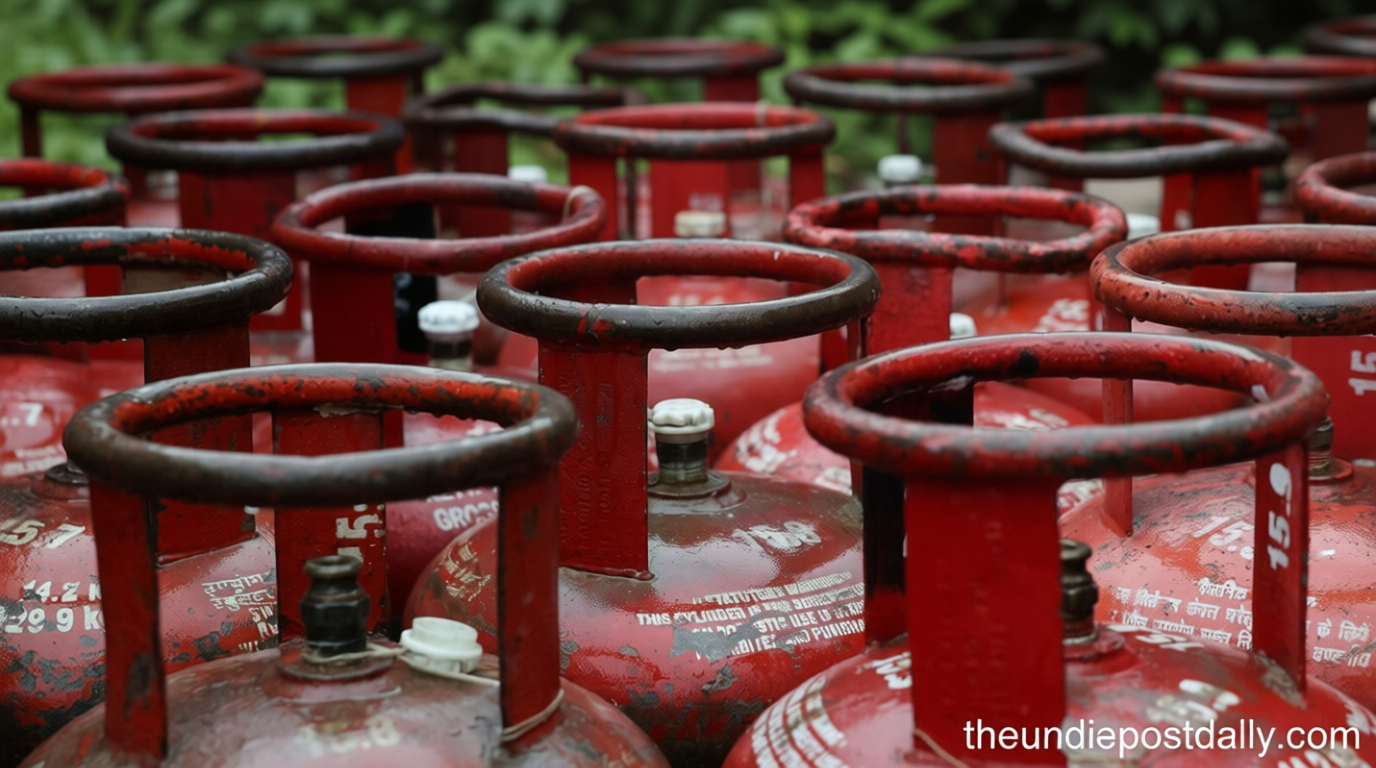
LPG Prices Today, 12 June: Updated Cylinder Rates in Key Indian Cities
Stable LPG Prices Amid Market Volatility
LPG prices today 12 June – LPG prices today, 12 June, remained unchanged in several major Indian cities, despite recent global energy shifts. This marks a notable pause in the upward trend that began with a ₹29 increase on 7 June, which was the second price adjustment in three months. Earlier in March, the domestic cylinder rates had risen by ₹60, signaling a pattern of price fluctuations driven by international market dynamics.
The latest pricing data reflects a mixed scenario across cities like Delhi, Mumbai, Bengaluru, Kolkata, and others. While the core prices stayed consistent, regional variances highlight the complex interplay of import costs, government subsidies, and local distribution mechanisms. Consumers in cities such as Hyderabad and Chennai reported slightly higher rates, indicating that the price stability is not uniform nationwide.
Global Factors Shaping Domestic LPG Prices
India’s LPG prices are deeply influenced by global market conditions, particularly the ongoing conflicts and supply chain disruptions. The fourth revision of commercial cylinder rates on 1 June was a direct response to these pressures, which have been exacerbated by the war in the Middle East and the consequent rise in international fuel prices. As of 12 June, the prices remain at a level that balances these external challenges with domestic affordability.
The Petroleum Planning and Analysis Cell (PPAC) notes that LPG consumption in FY25 has dropped 20% to 2.13 million tons, underscoring the impact of economic factors on demand. With 90% of the country’s supply relying on imports from the Middle East, any disruption in this region can send ripples through India’s pricing structure. The government’s strategic approach to subsidies aims to cushion consumers from these fluctuations.
Government Subsidy Mechanisms and Consumer Relief
As of 12 June, the 14.2-kg cooking gas cylinder prices in major cities reveal a consistent government subsidy strategy. Delhi and Mumbai, for instance, saw rates at ₹942 and ₹941.50 respectively, while Bengaluru and Kolkata maintained prices of ₹944.50 and ₹968. These figures highlight the central government’s effort to keep domestic prices low, even as the effective cost to suppliers exceeds ₹1,600 due to elevated international prices.
“Despite the rise in global fuel prices, consumers in India still benefit from substantial subsidies,” stated the government. “The latest LPG prices today, 12 June, reflect this balance between cost and affordability.”
The Ministry of Petroleum and Natural Gas has allocated ₹700 and ₹1,000 subsidies to non-Ujjwala and Ujjwala beneficiaries, respectively. These measures ensure that even as international markets fluctuate, the burden on households is minimized. The data from the Saudi Contract Price (CP) shows that import costs have surged 46% since the war disrupted supply through the Strait of Hormuz, yet domestic rates remain stable.
Regional Price Variations and Consumer Impact
While the core LPG prices today, 12 June, are consistent across major cities, minor differences persist due to regional distribution networks. For example, in Hyderabad, the 14.2-kg cylinder is priced at ₹994, slightly higher than the national average. This variation underscores the role of local market dynamics and transportation logistics in shaping final consumer prices.
“The LPG prices today, 12 June, are a result of both global and local factors,” explained industry analysts. “Though the base cost has increased, subsidies and strategic pricing have kept the final rate accessible for most households.”
Analysts point to the government’s proactive role in maintaining price stability, even amid rising import costs. The latest adjustments, however, suggest that long-term trends could shift if global crises persist. Consumers in smaller cities like Ahmedabad and Lucknow report prices aligned with the national average, indicating that the subsidy framework is effective across diverse regions.
Future Outlook for LPG Pricing
With the LPG prices today, 12 June, showing no change, the focus shifts to the next potential adjustment. Industry experts predict that the current stability might not last, given the ongoing geopolitical tensions and the recent surge in international fuel prices. The government is under pressure to balance these costs while ensuring that the subsidy system remains sustainable.
One key factor is the state-run oil marketing companies’ (OMCs) role in absorbing price fluctuations. These entities continue to bear significant losses to maintain affordable prices for consumers, even as global costs climb. The upcoming revisions may depend on the resolution of supply chain bottlenecks and the availability of alternative energy sources.