CJP shares ‘police brutality’ videos from Delhi march, claims stone pelting, tear gas assault on ‘peaceful’ protestors
CJP Shares Delhi Police Brutality Videos, Claims Tear Gas and Stone Pelting Theindiapostdaily.com – The Cockroach Janta Party (CJP) has released a series of videos from the recent Delhi protest,…
CJP Shares Delhi Police Brutality Videos, Claims Tear Gas and Stone Pelting
Theindiapostdaily.com – The Cockroach Janta Party (CJP) has released a series of videos from the recent Delhi protest, alleging that police used excessive force against demonstrators. These visuals, shared on Monday, depict scenes of protesters being struck with batons, tear gas canisters being deployed, and instances of stone pelting targeting peaceful marchers. The organization has called the actions a “brutal attack on India” and accused authorities of suppressing dissent. This marks a significant moment in the ongoing protests, which have drawn widespread attention to issues of government accountability and public safety.
Incidents at the “Chalo Sansad” Demonstration
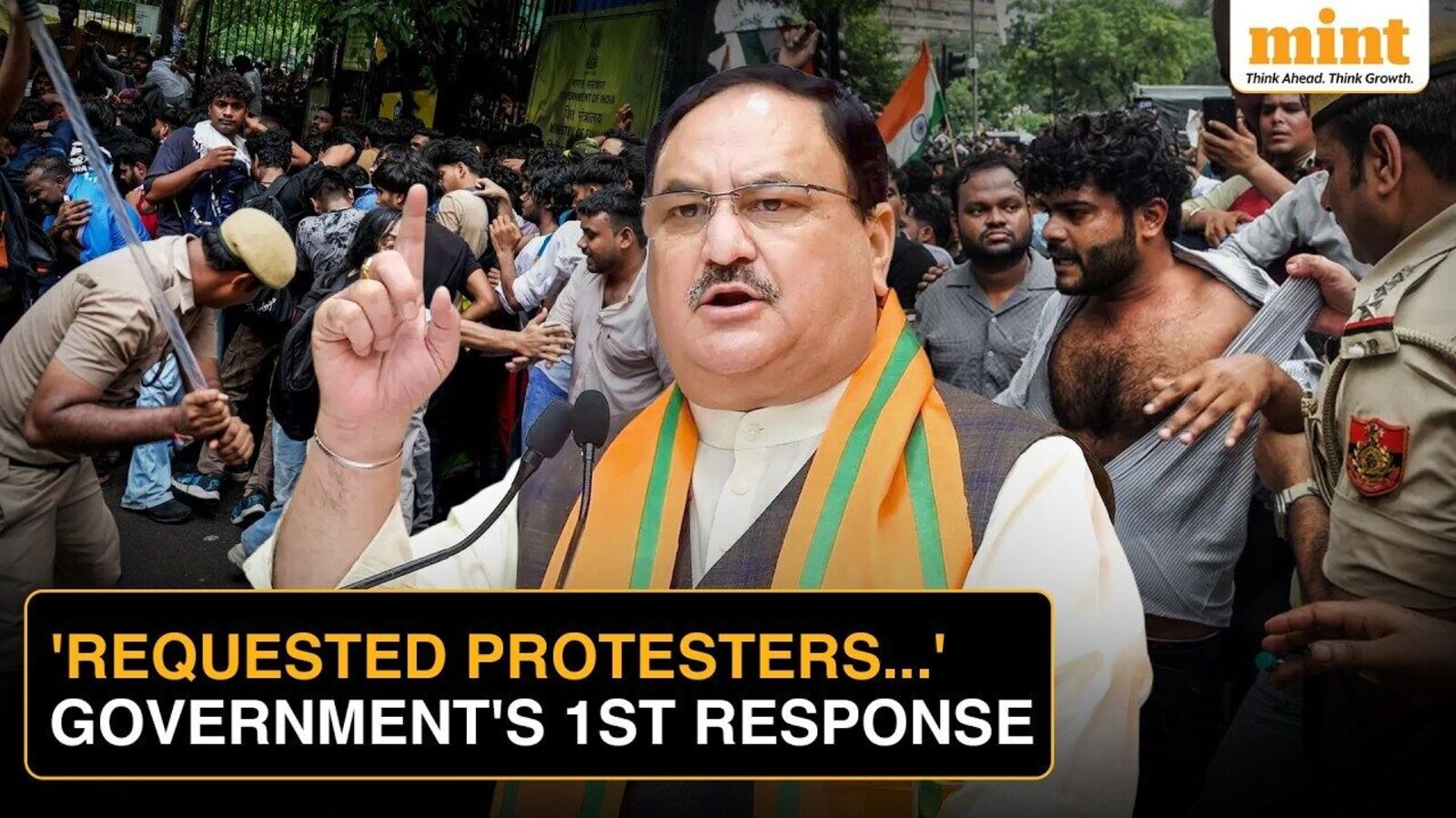
During the “Chalo Sansad” protest, CJP reported that police personnel overwhelmed protesters, allegedly using tear gas to disperse crowds and engaging in stone pelting. The group’s videos show individuals on the ground, covered in tear gas, as police officers intervene to restore order. These incidents have fueled public outrage, with demonstrators claiming that the force used was disproportionate. CJP highlighted the chaos of the event, asserting that the police’s actions were not just for crowd control but a deliberate strategy to instill fear and end peaceful advocacy.
“Is this a war zone? Why is the police resorting to tear gas assault on peaceful protesters? Sir @narendramodi, have you decided we are no longer a democracy? First your government ignored this protest for a month, and now when we are peacefully marching, your government is attacking us. Why?”
Delhi Police’s Response to Allegations
Delhi Police swiftly responded to the CJP’s claims, stating that the demonstration was managed with professionalism. They asserted that no instances of excessive force or stone pelting were documented during the event. In a statement, authorities emphasized that the protest was orderly and that any use of tear gas was in response to specific provocation. The police also encouraged citizens to verify information before sharing it, urging them to avoid spreading rumors or unverified content on social media platforms.
“Some segments from media have mentioned sporadic use of violence or detentions at Jantar Mantar by Delhi Police. It is informed that no such incident has taken place, and the protest is being handled professionally. All are requested not to fall prey to any rumour or misgivings and to assist Delhi Police in maintaining peace and public order at and around the site.”
The police reiterated their commitment to handling the protest with care, stating that they had taken necessary precautions to ensure safety. They also called for public support in their efforts to maintain harmony and prevent misinformation. Despite the CJP’s claims, the police maintained that the actions taken were justified and in line with standard procedures for crowd management.
Protesters’ Claims of Government Negligence
CJP further accused the government of ignoring the protests for weeks before resorting to force. They argued that the police’s actions were part of a larger pattern of negligence, pointing to the deaths of students linked to government failures as a key reason for the demonstrations. The group’s leaders, including Abhijeet Dipke, Saurav Das, and Ashutosh Ranka, have emphasized the need for accountability, with some even calling for the resignation of senior officials like Dharmendra Pradhan.
The CJP’s claim that the protest stage was seized by police and dismantled has added to the controversy. They highlighted the symbolic items left behind, such as a portrait of Babasaheb Ambedkar, a copy of the Indian Constitution, and a small idol, as evidence of the police’s attempt to erase the protest’s message. These items, they argued, represent the core values the demonstrators are fighting to protect.
Public Reaction and Media Coverage
The release of the CJP’s videos has sparked a mixed reaction among the public and media outlets. While some have supported the group’s allegations, others have questioned the authenticity of the footage. The debate has intensified on social media platforms, with hashtags like #CJPBrutality and #DelhiProtest trending widely. Analysts note that the incident underscores the growing polarization around the government’s handling of demonstrations and its relationship with law enforcement.
As the protest continues, the CJP’s narrative of police brutality has gained traction, particularly among those who view the government as overly aggressive. The group has called for unity and collective action, urging people to join their sit-in at Jantar Mantar. With the situation evolving, the focus on CJP sharing police brutality videos remains central to the discourse, highlighting the need for transparency and accountability in public spaces.