LPG price cut: Oil marketing companies slash commercial cylinder rate by ₹183.50 — Check updated price
India’s LPG price cut has taken a significant step forward
LPG Price Cut: Oil Marketing Companies Slash Commercial Cylinder Rates by ₹183.50
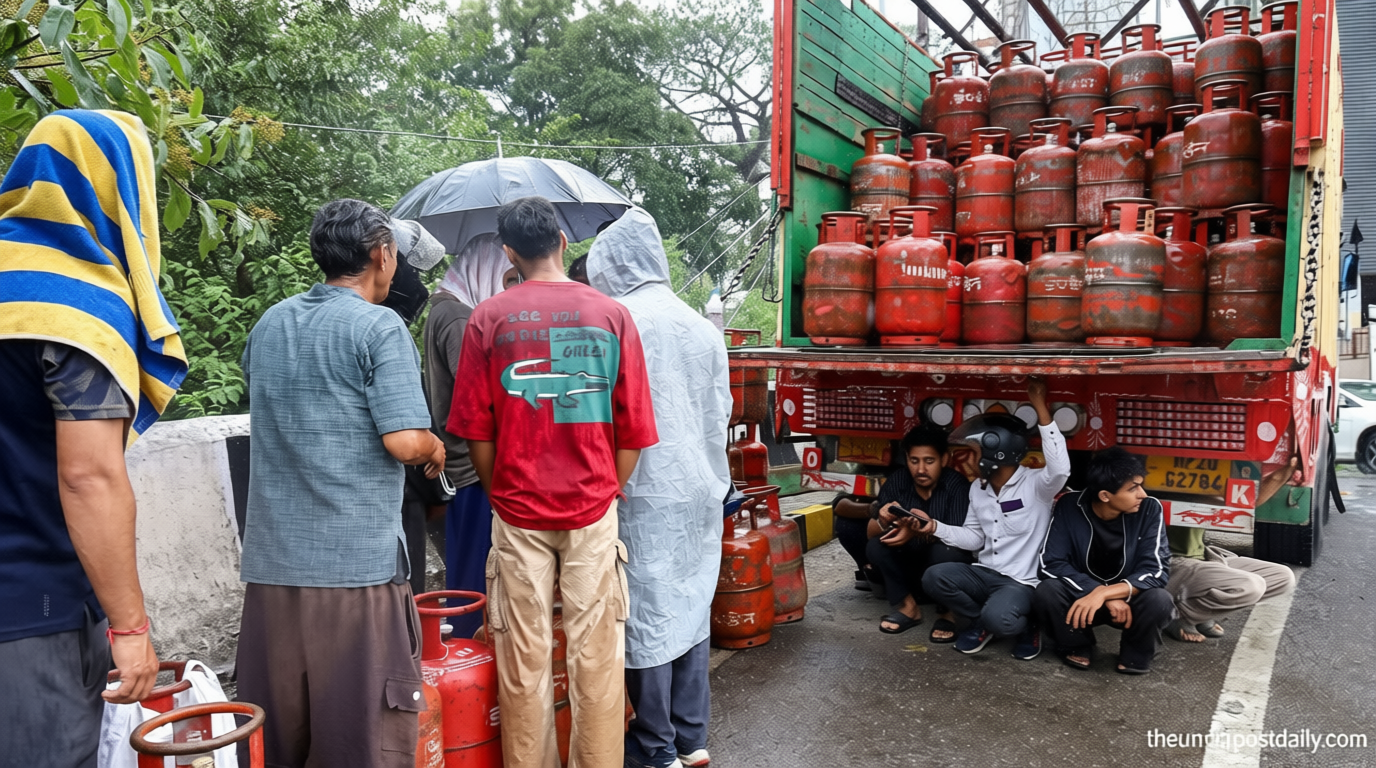
Theindiapostdaily.com – India’s LPG price cut has taken a significant step forward as major oil marketing companies announced a notable reduction in commercial cylinder rates on July 1. The cost of a 19-kg LPG cylinder, commonly used by businesses in the food and hospitality sectors, was slashed by ₹183.50, bringing the revised price down to ₹2,930. This marks the first decrease in commercial cooking gas prices this year, offering much-needed relief to industries that have been grappling with rising costs due to global energy market fluctuations. The decision comes amid a period of increased inflation, where energy prices have been a key driver of cost hikes for businesses across the country.
Global Market Dynamics Behind the LPG Price Cut
The LPG price cut in India is closely tied to broader trends in the global energy sector, particularly the impact of geopolitical tensions and supply chain disruptions. With the West Asia conflict continuing to influence oil and gas prices, oil marketing companies have been forced to adjust their pricing strategies to remain competitive. This month’s reduction, however, signals a shift in the market as global demand and supply dynamics appear to stabilize, allowing for a temporary reprieve in commercial LPG costs. Analysts suggest that the move reflects a strategic attempt to align prices with the current OSP (Official Selling Price) from Saudi Aramco, which has been fluctuating due to increased production and lower international prices.
Impact on Businesses and Consumers
The LPG price cut has sparked mixed reactions across the business and consumer communities. While companies in the restaurant, hotel, and catering sectors are expected to benefit from reduced operational expenses, the impact on households remains limited due to the unchanged domestic cylinder rates. The commercial price reduction, however, could lead to increased liquidity for small and medium enterprises, which often operate on thin margins. For consumers, the savings are more indirect, as lower business costs may translate into more affordable meal prices. This scenario underscores the importance of the LPG price cut in alleviating pressure on both sectors, albeit to different extents.
Additionally, the recent adjustment highlights the government’s role in monitoring fuel prices and ensuring they remain aligned with market realities. While the current price cut is welcomed, experts caution that it may not be a long-term trend. The Indian government has been actively working with oil companies to provide relief through subsidies and pricing controls, but the success of these measures depends on sustained global stability. The LPG price cut also serves as a precursor to potential adjustments in other petroleum products, which could further influence the economy.
Businesses that rely heavily on LPG, such as those in the catering and food service industries, are likely to experience a more pronounced effect from the price cut. For instance, a mid-sized restaurant chain could save thousands of rupees monthly, which could be redirected toward hiring, marketing, or improving customer experience. In contrast, households using smaller domestic cylinders continue to face higher prices, with the 14.2-kg cylinder rate increasing by ₹29 in early June and remaining unchanged since. This disparity raises concerns about the affordability of energy for different segments of society, even as the LPG price cut offers some respite for commercial users.
As the LPG price cut takes effect, it is crucial to monitor its long-term implications. While the immediate benefits are clear, the sustainability of this reduction depends on factors such as global oil prices, domestic demand, and government policy. Oil marketing companies have indicated that further adjustments may be made in the coming months, depending on market conditions. The LPG price cut also highlights the importance of energy affordability in India’s economic landscape, where fuel costs play a critical role in inflation and consumer spending. With this latest change, the focus remains on how businesses can leverage the lower costs to improve profitability and how the government can address the ongoing challenges in domestic pricing.