LPG cylinder prices hiked by another ₹29 as West Asia war drives up import costs
LPG Cylinder Prices Rise by ₹29 Amid Regional Conflicts and Escalating Fuel Costs LPG cylinder prices hiked by another 29 - India’s state-owned oil marketing
LPG Cylinder Prices Rise by ₹29 Amid Regional Conflicts and Escalating Fuel Costs
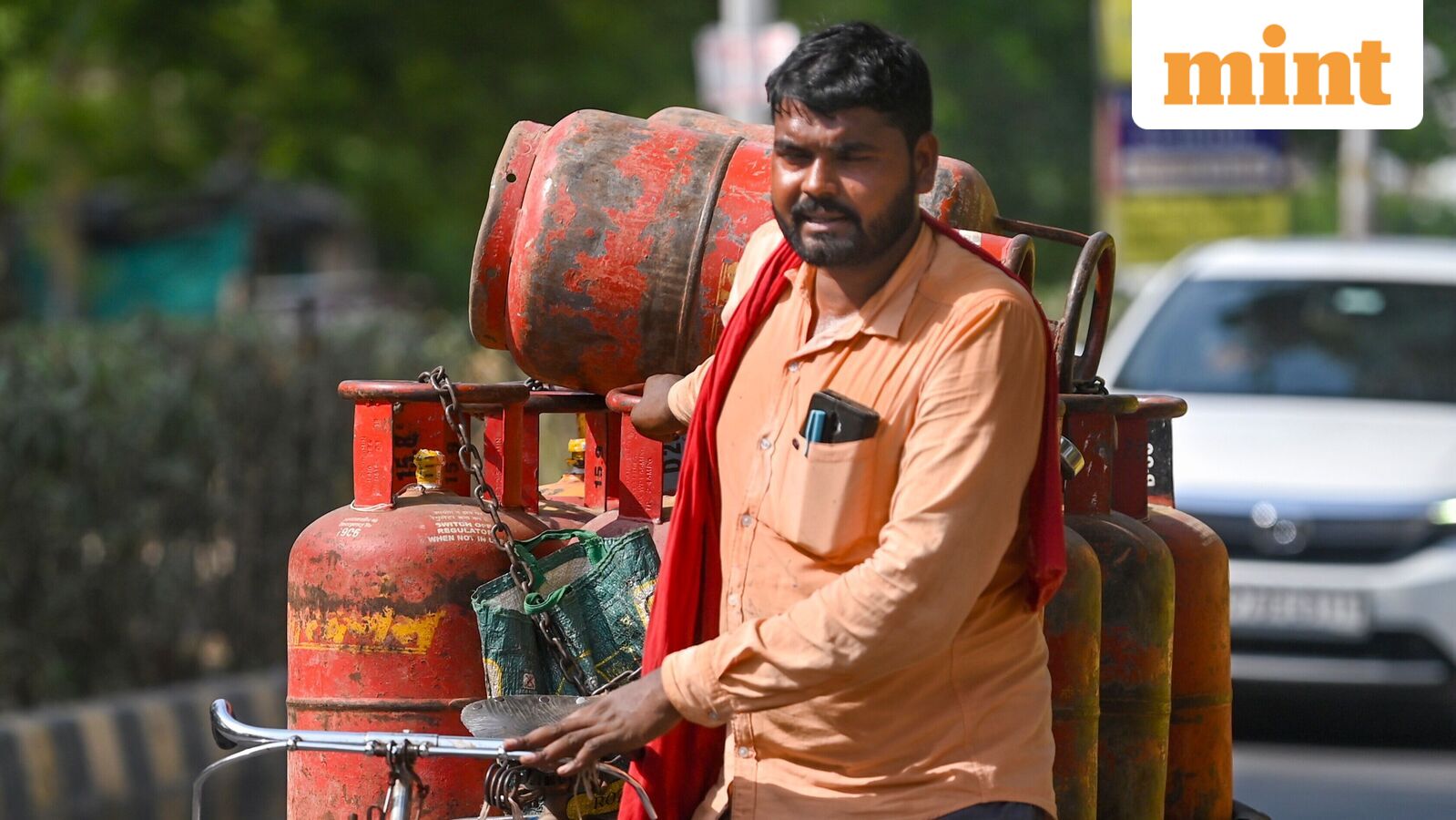
Theindiapostdaily.com – India’s state-owned oil marketing companies (OMCs) have raised LPG cylinder prices by another ₹29, effective 7 June, as tensions in West Asia push up import expenses. This marks the second price adjustment since the resumption of hostilities between Iran and the United States, following a period of subdued demand for the fuel. May’s LPG consumption hit 2.13 million tonnes, the lowest since the pandemic began, while the latest hike follows a previous ₹60 increase in March.
Global Energy Volatility Drives Domestic Price Increases
The surge in LPG cylinder prices aligns with a spike in international crude oil costs, fueled by ongoing geopolitical tensions in West Asia. The Strait of Hormuz, a critical route for 20% of global oil and gas trade, has seen blockades that disrupted supply chains and created market uncertainty. Since the conflict resumed on 28 February, Brent crude prices have hovered near $100 per barrel, leading to a sharp rise in commercial LPG prices. In New Delhi, a 19-kg cylinder now costs ₹3,113.50, up from earlier levels.
Analysts attribute the price hike to the interplay of rising import costs and global market dynamics. The Indian government’s decision to partially pass on these increased expenses reflects efforts to balance domestic affordability with international price trends. However, the full cost of supplying a 14.2-kg domestic cylinder remains untransmitted to consumers, with the under-recovery gap still persisting.
Government Policies and Consumer Support
Despite the price increase, the Indian government maintains that households continue to benefit from some of the lowest cooking gas prices globally. The Pradhan Mantri Ujjwala Yojana, which provides free LPG cylinders to economically disadvantaged families, ensures that beneficiaries receive their first four refills at a subsidized rate of ₹300 each. This support effectively reduces the cost of those refills to ₹642, shielding vulnerable populations from the full impact of the hike.
The under-recovery per cylinder—calculated as the difference between international crude costs and domestic retail prices—was previously around ₹700. With current international benchmarks, the gap has widened, and the three OMCs collectively face an under-recovery of approximately ₹300 crore daily. This financial strain is partially offset by government subsidies, though the long-term sustainability of such measures remains a concern.
Analysts caution that while subsidies help, the rising LPG cylinder prices could pressure inflation and reduce household spending. The Reserve Bank of India (RBI) recently raised its FY27 inflation forecast to 5.1%, citing global uncertainties and supply chain risks as key factors. These challenges highlight the delicate balance between domestic pricing, international markets, and fiscal stability.
Strategic Import Adjustments to Offset Price Pressures
India’s dependence on LPG imports from West Asia has been a major contributor to the recent price surge. Before the conflict, about 90% of its LPG supply came from the region, with costs linked to the Saudi Contract Price (CP), set monthly by Saudi Aramco. The June Saudi CP reached $790 per tonne, a 46% rise from pre-war levels in February. To mitigate risks, the government is diversifying sources, including partnerships with the US, Russia, and Norway, to stabilize domestic prices.
“The daily under-recovery from LPG sales by the three OMCs totals approximately ₹300 crore, representing a significant portion of the overall ₹520 crore deficit,” said Prashant Vashisht, senior vice president and co-group head at ICRA Ltd. His remarks underscore the financial implications of the price adjustments, as higher import costs continue to weigh on domestic pricing strategies.
While the price hike adds to inflationary pressures, OMCs report a cumulative net profit of over ₹77,000 crore in FY26. This profitability contrasts with the fiscal challenges posed by the under-recovery, which highlights the complex relationship between government support, international market fluctuations, and domestic affordability.