India refuses to fast-track US trade deal, rejects rushing into agreement: Report
India has chosen not to fast-track its trade agreement with the United States, signaling a
India Refuses to Fast-Track US Trade Deal, Maintains Cautious Approach
Theindiapostdaily.com – India has chosen not to fast-track its trade agreement with the United States, signaling a deliberate and measured stance in negotiations. According to a recent report by Reuters, the country is resisting pressure to expedite the deal, prioritizing the protection of its economic interests. This decision reflects a broader strategy to ensure that any agreement aligns with India’s long-term goals and does not compromise its strategic autonomy in global trade.
Key Disagreements Delay Progress
During recent talks in New Delhi, India and the US failed to resolve critical issues, leading to a stalemate in the negotiations. The primary point of contention remains India’s insistence on maintaining favorable terms, particularly in the agricultural sector. Indian officials have made it clear that they will not allow the US to gain an advantage without securing equivalent benefits for their own industries. The delay allows India to refine its demands and present a more cohesive case.
“We are not in a hurry to finalize this agreement. India refuses to fast-track the process unless it secures terms that are mutually beneficial,” explained an unnamed Indian government official. This statement underscores the country’s commitment to balancing immediate economic needs with long-term strategic gains, a priority that has shaped its approach to the trade pact.
The reluctance to compromise on agricultural policies is central to India’s position. Officials argue that these terms are non-negotiable, as they affect food security and the livelihoods of millions of farmers. Meanwhile, the US has been seeking to lower tariffs on its goods, a move that India views as potentially detrimental to its own export competitiveness. The extended timeline for the agreement provides India with the flexibility to address these concerns without feeling rushed.
US Trade Strategy Faces India’s Leverage
Washington’s strategy to secure swift concessions from India has been challenged by the nation’s economic resilience. Despite the ongoing trade tensions, India’s robust growth in merchandise exports has strengthened its bargaining position. According to Reuters, exports to Gulf nations rebounded significantly in May, reaching $5.3 billion after a dip in March, highlighting the country’s ability to weather global economic disruptions.
The US hopes to capitalize on India’s growing market by accelerating the trade deal, which could reduce tariffs on American products and open new avenues for investment. However, India’s decision to slow the process may result in higher tariffs on its exports and prolonged uncertainty for businesses. This cautious approach is seen as a strategic move to ensure that the deal reflects India’s economic priorities and not just US interests.
Economic Growth and Strategic Diversification
India’s economic performance has bolstered its ability to negotiate from a position of strength. The nation’s exports surged by approximately 15% in the April-June period, driven largely by petroleum shipments. This growth, combined with India’s expanding trade partnerships, has given it the leverage to demand favorable terms in the US deal. The interim US-Iran peace agreement also played a role in improving India’s economic outlook, according to analysts.
Goldman Sachs economist Santanu Sengupta noted that the US-Iran deal created a more favorable environment for India’s trade negotiations. The bank revised its growth forecast for India to 6.8% for 2026, citing improved global trade conditions. Additionally, the weakening rupee has enhanced the competitiveness of Indian exporters, further reinforcing the nation’s strategic advantage. These factors have allowed India to maintain its position in the talks, even as the US pushes for a faster resolution.
Implications for Bilateral Trade Relations
The delayed agreement may have broader implications for US-India trade relations. While the US seeks to strengthen economic ties, India’s approach highlights its desire to avoid a rushed process that could lead to unfavorable terms. Analysts suggest that the prolonged negotiations could result in a more comprehensive deal, covering not just trade concessions but also broader areas of cooperation. This could position India as a key player in shaping the future of global trade dynamics.
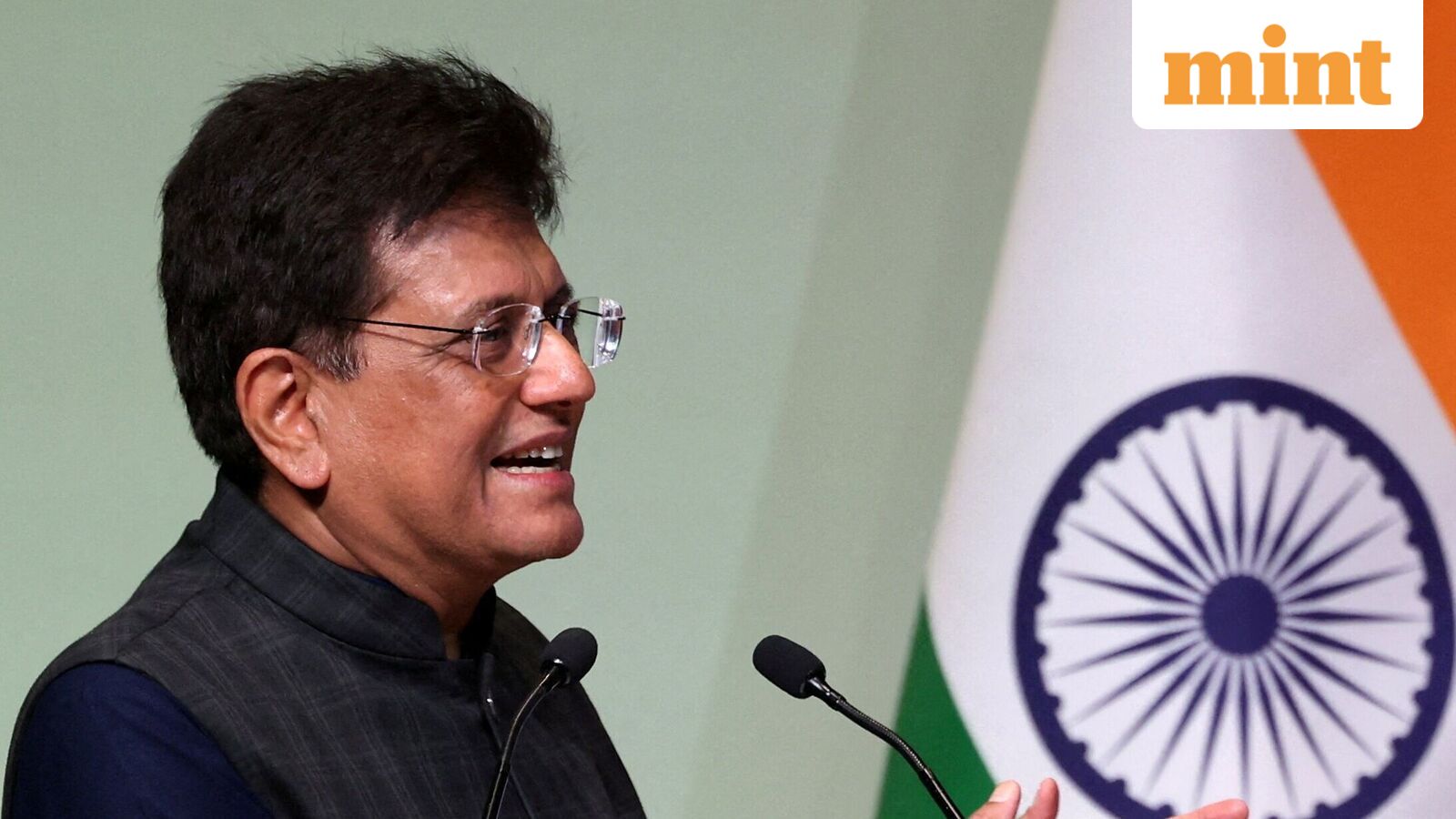
Commerce and Industry Minister Piyush Goyal reiterated India’s stance a day after the talks, emphasizing that the agreement must offer a clear advantage to Indian industries. His comments align with the government’s broader objective of protecting domestic sectors while fostering growth through strategic trade partnerships. The delay also allows time for further discussions on issues such as digital trade and intellectual property, which are critical to the final agreement.