India imports crude oil worth nearly $50 bn in Q1FY27, 40% of FY26 total crude import bill
India's Crude Oil Imports Reach $50 Billion in Q1FY27, 40% of FY26 Total Theindiapostdaily.com – India's energy imports surged in the first quarter of fiscal year 2027, with the nation…
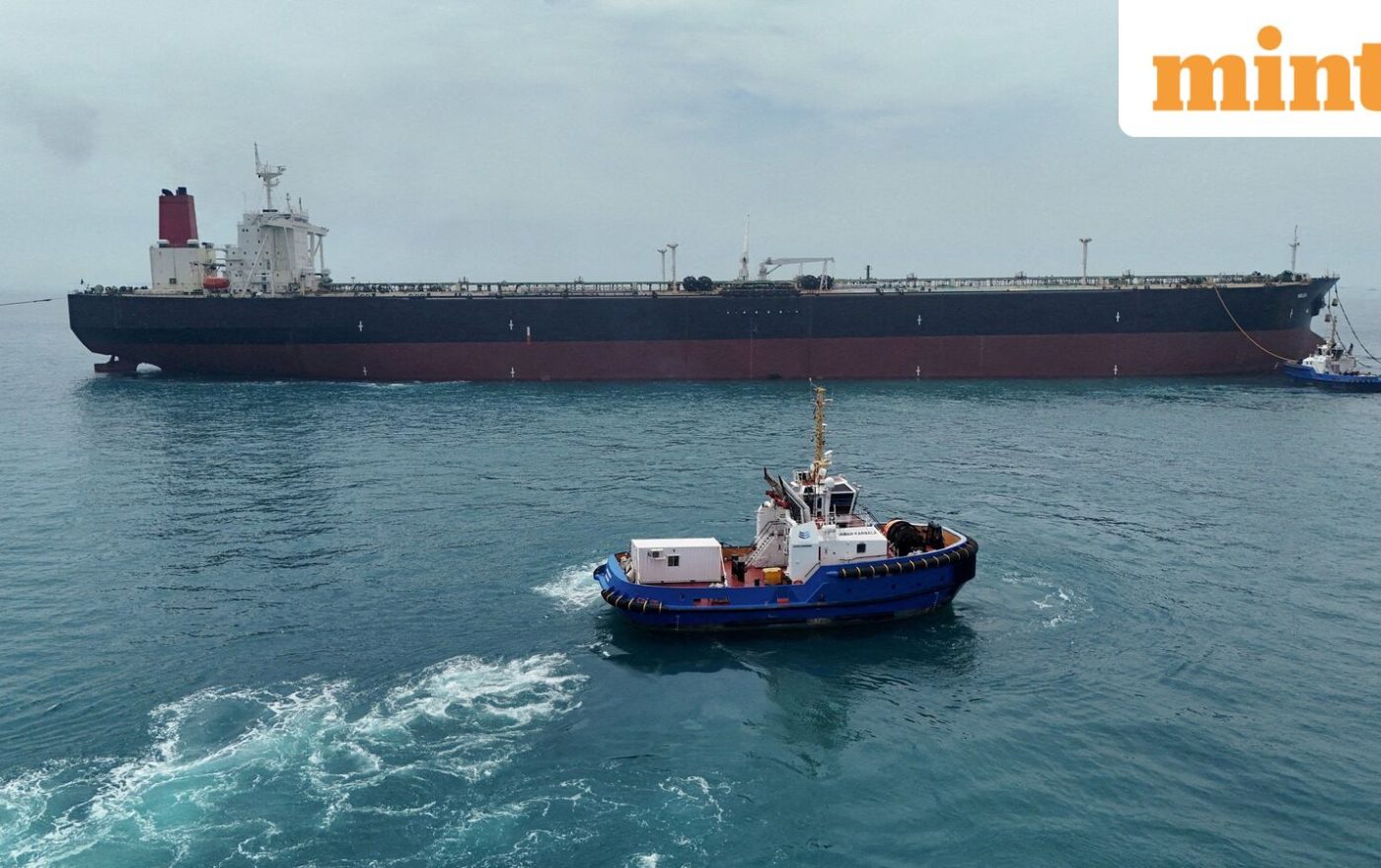
India’s Crude Oil Imports Reach $50 Billion in Q1FY27, 40% of FY26 Total
Theindiapostdaily.com – India’s energy imports surged in the first quarter of fiscal year 2027, with the nation spending nearly $50 billion on crude oil, marking a 60% increase compared to the same period last year. This significant rise is attributed to the ongoing Middle East conflict, which has reduced price discounts that previously helped ease India’s energy costs. Government data reveals that the country imported 60 million tonnes of crude during April-June 2023, a decline from 62.6 million tonnes in the prior year’s quarter. Despite the lower volume, the price of crude oil remains the dominant factor driving the import bill upward, with costs escalating due to global market dynamics and currency fluctuations.
Rising Oil Prices and Currency Volatility Heighten Costs
Brent crude prices reached a five-week high of $90 per barrel, intensifying the financial burden on India’s oil imports. The rupee’s depreciation, dropping 14 paise to 96.44 against the US dollar, further amplified this effect. Analysts note that the combination of higher oil prices and the rupee’s weakening has created a dual challenge for India’s economy, particularly as it relies heavily on imported crude to meet its energy demands. Yemen’s Houthi rebels have also signaled potential disruptions to the Bab el-Mandeb Strait, a critical route for India’s Red Sea oil supply, adding uncertainty to its energy security.
“The war in West Asia has eroded the price advantages that India once enjoyed, leading to a sharp rise in energy costs. This, coupled with the rupee’s decline, has significantly contributed to the increased import bill,” remarked Madan Sabnavis, Bank of Baroda’s chief economist. “India’s reliance on imported crude means any fluctuation in global prices or currency values directly impacts its economy.”
Russia Maintains Dominant Position Amid Shifting Market Conditions
Russia continues to be India’s largest crude supplier, with Kpler’s maritime data indicating an average of 2.6 million barrels per day shipped to the country. Venezuela, while not in first place, remains a key player, contributing 342,819 barrels daily. During April-May 2023, when the Strait of Hormuz was temporarily blocked due to geopolitical tensions, Russia imposed a premium on its oil sales. Although the discount has since narrowed to around $4 per barrel, the cumulative effect of higher prices and reduced volume has kept the import bill elevated.
Monetary Factors Exacerbate Economic Strain
The depreciation of the rupee has widened the gap between India’s import costs and its domestic currency’s purchasing power. With the currency hitting 96.44 against the dollar, the cost of crude oil in rupees has risen, further straining the economy. As crude prices climb, the financial impact on India’s trade deficit and current account deficit is expected to grow. According to C. Uday Bhaskar, director at the Society for Policy Studies, a $1 increase in crude prices could add ₹18,000 crore to the total import bill, underscoring the sensitivity of the economy to oil price movements.
“India imports crude oil worth $50 billion in Q1FY27, reflecting a sharp uptick in energy costs. The loss of previous price advantages, combined with the rupee’s decline, has created a perfect storm for the nation’s import bill,” said Bhaskar. “Sustained price spikes could challenge India’s fiscal stability and inflation control efforts.”
Broader Economic Implications of the Import Surge
The surge in India’s crude oil imports has far-reaching consequences for its economic outlook. With energy costs now accounting for a substantial portion of the import bill, the government faces pressure to stabilize prices and manage the trade deficit. The Indian government has already announced measures to hedge against price volatility, including the purchase of crude oil futures and renegotiation of supply contracts. However, these strategies may not be sufficient to offset the current upward trend, especially as global tensions persist and demand for energy remains high.
Future Outlook and Strategic Adjustments
Looking ahead, India’s energy policy may need to adapt to the new realities of higher import costs. The government is expected to explore diversifying its crude oil sources, with Africa and South America emerging as potential alternatives to the Middle East and Russia. Additionally, the Reserve Bank of India (RBI) is under scrutiny to address inflationary pressures, as rising energy costs have pushed retail inflation past its 4% target for the first time since January 2025. The recent data showing a 4.38% inflation rate in June highlights the interconnectedness of oil prices and broader economic indicators.