Do welfare schemes make the poor lazy? Economist Abhijit Banerjee shares historical data to debunk popular ‘stories’
Do Welfare Schemes Make the Poor Lazy? Economist Abhijit Banerjee Debunks the Myth with Data Do welfare schemes make the poor lazy?
Do Welfare Schemes Make the Poor Lazy? Economist Abhijit Banerjee Debunks the Myth with Data
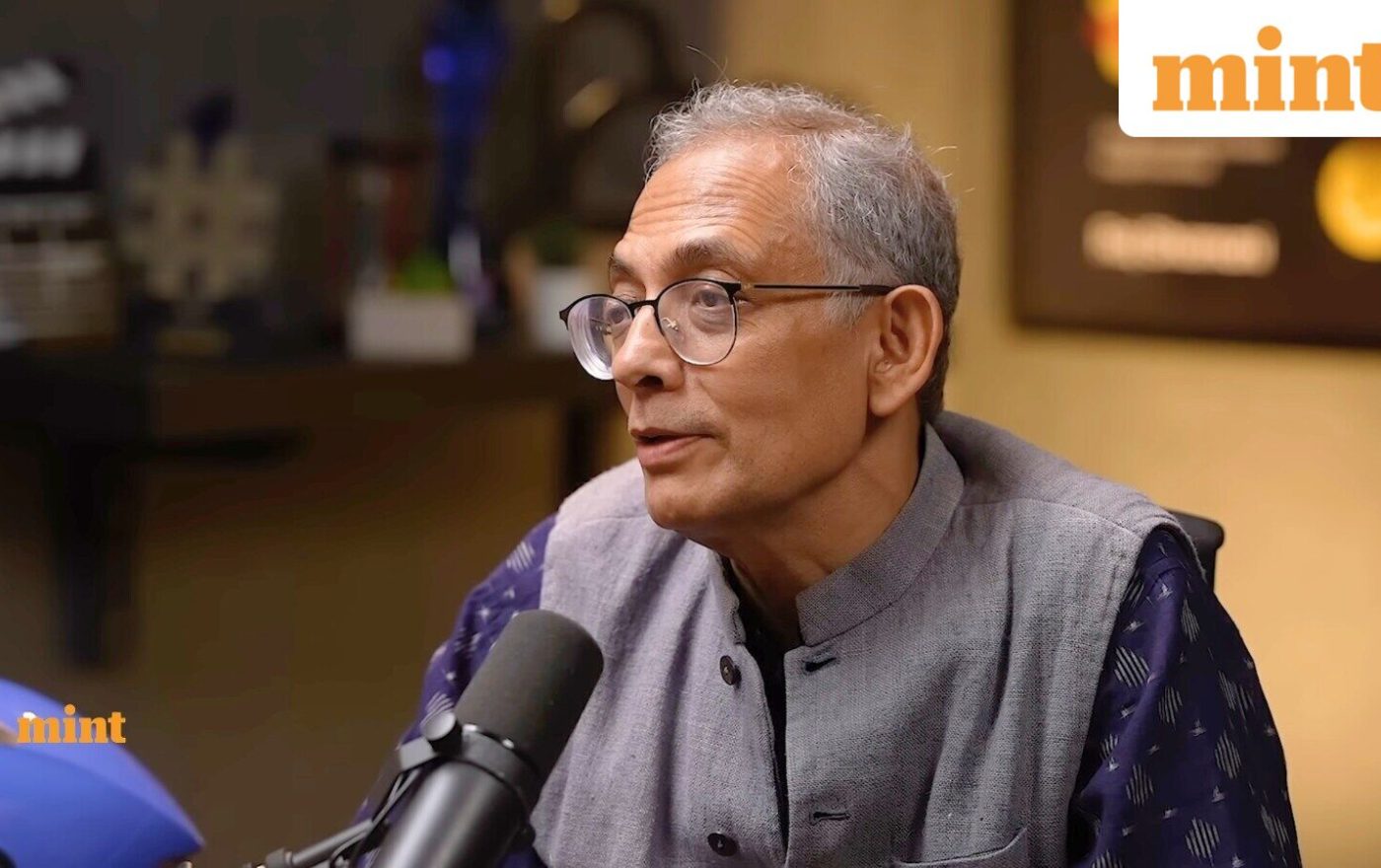
Theindiapostdaily.com – Do welfare schemes make the poor lazy? Nobel laureate and economist Abhijit Banerjee challenges this common belief, arguing that financial assistance to disadvantaged communities actually enhances productivity. In a recent YouTube conversation with Raj Shamani, he presented historical data to refute the idea that unconditional support reduces work incentives. Banerjee’s insights are rooted in rigorous empirical research, offering a fresh perspective on the role of welfare in poverty alleviation.
A Meta-Analysis of Welfare Impact
Banerjee’s conclusions are not derived from speculative theories but from a comprehensive meta-analysis of over 140 independent studies. This analysis, conducted before the restructuring of USAID programs, examined whether receiving free money led to a decline in work effort. The findings revealed a subtle but consistent trend: beneficiaries tended to work slightly more than those without such support, challenging the narrative of inherent laziness among the poor.
“They found that people who get freebies work slightly more,” Banerjee said. “Not much more, but slightly more. Not less.”
The data suggests that welfare programs, when designed effectively, do not eliminate motivation but rather sustain it. Across diverse settings, the evidence consistently shows that recipients of aid remain committed to labor, with no significant evidence of dependency. This underscores the importance of context in shaping outcomes, rather than assuming a fixed behavioral pattern among the impoverished.
The West Bengal Case Study
One of Banerjee’s key examples comes from a long-term study in rural West Bengal, initiated in 1997. Researchers identified the poorest households and provided them with small productive assets like cows, goats, or trade goods. This hands-off approach allowed individuals to choose their path, fostering a sense of agency. After 17 years, the results were striking: recipients were 40% richer, with improved consumption levels and children pursuing various employment opportunities.
“Their lives are transformed,” Banerjee concluded.
This case study highlights how targeted welfare interventions can create lasting economic mobility. By empowering individuals with resources, the program helped break cycles of poverty, demonstrating that financial support can be a catalyst for upward movement rather than a barrier to ambition.
The Bihar Program and Graduation Model
Similar outcomes were observed in a large-scale initiative in Bihar, led by the GDK under the labor ministry. The program, often humorously referred to as the “graduation programme,” aimed to lift families out of extreme poverty. A randomized controlled trial revealed that participants achieved “vastly successful” results, with measurable improvements in their standard of living. Banerjee emphasized that such programs are not just about immediate relief but about fostering long-term self-reliance.
By providing resources that enable sustainable livelihoods, the model reflects a broader strategy to combat poverty. It aligns with the idea that welfare schemes should be designed to complement, rather than replace, individual effort. The success of these initiatives challenges the notion that aid creates dependency, offering a blueprint for future policy design.
Psychology of Opportunity
Banerjee explained that the psychological effect of welfare is often underestimated. He argued that poverty itself diminishes motivation, as individuals may feel trapped without visible means of escape. “Being poor erodes the will to strive,” he noted. However, when given an opportunity, people are more likely to believe in their ability to improve their circumstances.
“When you give them an opportunity, they say, ‘Now you can have a better life, maybe. They are more enthusiastic about trying things,'”
This shift in mindset, he suggested, is universal. Most individuals desire to provide for their children and live with dignity, and welfare schemes that offer tangible resources can reignite that drive. The emotional and cognitive impact of such support is as significant as its economic benefits, making it a vital component of poverty alleviation.
Why the Myth Persists
Banerjee attributed the persistence of the “lazy poor” stereotype to a psychological bias among those who have achieved success. He noted that successful individuals often overvalue personal effort and overlook the role of external factors in their journeys. “Why do we assume poor people are psychologically different from everyone else?” he questioned, emphasizing that luck and opportunity are just as crucial as individual initiative.
“The fact that I can read and write and understand things is not an accident of my genius. It was just luck,”
By sharing his own background, Banerjee illustrated how socio-economic conditions shape outcomes. This personal anecdote reinforces the idea that welfare schemes should be viewed as enablers of opportunity, not as handouts that breed complacency. The broader implication is that effective poverty reduction requires a nuanced understanding of both individual agency and structural constraints.