Centre pushes LPG users to switch to piped natural gas amid supply strain
Centre Urges LPG Users to Transition to Piped Natural Gas Amid Supply Challenges Theindiapostdaily.com – The Indian government has intensified its push to transition domestic LPG users to piped natural…
Centre Urges LPG Users to Transition to Piped Natural Gas Amid Supply Challenges
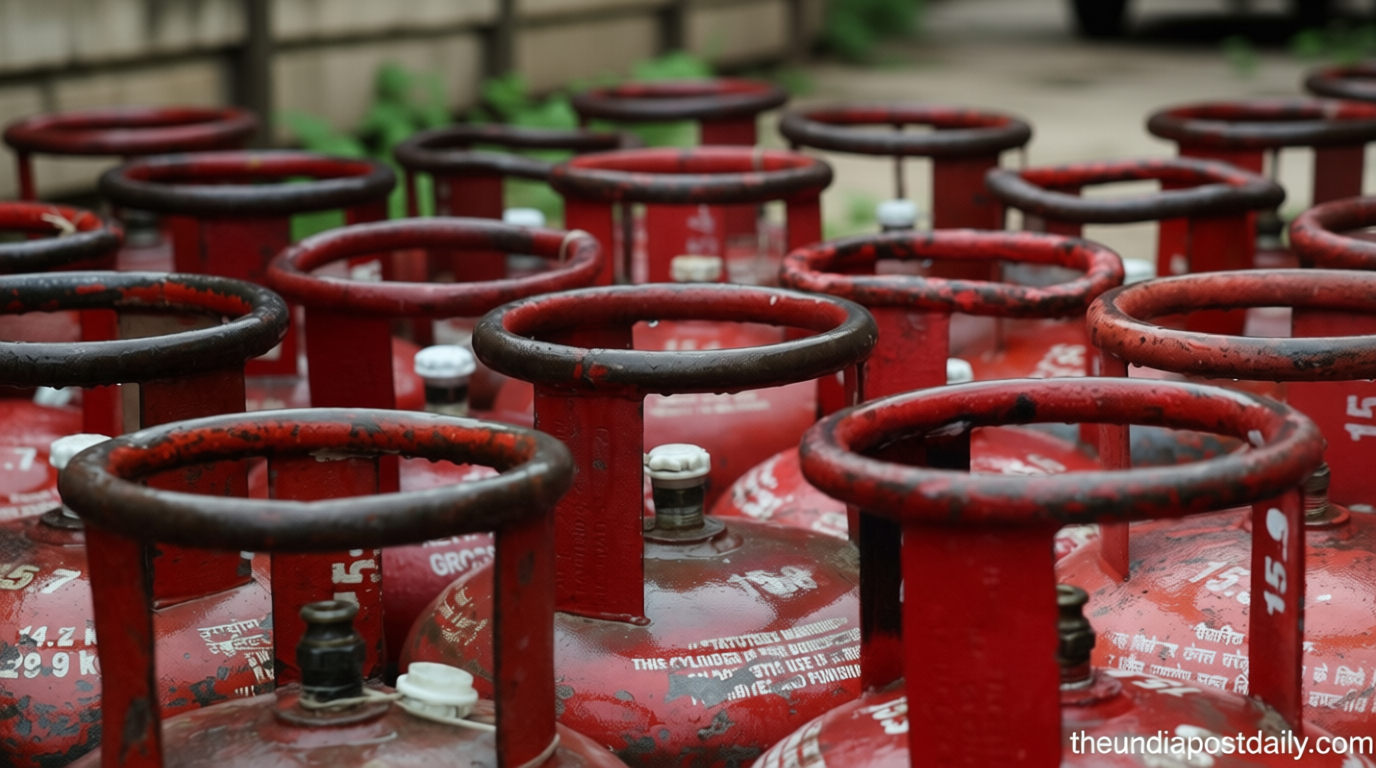
Theindiapostdaily.com – The Indian government has intensified its push to transition domestic LPG users to piped natural gas (PNG) as a strategic response to the escalating supply strain on cooking gas. With energy imports from West Asia facing disruptions due to geopolitical tensions, the Petroleum Ministry has called on state governments to accelerate the adoption of PNG in regions where infrastructure is in place. This initiative aims to reduce dependency on LPG, ease the burden on oil marketing companies (OMCs), and ensure a more sustainable energy distribution system. By encouraging a shift from traditional LPG cylinders to PNG, the government hopes to create a long-term solution to the current shortages that have left millions of households in uncertainty.
Government Strategy and Challenges in Promoting PNG Adoption
Central to this effort is the directive issued by the Petroleum Ministry to state authorities, emphasizing the need for active engagement with local administrations to promote PNG connections. Neeraj Mittal, the petroleum secretary, has underscored the financial pressures faced by OMCs, which have been exacerbated by a persistent deficit of ₹690 per LPG cylinder. This deficit, combined with the ongoing global energy crisis, has prompted the government to explore alternatives that are not only more cost-effective but also more reliable. While PNG offers a cleaner and more efficient fuel option, its adoption has been slow due to factors such as limited infrastructure, consumer hesitancy, and logistical challenges in rural and semi-urban areas.
“Field experience indicates that limited access, consumer hesitation, and regional challenges have hindered the effectiveness of previous initiatives,” Mittal noted in a recent communication. “Engaging district and urban administrations will be critical to scaling up PNG networks and ensuring equitable access across the country.”
The ministry’s strategy also involves leveraging state-level policies to incentivize the transition. This includes not only promoting PNG connections but also coordinating with local bodies to address barriers such as high installation costs and lack of awareness. The initiative is part of a broader effort to stabilize the energy market and mitigate the economic fallout from the ongoing supply strain. By aligning with states, the Centre aims to create a unified approach that can expedite the shift to PNG and reduce the financial losses associated with LPG distribution.
Policy Measures and Consumer Impact
On May 25, the government introduced a concrete policy requiring households with existing PNG connections to cease refilling LPG cylinders immediately. This measure was designed to conserve cooking gas reserves during the acute supply crisis, with a formal notice mandating that consumers either relinquish their LPG connections or obtain a transfer voucher within 30 days to continue using LPG in non-PNG regions. The policy reflects a decisive step to prioritize PNG as a long-term solution, even if it means temporarily curtailing LPG availability.
Earlier in March, similar actions were taken, urging PNG users to surrender their LPG cylinders within three months. These steps have created a ripple effect, with states now tasked to enforce compliance and ensure smooth implementation. While the policy has been met with mixed reactions, it highlights the government’s commitment to reducing reliance on LPG and stabilizing the energy supply chain. Consumers in affected areas are being urged to adapt to the new system, with the hope that increased PNG availability will eventually ease the transition.
The shift to PNG is also being driven by the need to address the growing annual losses of ₹1.38 trillion that OMCs face due to the ₹690 deficit per cylinder. These losses are further compounded by the ₹300 subsidy provided to beneficiaries of the Pradhan Mantri Ujjwala Yojana (PMUY), which collectively amounts to ₹19,000 crore yearly. By promoting PNG, the government seeks to reduce these financial burdens while also aligning with the goal of sustainable development and energy security.
Broader Economic and Environmental Implications
The Centre’s push for PNG adoption is not just a temporary measure but part of a larger economic and environmental strategy. With global energy prices on the rise and supply chains under stress, the transition to PNG is seen as a way to diversify the fuel mix and reduce vulnerability to external shocks. This move also aligns with India’s push towards cleaner energy sources, as PNG is considered a more environmentally friendly option compared to LPG, which emits higher levels of carbon dioxide when burned.
Additionally, the reduction in the number of LPG cylinders allocated under PMUY from nine to four underscores the government’s effort to balance affordability with supply constraints. This adjustment has sparked debates about the accessibility of LPG for low-income households, particularly those in rural areas where PNG infrastructure is still limited. However, officials argue that this change is necessary to ensure that cooking gas remains available for those who cannot switch to PNG immediately, while also addressing the broader economic pressures on fuel distribution.
As the policy gains momentum, the government is also focusing on accelerating the expansion of PNG networks. This includes investments in infrastructure, partnerships with state governments, and public awareness campaigns to educate consumers about the benefits of PNG. The ultimate goal is to create a more resilient energy system that can withstand future disruptions while providing a sustainable alternative for millions of households across the country.