CBI raids 6 locations linked with alleged ₹661 crore scam — IDFC First Bank, AU Finance Bank on radar
CBI Raids 6 Locations in ₹661 Crore Scam: IDFC First Bank and AU Finance Bank Under Scrutiny CBI raids 6 locations linked - The Central Bureau of
CBI Raids 6 Locations in ₹661 Crore Scam: IDFC First Bank and AU Finance Bank Under Scrutiny
Theindiapostdaily.com – The Central Bureau of Investigation (CBI) has intensified its probe into a major financial fraud, conducting raids at six locations linked to an alleged ₹661 crore scam. This operation has drawn attention to IDFC First Bank and AU Finance Bank as central figures in the investigation. The CBI’s actions underscore growing concerns about corruption and mismanagement within government and financial institutions. The scandal, which involves multiple departments and officials, has raised questions about accountability and the role of private entities in facilitating large-scale financial irregularities.
Scope of the Raids and Implicated Entities
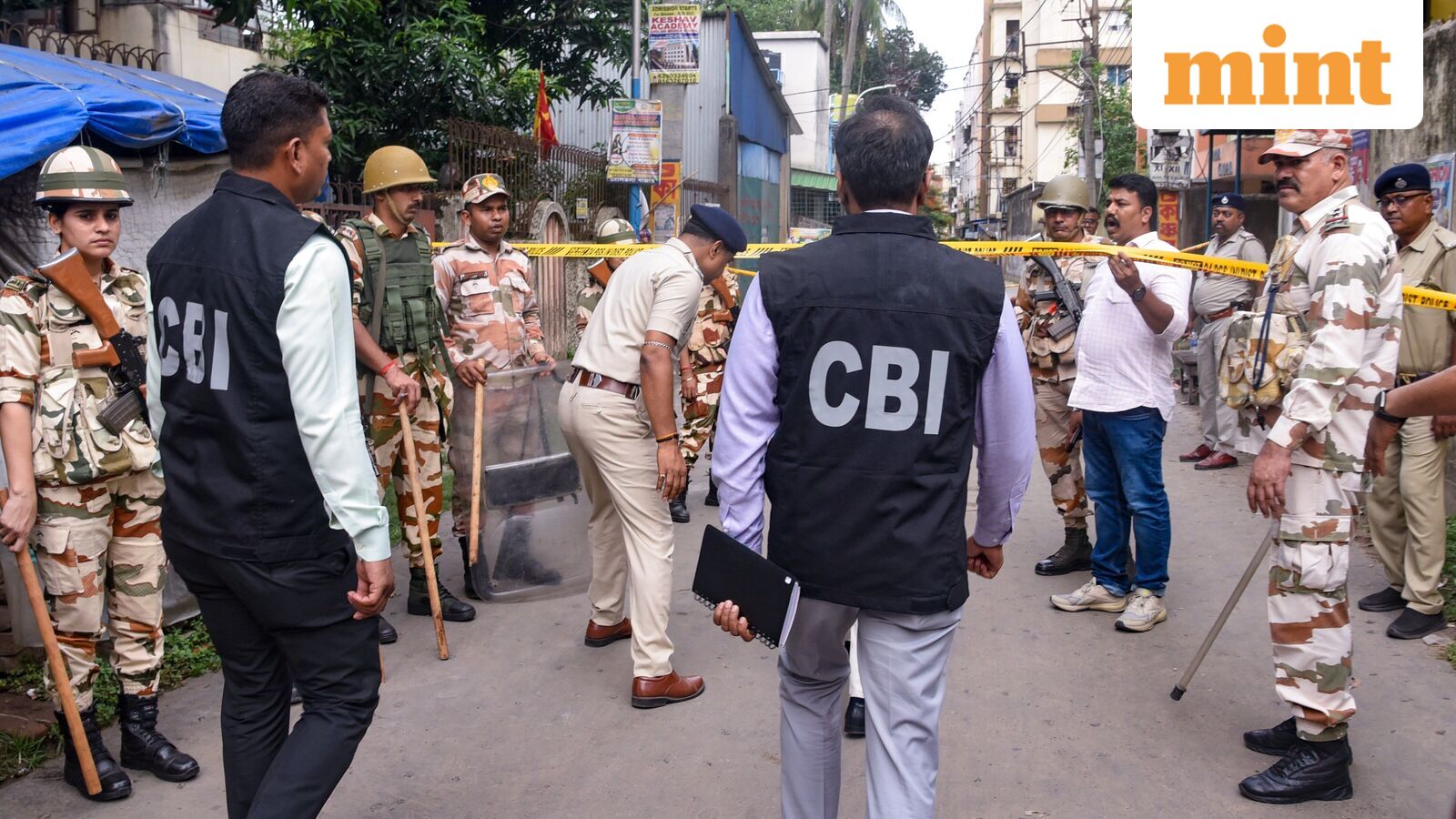
The CBI’s raids targeted key locations across Chandigarh, Panchkula, and the Delhi NCR region. These sites included residences of high-ranking Haryana government officials, as well as offices of Vipam Consultancy Pvt. Ltd., a firm suspected of orchestrating the fraudulent activities. The investigation also implicated the Union Territory of Chandigarh and CREST Chandigarh, highlighting the widespread nature of the alleged corruption. The CBI emphasized that these locations were critical to uncovering the chain of events leading to the misappropriation of public funds.
“The search operations were conducted at premises located in Chandigarh, Panchkula, and Delhi NCR, including residential premises of senior public servants of Haryana Cadre and M/s. Vipam Consultancy Pvt. Ltd., in connection with irregularities and the receipt of proceeds of crime,” the CBI stated in a recent press release.
The agency’s statement reveals the scale of the operation, which spans multiple jurisdictions and institutions. By linking these raids to the broader scam, the CBI aims to establish a comprehensive narrative of financial manipulation and collusion between public and private actors.
Collusion and Financial Manipulation
According to the CBI, the scam involved a coordinated effort between government officials and bank representatives, with the latter allegedly playing a pivotal role in enabling illicit fund transfers. The evidence points to the creation of accounts, the systematic movement of money, and the diversion of funds for personal gain. This collaboration, the CBI claims, allowed the perpetrators to siphon ₹661 crore from public coffers without immediate detection. The agency is now scrutinizing how these financial mechanisms were exploited to perpetuate the fraud.
“M/s. Vipam Consultancy Pvt. Ltd. Noida was found to have received the crime proceeds into an account, which was subsequently transferred into the Director’s personal account,” the agency reported in the press statement. This process highlights the intricate layers of financial deception, with private firms acting as intermediaries to mask the misappropriation.
The CBI’s focus on these accounts underscores the importance of tracking financial transactions to identify the flow of illicit funds. Such efforts are essential in unraveling the web of corruption and ensuring transparency in public finance management.
Investigation Takeover and Seized Evidence
The CBI has now taken over the investigation from the State Vigilance Department and the ACB Haryana, marking a significant shift in the case’s direction. Previously, two cases were filed at the Economic Offences Police Station in Chandigarh, involving criminal conspiracy, embezzlement of government funds, and related offenses. This transfer of authority signals the CBI’s commitment to a thorough and centralized probe into the scandal.
During the raids, authorities seized a variety of materials, including documents, digital devices, property records, and other incriminating evidence. These findings are expected to provide critical insights into the operations of the fraudulent network. The CBI is also examining how these assets were used to consolidate illicit gains, which could lead to further arrests and legal proceedings.
Departments and Agencies Involved
The alleged scam has implicated eight Haryana government departments, two Chandigarh Municipal Corporation departments, and CREST Chandigarh. These entities were reportedly involved in approving or facilitating the fraudulent transactions. The total amount of misappropriated funds, ₹661 crore, has intensified scrutiny on the oversight mechanisms within these organizations. The CBI is now investigating whether internal controls were bypassed or deliberately undermined to enable the scam.
Additionally, the CBI has placed IDFC First Bank and AU Finance Bank at the center of its inquiry. These institutions are suspected of having facilitated the transfer of funds through their banking systems. The agency is examining their role in the alleged financial manipulation, including potential lapses in compliance and audit procedures. This scrutiny could have broader implications for the banking sector and its relationship with government agencies.
Implications and Broader Impact
The CBI’s raids have not only focused on the immediate financial wrongdoing but also on the systemic issues that allowed the scam to thrive. The involvement of multiple departments and private banks suggests a complex network of interests, where corruption may have been embedded in routine operations. This case could serve as a benchmark for similar investigations, highlighting the need for stronger regulatory frameworks and transparency measures in public and private sectors alike.
“The CBI’s investigation into the ₹661 crore scam is a wake-up call for institutions handling public funds,” said a senior official during the press conference. “It demonstrates the importance of vigilance and accountability in preventing large-scale financial misconduct.”
The case is expected to draw attention to the interconnectedness of financial and governmental systems, prompting calls for stricter oversight and enhanced accountability protocols. As the CBI continues its probe, the focus remains on uncovering the full extent of the fraud and holding all implicated parties responsible.