Bengal Assembly amends Mamata-era OBC laws, removes 77 Muslim communities from reservation list
West Bengal Assembly Amends OBC Laws, Removes 77 Muslim Communities from Reservation List The West Bengal
Theindiapostdaily.com –
West Bengal Assembly Amends OBC Laws, Removes 77 Muslim Communities from Reservation List
The West Bengal Legislative Assembly has taken a decisive step in revising the state’s Other Backward Classes (OBC) reservation policies, marking a significant shift in the implementation of Mamata Banerjee’s era OBC laws. The amendment, passed on June 29, targets the removal of 77 Muslim communities from the OBC list, a move that has sparked widespread debate on its implications for social equity and representation. This legislative change aligns with the Calcutta High Court’s directive to recalibrate OBC quotas, reducing the state’s reservation percentage from 10% to 7% and reorganizing the OBC categories into 66 sub-groups. The decision follows a contentious session where opposition leaders, including TMC’s Leader of Opposition Ritabrata Banerjee, contested the amendments.
Legal Reforms and Quota Adjustments
The amended OBC laws, formally titled the West Bengal Backward Classes (Other than Scheduled Castes and Scheduled Tribes) (Reservation of Vacancies in Services and Posts) (Amendment) Bill, 2026 and the West Bengal Commission for Backward Classes (Amendment) Bill, 2026, aim to streamline the reservation system by addressing perceived over-expansion. The quota reduction from 10% to 7% reflects the Calcutta High Court’s emphasis on ensuring proportionality in affirmative action policies. This adjustment is part of a broader legal framework designed to enhance transparency and inclusivity, with the commission for backward classes tasked to evaluate communities based on survey data and socio-economic criteria.
“The amendments are a necessary correction to the earlier OBC list, which included communities without proper field surveys,” said Gourishankar Ghosh, the state’s Backward Classes Development minister. “We have now streamlined the categories to ensure fair representation and merit-based allocation of opportunities.”
Political Dynamics and Judicial Influence
The revisions stem from the Calcutta High Court’s May 2024 ruling that struck down the TMC government’s 2021 expansion of the OBC list, which added 113 communities—77 Muslim and 36 Hindu—without sufficient evidence. The court deemed the inclusion of these groups unconstitutional, prompting the BJP-led government to act swiftly. The new bills, approved by a majority of 186 MLAs, finalize the removal of those 77 Muslim communities, which had been excluded from the OBC framework in 2024. The amendments also streamline the reservation structure, with the state’s backward classes now divided into 66 sub-groups based on updated classifications.
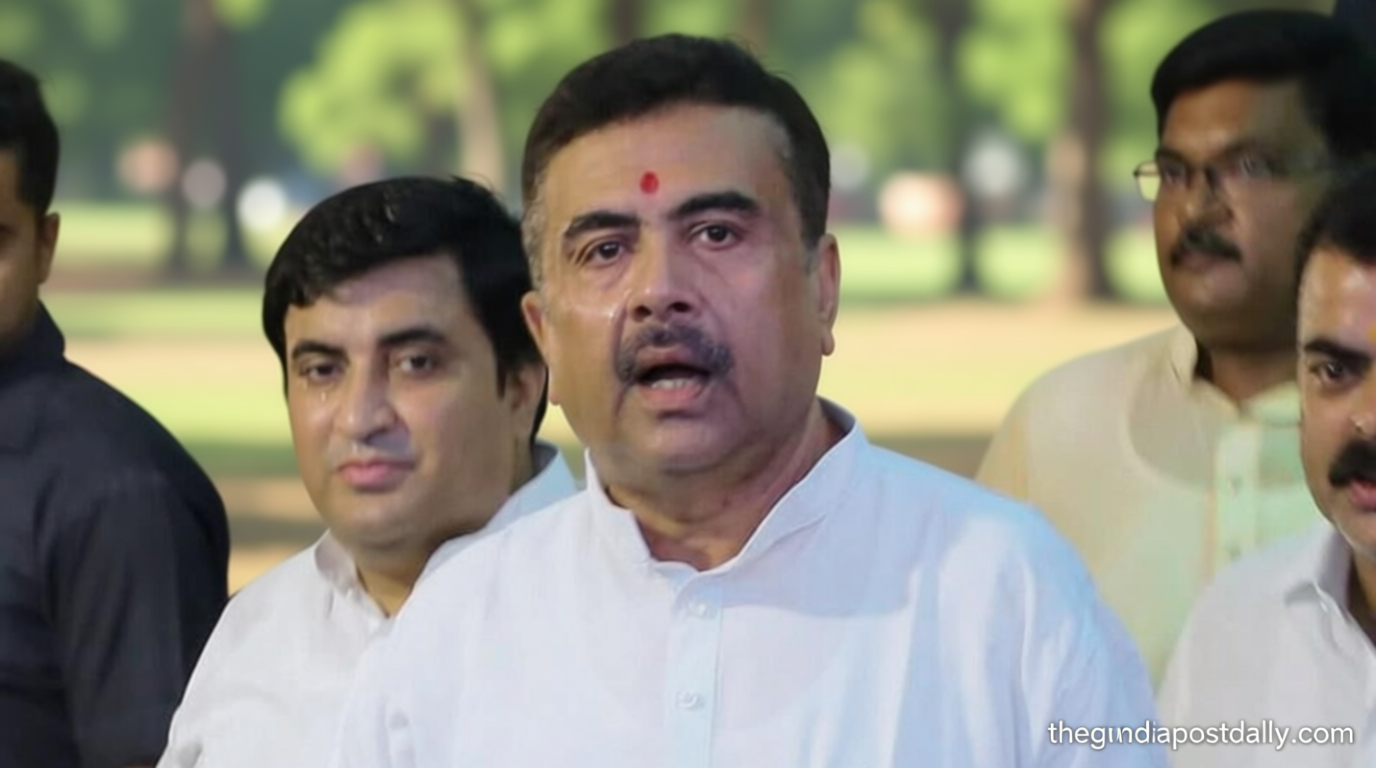
Under Chief Minister Suvendu Adhikari, the BJP government has positioned the changes as a commitment to judicial reforms and administrative efficiency. The focus keyword, “Bengal Assembly amends Mamata era OBC,” is central to this legislative shift, which was framed as a corrective measure to align with constitutional principles. However, the TMC’s alliance members, including those who supported the initial expansion, remain divided, with some resigning from the assembly to protest the decision. The amendments are expected to have a lasting impact on the socio-economic landscape of West Bengal, particularly for the communities removed from the OBC list.
Broader Implications for Reservation Policy
The revised OBC laws not only redefine the reservation criteria but also signal a potential shift in the state’s approach to affirmative action. With the quota reduced to 7%, the changes could affect the number of reserved seats in educational institutions and government jobs. The focus keyword, “Bengal Assembly amends Mamata era OBC,” underscores the state’s efforts to balance inclusivity with constitutional compliance. Critics argue that the removal of 77 Muslim communities may disproportionately impact their representation, particularly in sectors where OBC quotas have historically provided opportunities for marginalized groups.
Meanwhile, the Calcutta High Court’s directive to adjust the reservation structure has prompted discussions on the long-term viability of the OBC system in West Bengal. The state government’s decision to implement the amendments swiftly has been praised by some as a demonstration of executive authority, while others view it as a strategic move to consolidate power. The focus keyword, “Bengal Assembly amends Mamata era OBC,” appears prominently in the context of these reforms, which are seen as a culmination of years of political and legal debates over reservation policies.
Public and Political Reactions
The amendments have elicited mixed reactions from various stakeholders. While the BJP government emphasizes the need for evidence-based classifications, the opposition TMC has accused the ruling party of undermining the social fabric by targeting Muslim communities. Public sentiment remains divided, with some viewing the changes as a step toward equitable representation, while others fear it could widen the gap for minority groups. The focus keyword, “Bengal Assembly amends Mamata era OBC,” is often invoked in discussions about the implications of these reforms, particularly in the context of the 2024 court ruling and its aftermath.
Analysts highlight that the changes to the OBC list could influence future appointments and admissions, affecting the lives of millions. The revised policies also raise questions about the role of the Calcutta High Court in shaping state-level affirmative action strategies. As the focus keyword, “Bengal Assembly amends Mamata era OBC,” continues to shape the narrative, the debate over reservation equity is likely to persist, with the state’s political landscape serving as a battleground for differing interpretations of constitutional law.