82-year-old Bihar man visits bank to withdraw old-age pension, finds ₹759 crore in account
An astonishing discovery by an 82-year-old man from Bihar has

82-Year-Old Bihar Man Discovers ₹759 Crore in Pension Account
Theindiapostdaily.com – An astonishing discovery by an 82-year-old man from Bihar has sparked widespread attention. While visiting a bank to withdraw his old-age pension, he found that his account held an unprecedented sum of ₹759 crore. This unexpected windfall, which initially seemed like a dream come true, has raised questions about the accuracy of India’s pension systems and the processes in place for managing such accounts.
A Shocking Windfall in Muzaffarpur
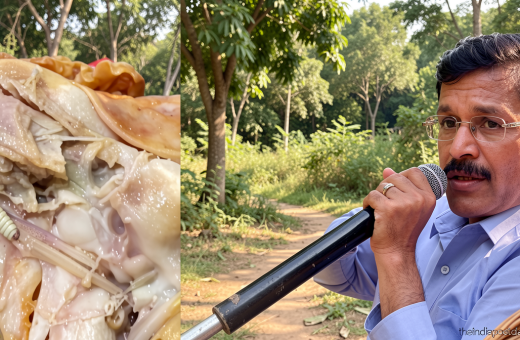
Kameshwar Mishra, a local poet from Muzaffarpur, Bihar, had come to the Common Service Centre (CSC) on Sunday to collect his monthly social security pension. To his disbelief, the bank staff revealed a balance of ₹759,69,51,951 in his name, nearly ₹759 crore. The man’s disabled son, also a pension beneficiary, had an equally staggering amount of ₹759 crore in his account. This combined total of over ₹1,500 crore has left both families bewildered and the local community abuzz with speculation.
Mishra, who had lived modestly, was overwhelmed by the news. He expressed confusion over how such a large sum could have accumulated in his account, especially as the pension scheme is designed to provide a fixed amount monthly. His request for clarification from the bank and government officials has prompted an investigation into the technical glitch or administrative error that led to the massive discrepancy. The incident highlights the importance of transparency in public welfare systems.
Technical Glitches and the Quest for Clarity
Further analysis of the situation suggests a possible technical error in the banking system. While the exact cause remains under scrutiny, officials are working to determine whether the high balance resulted from a data duplication, an incorrect pension allocation, or an oversight in account management. Mishra has taken to social media to share his story, urging the authorities to resolve the issue promptly and ensure the funds are either corrected or distributed as intended.
The bank’s response to Mishra’s inquiry has been a mix of surprise and determination. They have initiated a detailed review of the account records and are collaborating with the state’s pension department to trace the origin of the error. Meanwhile, Mishra and his son are hopeful that the funds will be reallocated or that they will receive a clear explanation of their financial situation. The case has also drawn comparisons to similar incidents in other states, where pension errors have led to significant public debates.
Odisha’s story adds another layer to the narrative of pension-related surprises. Jeetu Munda, a 50-year-old villager from the state, faced a unique challenge when he tried to access his late sister’s savings. Despite presenting her passbook, the Maliposi branch of Odisha Grameen Bank refused his request, insisting he bring the account holder in person. This led Jeetu to an extraordinary decision—he dug up his sister’s grave and brought her skeletal remains to the bank as proof of her death, ensuring the funds were released.
The Bihar and Odisha cases underscore the potential for errors in automated financial systems and the human element in resolving them. While Mishra’s discovery is about an unexpected windfall, Jeetu’s experience highlights the bureaucratic hurdles families face when dealing with posthumous accounts. Both stories have become focal points for discussions on digital literacy, banking procedures, and the need for clearer guidelines in pension and savings management.