66% entertainment, 11.4% e-governance: How India’s connected households divide their time online
A new study by the National Council of Applied Economic
India’s Online Habits: 66% Entertainment, 11.4% E-Governance
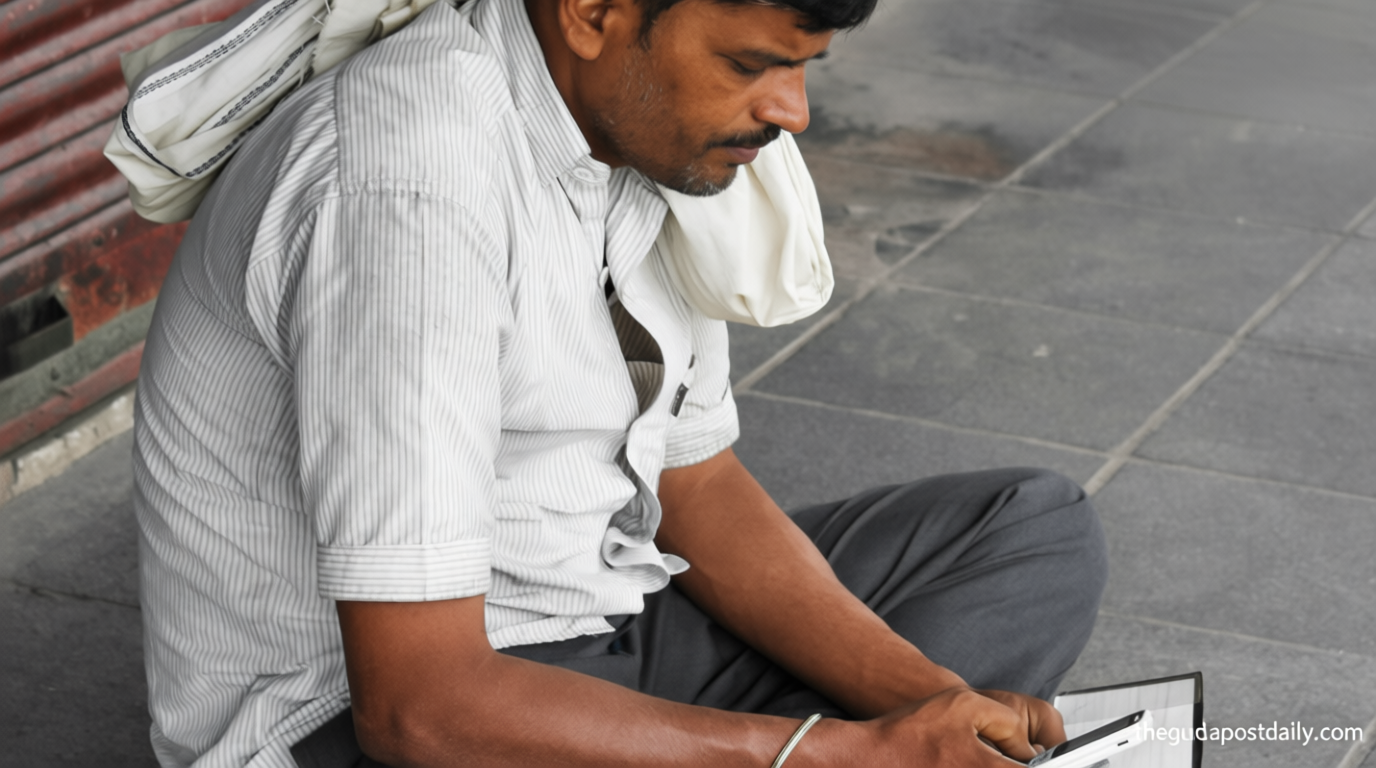
Theindiapostdaily.com – A new study by the National Council of Applied Economic Research (NCAER) reveals that Indian households allocate 66% of their online time to entertainment, with e-governance occupying just 11.4% of that digital footprint. While internet access has expanded rapidly, the majority of households continue to prioritize leisure activities over functional uses such as government services. The findings highlight a persistent divide in how connectivity is utilized, with entertainment platforms and social media dominating user behavior.
The Entertainment-Driven Digital Landscape
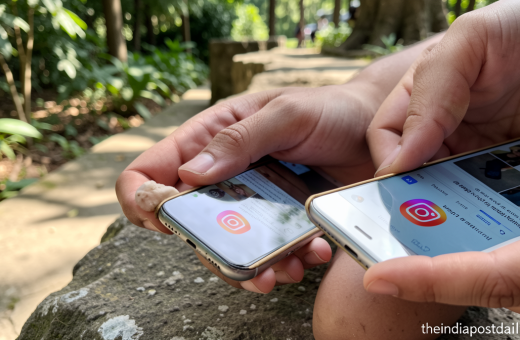
The NCAER report underscores that entertainment is the primary reason for online engagement in India, driven by the popularity of streaming services, gaming, and social media interactions. Over 66% of connected households spend significant time on these activities, reflecting a cultural shift toward digital leisure. Platforms like Netflix and JioHotstar have become household staples, with users investing more time in content consumption than in productivity-focused tasks. This trend suggests that while internet access is widespread, its application remains heavily skewed toward entertainment, leaving other digital functions underutilized.
E-Governance: A Niche Priority
Despite government initiatives to promote digital transformation, e-governance usage remains limited. Only 11.4% of connected households access government services online, indicating a disconnect between policy efforts and actual user behavior. This statistic is notable given the increased availability of digital infrastructure and the rise of mobile internet. The report suggests that while the internet has become a tool for convenience, its role in enhancing civic participation and administrative efficiency is still in its infancy.
“The data reveals that digital technologies have not yet translated into consistent engagement with public services,” says the NCAER study, which analyzed internet usage patterns across India’s urban and rural populations. “This gap raises concerns about the potential for digital tools to drive socio-economic change.”
One possible reason for this disparity is the lack of intuitive design and accessibility in government portals. Additionally, the perception of e-governance as a complex or time-consuming process may deter users from adopting it. The report also highlights that even as internet penetration increases, the integration of digital services into daily routines has not kept pace. This suggests a need for more user-friendly platforms and targeted awareness campaigns to bridge the divide.
Financial Transactions and Digital Tools
The shift in financial behavior is evident in how households manage their money online. Nearly 40.8% of connected households use the internet for money transfers, yet utility bill payments via digital wallets like Paytm and BHIM are less common than those through traditional internet banking. Only 11.7% of households rely on digital wallets for such tasks, compared to 4.4% using internet banking. This indicates a preference for convenience in everyday transactions, even as mobile data affordability continues to grow.
While mobile wallets have gained traction for peer-to-peer transactions, their adoption for bill payments lags behind. This could be attributed to factors such as user trust, transaction security, and the availability of digital payment options in local markets. The NCAER findings suggest that financial inclusion via digital tools is still a work in progress, with entertainment and social media taking precedence over utility-based applications.
Education and Skill Development Online
Online learning constitutes just 16.1% of internet usage, far behind entertainment’s 66%. The rapid expansion of connectivity has primarily supported content consumption rather than educational growth, with households often prioritizing recreational activities over learning. This trend is particularly concerning in the context of India’s push for digital literacy, as it implies that the internet’s potential to enhance skills development remains untapped.
“Affordable mobile data has fueled internet growth, but it hasn’t led to proportional investment in educational content,” notes the report. “This suggests a need for curated digital resources that align with user interests and practical needs.”
Although platforms like YouTube and educational apps have gained some traction, their reach is limited compared to entertainment-focused services. The NCAER data also reveals that the integration of online learning into daily routines requires more than just access—it demands relevance, quality, and ease of use. Addressing this gap could help harness the internet’s potential for broader societal benefits.
Offline Barriers and Digital Inclusion
India’s digital growth has reached a billion internet users by October 2025, but 440 million households remain disconnected. Nearly 27.5% of families lack internet access entirely, even as mobile phones are present in 95.1% of homes. This disparity highlights the challenge of converting device ownership into meaningful online engagement, with affordability and infrastructure playing key roles.
While mobile data has enabled widespread connectivity, the absence of reliable broadband in rural areas continues to hinder deeper digital integration. The report emphasizes that bridging this divide requires not only expanding network coverage but also addressing the digital literacy gap. Initiatives like Digital India aim to enhance connectivity, but the data shows that these efforts are not yet translating into equitable usage patterns across all demographics.
“The digital divide is not just about access—it’s about how households choose to use the internet once it’s available,” the study concludes. “This underscores the importance of tailoring digital services to meet diverse user needs.”
Ultimately, the NCAER findings present a nuanced picture of India’s digital landscape. While entertainment and social media dominate, the underutilization of e-governance and financial tools highlights opportunities for innovation and policy adjustment. By addressing these gaps, India can ensure that its growing internet population leverages connectivity to drive both personal and societal advancement.