When Indira Gandhi flew to Leh to meet Sonam Wangchuk’s father: Why Congress is reviving 1984 episode amid Delhi protest
Indira Gandhi's 1984 Leh Visit: Congress Revives Historical Protest Amid Delhi Education Protests When Indira Gandhi flew to Leh - As the Delhi education
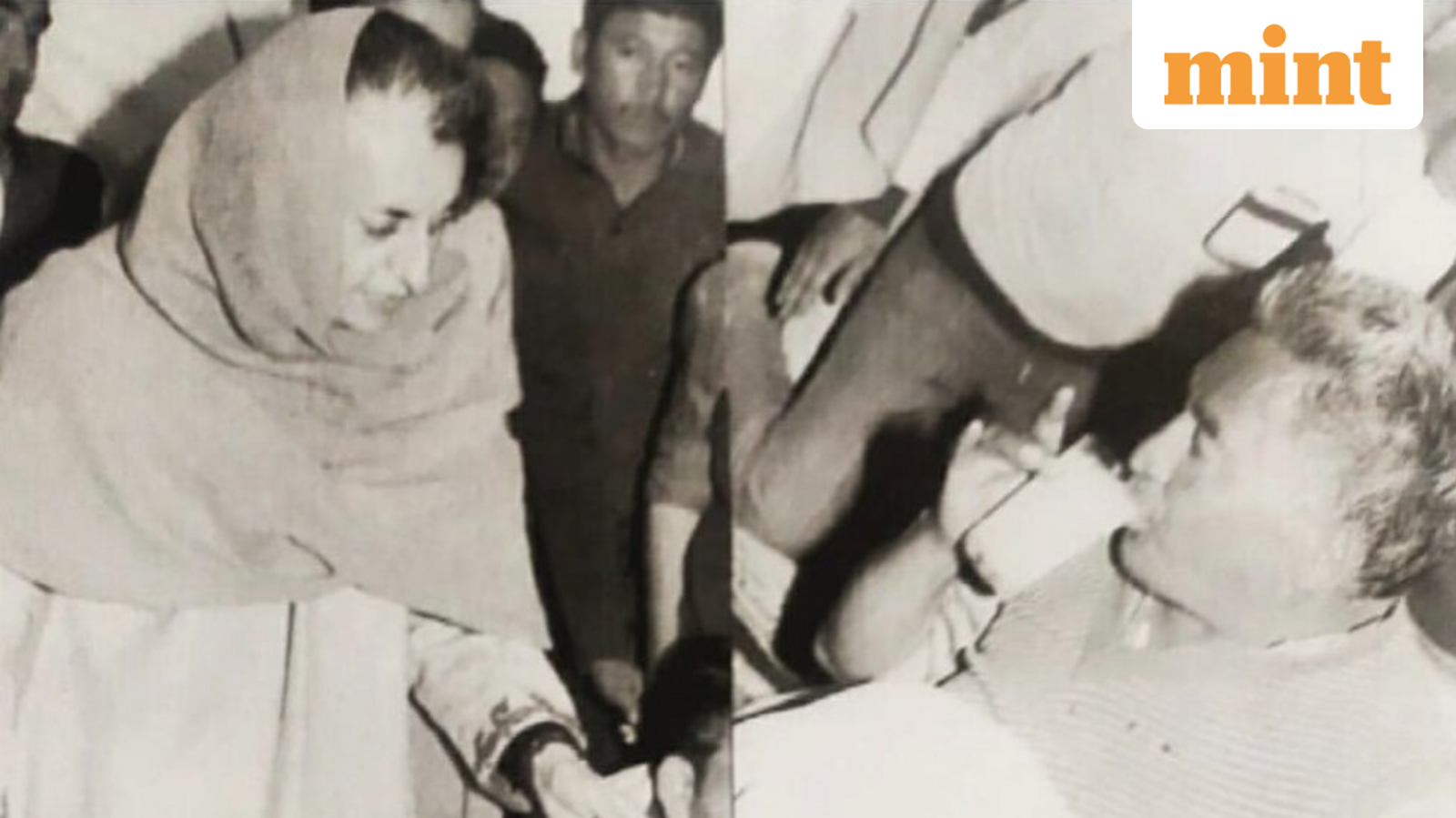
Indira Gandhi’s 1984 Leh Visit: Congress Revives Historical Protest Amid Delhi Education Protests
Theindiapostdaily.com – As the Delhi education protests intensify, the Congress party has drawn attention to a pivotal historical moment—when Indira Gandhi flew to Leh to meet Sonam Wangyal, the father of activist Sonam Wangchuk. The move echoes the 1984 hunger strike that sparked a national conversation about tribal rights in Jammu and Kashmir, now being reinvoked to highlight the government’s response to ongoing demands for education reforms. By invoking this past event, the Congress aims to position itself as a guardian of grassroots movements and a champion of political engagement.
The 1984 Protest and Its Legacy
In 1984, Sonam Wangyal led a hunger strike at Jantar Mantar in Delhi, demanding Scheduled Tribe (ST) recognition for Ladakhi communities. The protest gained national prominence, prompting Prime Minister Indira Gandhi to personally visit Leh, a remote region in Jammu and Kashmir, to engage with the leader. This gesture of solidarity was significant, as it underscored the government’s willingness to address regional grievances directly. The outcome was the eventual granting of ST status to eight communities in 1989, a decision that shaped the political landscape of the region for decades.
Congress’ Strategic Use of History
The Congress’ revival of the 1984 episode is not merely a nostalgic gesture but a calculated effort to align current events with historical precedent. Congress spokesperson Pawan Khera emphasized that Indira Gandhi’s visit to Leh set a benchmark for proactive governance, contrasting it with the present administration’s perceived inaction. By highlighting this moment, the party seeks to underscore its commitment to dialogue and accountability, even when ideological differences arise. The 2011 engagement of Dr. Manmohan Singh’s government with agitating groups further reinforces this narrative.
Wangchuk, who has led recent protests against the National Security Act (NSA) and environmental policies, remains a central figure in the movement. His six-month jail term has intensified calls for special status for Ladakh, a demand that gained momentum after the Union Territory’s establishment in 2019. The Congress’ reference to the 1984 event frames these contemporary struggles as part of a broader narrative of resistance and recognition, tying them to the legacy of Indira Gandhi’s intervention in Leh.
Political Implications and Party Dynamics
The Congress’ decision to revive the 1984 protest highlights its internal cohesion and strategic messaging. Sonia Gandhi, the party’s chairperson, reportedly pushed for a visible response, leading to a meeting attended by prominent leaders like Mallikarjun Kharge and Rahul Gandhi. While Wangyal was expelled from the Congress in 1987 for anti-party activities, his son continues to advocate for the region’s rights, symbolizing a generational shift in the movement’s leadership and priorities.
Analysts suggest that the Congress is leveraging historical parallels to critique the current government’s handling of education reforms. The party argues that the absence of direct engagement with Wangchuk’s demands reflects a lack of political empathy. By re-emphasizing Indira Gandhi’s 1984 visit, Congress aims to portray itself as the rightful heir to a tradition of grassroots advocacy, a narrative that could resonate with voters during the ongoing protests.
Public Reaction and Media Amplification
The Congress’ reconnection with the 1984 episode has sparked mixed reactions. While some praise the move as a reminder of inclusive governance, critics argue it is an attempt to divert attention from other pressing issues. Social media platforms have amplified the discussion, with hashtags like #IndiraGandhiLeh and #CongressLegacy trending as users compare the current protests to the 1984 movement. The Cockroach Janta Party (CJP)’s Saurav Das lauded the Congress’ initiative, stating, “This is a call to action for the government to learn from history and take responsibility.”
Moreover, the Congress’ focus on the 1984 protest underscores its effort to position itself as a defender of regional rights. The party’s historical ties to Wangyal’s cause, despite his earlier expulsion, add a layer of continuity to its political strategy. As the Delhi protests continue, the revival of this episode may serve as a rallying point for supporters, reinforcing the Congress’ image as a party deeply rooted in the struggles of marginalized communities.
The significance of Indira Gandhi’s 1984 visit to Leh lies in its demonstration of a leader’s willingness to transcend bureaucratic hurdles and engage with local demands. By revisiting this moment, the Congress not only honors the past but also seeks to shape the narrative of the present, emphasizing the importance of historical context in understanding today’s political challenges. As the hunger strike persists, the party’s strategic use of history may play a crucial role in influencing public opinion and policy decisions.