Quote of the Day from ‘The Good, the Bad and the Ugly’: Why do you kill yourself working, if…
One of the most enduring lines from the 1966 classic western The Good, the Bad and the Ugly has become a
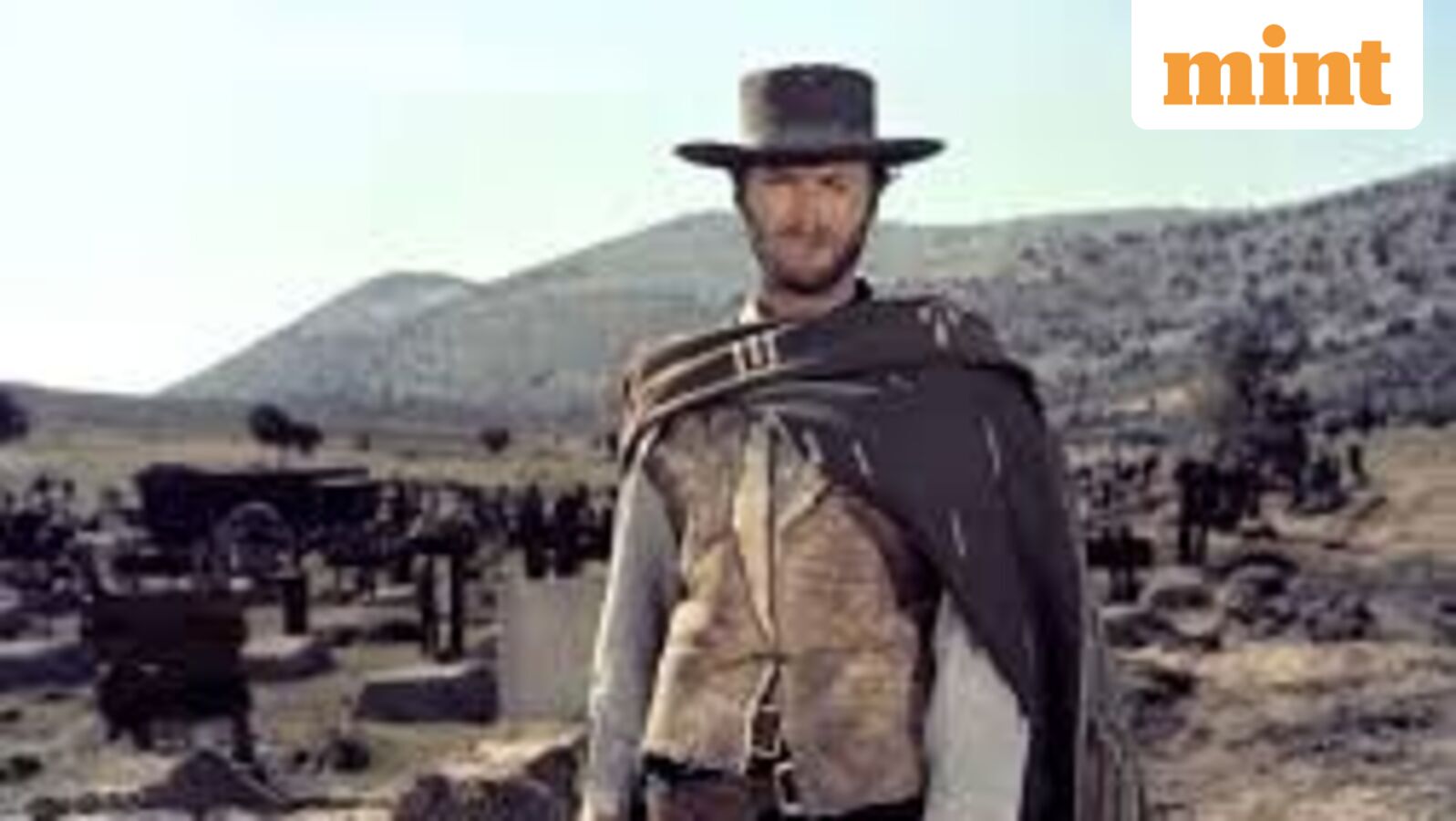
Quote of the Day: “Why Do You Kill Yourself Working, If…”
Quote of the Day from The Good – One of the most enduring lines from the 1966 classic western The Good, the Bad and the Ugly has become a timeless reflection on modern work-life struggles. The phrase “If you work for a living, why do you kill yourself working?”—spoken by Tuco, the cunning outlaw played by Eli Wallach—captures a universal dilemma that resonates across generations. As the focus keyword for this piece, “Quote of the Day” anchors the article in its cultural significance while addressing contemporary concerns about burnout and professional exhaustion.
Origins of a Thought-Provoking Line
The Good, the Bad and the Ugly, directed by Sergio Leone and written by Luciano Vincenzoni and Sergio Leone, is a masterpiece of cinematic storytelling. Its narrative centers on three men—The Good, The Bad, and The Ugly—who embark on a perilous journey to uncover a treasure buried during the American Civil War. Amid the film’s intense action sequences and moral ambiguity, Tuco’s question emerges as a subtle yet powerful critique of the relentless pursuit of success.
“If you work for a living, why do you kill yourself working?”
Though brief, this line encapsulates the film’s deeper themes. Tuco, often portrayed as a ruthless figure, delivers the quote during a seemingly mundane moment, which adds to its impact. The question challenges the viewer to question the cost of ambition and the balance between effort and fulfillment in both the film’s context and real life.
The Film’s Reflection on Work and Survival
Beyond its surface-level plot, The Good, the Bad and the Ugly explores the human condition through the lens of survival. The characters’ motivations are driven by necessity rather than ideals, with wealth and security serving as their primary goals. This framing makes Tuco’s quote particularly poignant, as it mirrors the struggles of people in modern workplaces who often feel trapped by their commitments.
Work, as portrayed in the film, is both a means to an end and a source of internal conflict. The relentless pursuit of gold becomes a metaphor for the sacrifices people make in their careers. Tuco’s question, therefore, is not just a moment of introspection but a commentary on the cyclical nature of labor and its impact on personal well-being.
The Quote’s Resonance in Today’s World
Over six decades since its release, the quote has found new relevance in today’s discourse about work-life balance. In an age of 24/7 connectivity and endless productivity demands, the line feels like a clarion call to reevaluate our relationship with work. Whether in corporate settings, creative industries, or self-employed ventures, the struggle to find meaning in labor remains a central theme.
Modern audiences often grapple with the same question Tuco posed: why do we sacrifice our health, time, and happiness for the sake of work? The quote’s simplicity makes it a powerful tool for sparking conversations about the value of rest, the importance of self-care, and the need for systemic change in how we perceive labor. It has become a rallying cry for those advocating for better work conditions and a more sustainable approach to career success.
A Quiet Moment of Humanity
What makes Tuco’s line so impactful is its placement within a quiet, unassuming scene. Unlike the film’s dramatic showdowns or high-stakes chases, this moment of reflection offers a glimpse into Tuco’s vulnerability. The absence of action allows the question to linger, emphasizing its emotional weight. This contrast between the film’s intensity and Tuco’s introspective moment underscores the universality of his sentiment.
By stripping away the grandeur of the western genre, the scene reveals the shared humanity of all characters. Tuco’s concern for his own well-being mirrors the experiences of countless workers today, who seek not just survival but a sense of purpose in their daily grind. The line, though simple, serves as a reminder that even the most hardened figures can question the value of their labor.
Why This Quote Endures
The enduring appeal of Tuco’s question lies in its ability to transcend time and context. It speaks to the fundamental tension between financial stability and personal fulfillment, a struggle that remains unresolved. As a “Quote of the Day,” it has been shared across social media platforms, workplace discussions, and cultural analyses, proving its timeless resonance.
Its power stems from the way it challenges assumptions about work. The line implies that work should enhance life, not diminish it. This sentiment is particularly striking in a film where the characters are constantly on the move, their lives defined by the pursuit of a fleeting reward. Tuco’s question, therefore, is not just about work but about the meaning we assign to our efforts in an unpredictable world.