Zelensky willing to freeze current battle lines to end war, urges Putin to respond to open letter
Zelensky Proposes Freezing Battle Lines to End War with Putin Theindiapostdaily.com – Ukrainian President Volodymyr Zelensky has suggested freezing the current battle lines as a strategic move to end the…
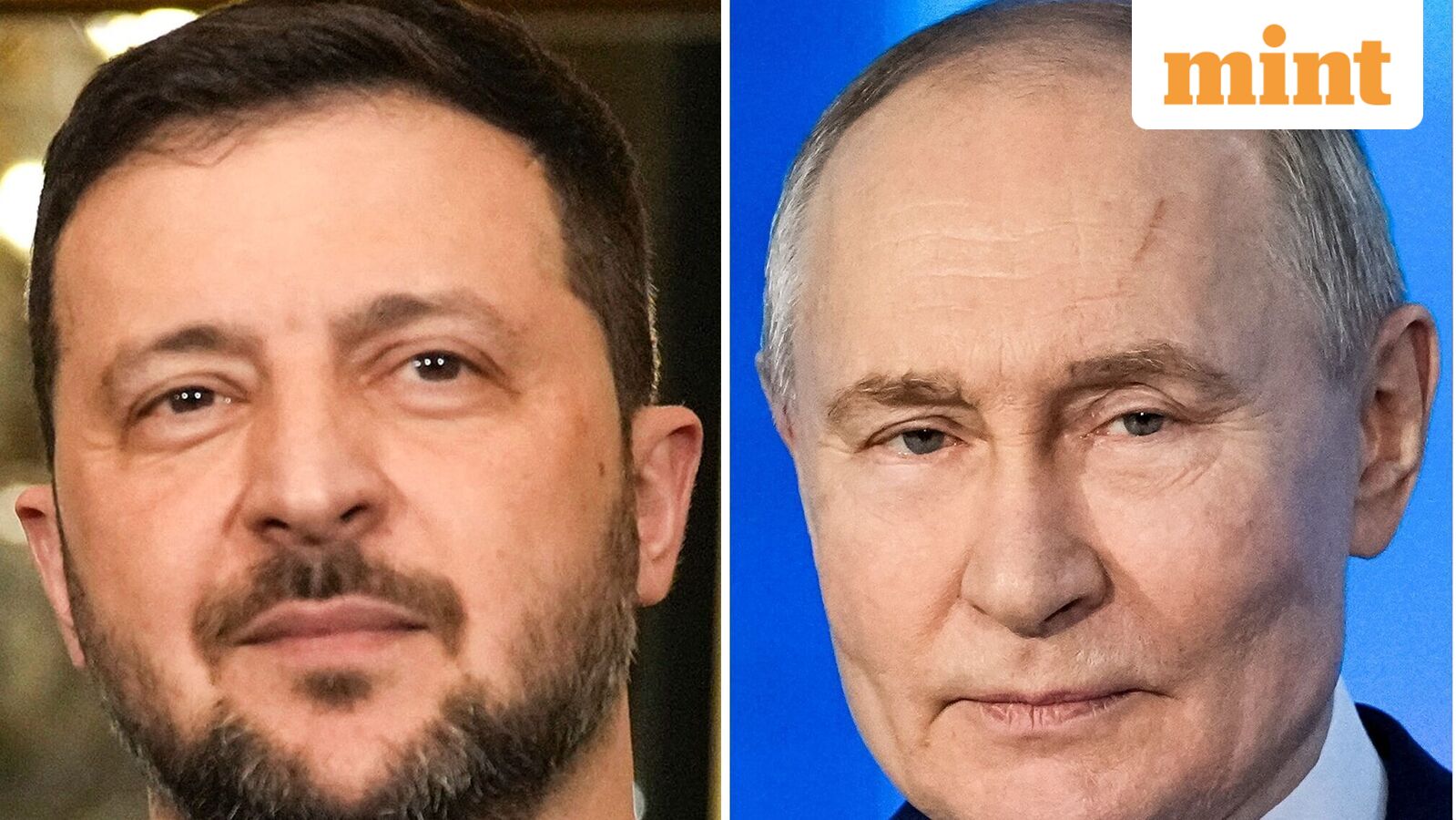
Zelensky Proposes Freezing Battle Lines to End War with Putin
Theindiapostdaily.com – Ukrainian President Volodymyr Zelensky has suggested freezing the current battle lines as a strategic move to end the ongoing war with Russia, according to an interview with Sky News. This proposal, which is central to his efforts to broker peace, marks a pivotal shift in Ukraine’s approach to conflict resolution. Zelensky emphasized that halting hostilities at present territorial positions would not only reduce immediate casualties but also create a foundation for sustained diplomatic talks. By offering a temporary pause in fighting, he aims to present a clear path for de-escalation while maintaining Ukraine’s stance on territorial integrity. The focus keyword, “Zelensky willing to freeze current,” encapsulates the heart of his message, signaling a willingness to compromise in exchange for a lasting ceasefire.
A Ceasefire as a Diplomatic Bridge
During the interview, Zelensky reiterated his commitment to a ceasefire, stating it as the most efficient way to transition from active combat to diplomatic negotiations. “We are ready to freeze the current battle lines,” he said, underscoring the importance of setting a concrete pause to allow both sides to engage in dialogue. This step, he argued, would give Russia time to reflect on its military strategies and provide Ukraine with the opportunity to present its case for a peaceful resolution. The proposal aligns with Zelensky’s broader goal of achieving a sustainable peace, as he highlighted the need to avoid a return to conflict.
“Freezing the battle lines now is essential because it allows us to stabilize the situation and open a channel for meaningful talks,” Zelensky explained. He pointed out that such a move would demonstrate Ukraine’s readiness to negotiate while ensuring it does not cede control of occupied regions. The idea of a front-line freeze has gained traction as a pragmatic solution, with Zelensky emphasizing that it is a step forward rather than a concession. “We want to stop the war in a way where it doesn’t start again,” he added, framing the proposal as a win-win for both Ukraine and Russia.
Open Letter to Putin: A Call for Direct Engagement
Zelensky also underscored the significance of his open letter to Russian President Vladimir Putin, which was published earlier this week. He described the letter as an effort to encourage Putin to engage in direct communication with Ukraine, stating, “I sent an open letter because I don’t know if he will read it or not. It’s a way to ensure he answers to the people of Russia about what matters to their society.” The letter outlines Ukraine’s position, emphasizing the need for a negotiated end to the war rather than continued territorial expansion by Russia.
Despite the letter’s appeal, Putin has yet to respond publicly. During a recent economic forum in St. Petersburg, he dismissed the idea of a meeting, calling it “pointless.” However, Zelensky argued that the open letter serves as a necessary tool to bypass misinformation and reach a broader audience. “The open letter is a way to create accountability,” he said, noting that it forces Putin to address the concerns of his own citizens. This strategy reflects Zelensky’s determination to keep the dialogue open and transparent, even as tensions remain high.
Putin’s Shift in Messaging and the Freeze Proposal
Zelensky observed that Russia’s battlefield setbacks have influenced Putin’s public rhetoric, suggesting a potential softening of his stance. “At the moment, Putin is not as loud about the war because of Moscow’s losses on the front lines,” he explained, indicating that the pressure on Russia may be more conducive to peace talks. This observation ties into his push for a freeze in the current battle lines, which he sees as a way to build trust between the two nations. “If we can agree to halt hostilities, it will show that both sides are ready to make sacrifices for a peaceful future,” Zelensky remarked, highlighting the symbolic and practical importance of the proposal.
Russian Misinformation and the Need for Clarity
Zelensky criticized Russia for misleading its citizens about the nature of the war, asserting that the public is unaware of the aggressive actions taken by Moscow. “His society lives in a fantastic world that they didn’t attack, that it’s not an aggressive war,” he said, stressing the urgency of clarifying the conflict’s reality. He noted that communication with ordinary Russians has become increasingly difficult due to restrictions on information flow, including internet censorship and controlled media narratives. “We don’t have too many possibilities to give signals to this country, the country of aggression,” he added, emphasizing the need for open dialogue to counteract Russian propaganda.
With the freeze proposal as a focal point, Zelensky’s message seeks to bridge the gap between Ukraine and Russia. By offering a tangible step toward peace, he aims to convince Putin that a ceasefire is not only feasible but also beneficial for both nations. “If we can freeze the current battle lines, it will give us time to talk about the future of Ukraine and Russia’s role in it,” he said, underscoring the broader implications of his offer. This approach highlights Zelensky’s strategic thinking and his desire to end the war without compromising Ukraine’s sovereignty.