World News Today Live Updates on June 29, 2026 : What is Article 5 of the US-Iran interim agreement? How the Strait of Hormuz clause triggered fresh US-Iran strikes
ve Updates: US-Iran Interim Agreement Tensions Escalate World News Today Live Updates on June 29, 2026: Global tensions reached a new high as the US and
World News Today Live Updates: US-Iran Interim Agreement Tensions Escalate
Theindiapostdaily.com – World News Today Live Updates on June 29, 2026: Global tensions reached a new high as the US and Iran’s interim agreement faced renewed scrutiny. Breaking news from the Strait of Hormuz and key provisions of Article 5 highlight the ongoing diplomatic and military challenges shaping international relations. Live Mint brings you real-time analysis of how these developments impact global stability and energy security.
The Role of Article 5 in US-Iran Nuclear Diplomacy
Article 5 of the US-Iran interim agreement, signed in 2023, serves as a cornerstone for bilateral cooperation. This clause requires both nations to provide 30 days’ notice before altering any terms of the agreement, ensuring predictability in their nuclear negotiations. While intended to foster transparency, its implementation has sparked debates about whether it can effectively prevent sudden shifts in policy. The clause also establishes a framework for resolving disputes, offering a pathway to avoid full-scale conflict.
Strait of Hormuz Clause and the Spark of Escalation
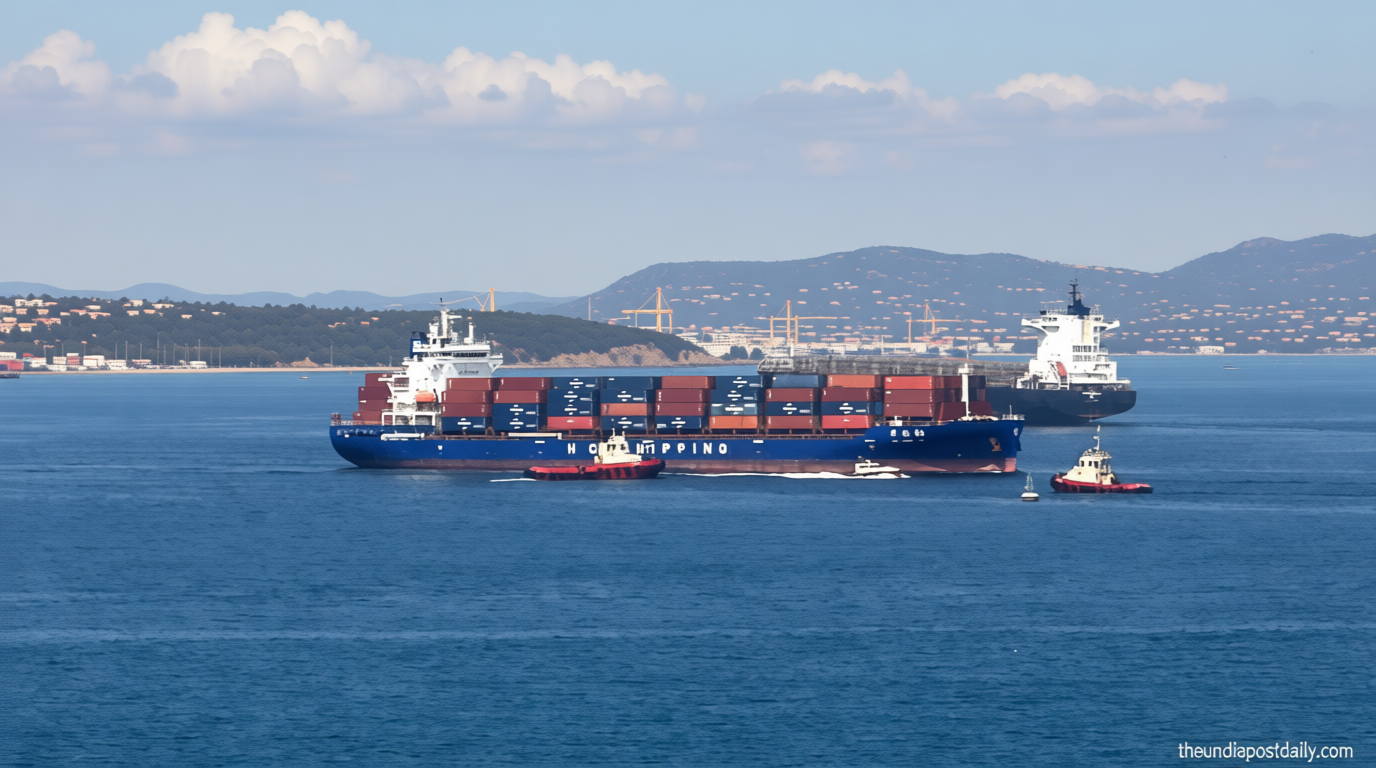
The Strait of Hormuz clause, a critical component of the agreement, empowers either party to unilaterally suspend the deal if the other breaches its terms. This provision has become a flashpoint for tension, as recent strikes demonstrate its potential to ignite rapid confrontations. The strait, a vital chokepoint for global oil transportation, has long been a strategic battleground. Analysts warn that the clause’s activation could lead to unpredictable escalations, testing the limits of diplomatic restraint.
“The Strait of Hormuz clause is a double-edged sword—it provides leverage but also risks destabilizing months of progress,” said Dr. Anika Mehta, a Middle East policy expert at the International Institute for Strategic Studies.
Recent Strikes: A Test of Resolve and a Warning of Escalation
On June 29, 2026, coordinated strikes in the Strait of Hormuz underscored the fragility of the US-Iran interim agreement. These attacks, attributed to both nations, targeted each other’s military assets and signaled a willingness to push the agreement to the brink. The strikes not only disrupted maritime traffic but also highlighted the strategic importance of the region. Experts note that such actions could force a re-evaluation of the agreement’s terms, potentially leading to renewed negotiations or a breakdown in diplomatic efforts.
“These strikes are more than symbolic—they’re a demonstration of each side’s readiness to act unilaterally if diplomacy fails,” remarked Professor Ravi Shah, a geopolitical strategist at the University of Cambridge.
Broader Implications for Global Stability and Energy Markets
The unrest in the Strait of Hormuz has far-reaching consequences beyond the US-Iran dynamic. As a key route for approximately 20% of the world’s oil supply, any disruption risks driving up energy prices and triggering supply chain crises. The interim agreement’s provisions, particularly Article 5, now face heightened scrutiny as they become central to geopolitical maneuvering. Analysts suggest that the strikes could force a re-examination of the agreement’s role in maintaining regional calm. Meanwhile, the US-Iran standoff has drawn attention from global powers, with Europe and China urging restraint to prevent wider conflict.
“The world is watching as the US and Iran test the boundaries of their interim deal,” said political analyst Samira Kaur in a recent briefing. “If this escalates, the consequences could ripple across the entire Middle East and beyond.”
What’s Next: Navigating the Path Forward
As the situation unfolds, stakeholders are closely monitoring how the US and Iran respond to the latest strikes. The interim agreement, while a temporary measure, remains a vital tool for managing nuclear ambitions and reducing hostilities. However, its effectiveness now hinges on the parties’ ability to uphold commitments under pressure. With the Strait of Hormuz clause actively in play, the coming weeks will determine whether diplomacy can prevail or if the agreement will be overshadowed by military confrontations. For now, the world remains on edge as the focus keyword—World News Today Live Updates—continues to shape the narrative of this pivotal moment in international relations.