World News Today Live Updates on June 27, 2026 : Israel, Lebanon reach framework deal; US mediator says agreement is ‘first step’ toward peace, releases text
Israel-Lebanon Framework Deal Marks Peace Progress World News Today Live Updates on June 27, 2026: A historic framework
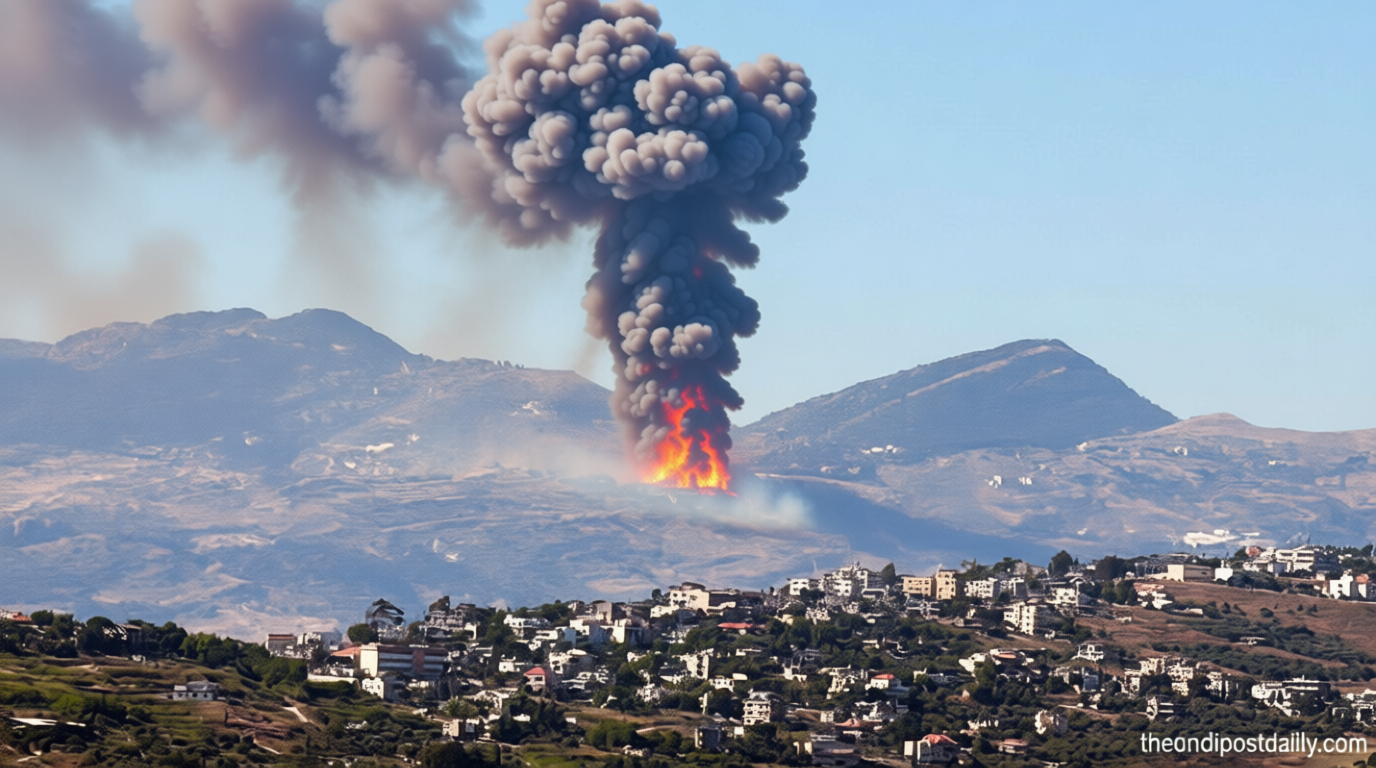
World News Today: June 27, 2026 – Israel-Lebanon Framework Deal Marks Peace Progress
Theindiapostdaily.com – World News Today Live Updates on June 27, 2026: A historic framework agreement between Israel and Lebanon has emerged after weeks of intense negotiations, with the United States playing a pivotal role as mediator. This landmark deal, released on June 27, 2026, signals a potential turning point in the long-standing tensions between the two nations. The agreement, which outlines key terms for a ceasefire and security cooperation, has been hailed as a critical first step toward lasting peace in the region. As part of ongoing World News Today Live Updates, this development underscores the dynamic evolution of global diplomacy and its impact on conflict resolution.
Key Terms of the Framework Agreement
The framework agreement, which was finalized with input from both Israeli and Lebanese officials, includes several pivotal elements. It establishes a six-month ceasefire period, during which both countries will suspend military operations in disputed border areas. Additionally, the deal mandates the gradual withdrawal of Israeli troops from the southern Lebanese region, a move that has been a major sticking point in previous talks. Lebanon, in turn, agrees to allow Israeli forces to maintain a limited presence in key strategic locations to ensure regional security.
Under the terms, a joint security committee will be formed to oversee the implementation of the agreement. This body will consist of representatives from both nations, as well as international observers. The text of the agreement, released by the US Department of State, emphasizes that it serves as a “blueprint for sustainable peace” rather than a final resolution. While details such as troop numbers and ceasefire triggers remain under finalization, the framework has already sparked optimism among analysts and diplomats.
“This agreement is a testament to the power of dialogue,” said a senior US official. “It is not just a ceasefire, but a commitment to mutual respect and cooperation that can pave the way for broader regional stability.”
Historical Context and Regional Implications
The Israel-Lebanon conflict has been a flashpoint in the Middle East for decades, rooted in overlapping territorial claims and ideological differences. Since the 1970s, the two nations have engaged in periodic clashes, with Lebanon’s Hezbollah group often acting as an extension of Iran’s influence in the region. The latest framework deal comes after a series of escalations in 2025, including a major border skirmish that displaced thousands of civilians and drew international criticism.
This agreement is significant not only for Israel and Lebanon but also for neighboring countries and global stakeholders. For Lebanon, it offers a chance to reduce its dependence on external military support while securing a guaranteed ceasefire. For Israel, the deal provides a buffer against potential attacks and opens the door for renewed economic ties with its northern neighbor. Analysts believe that the success of this agreement could influence broader Middle Eastern alliances, particularly as the United States continues to emphasize its role as a peace broker.
International Reactions and Diplomatic Shifts
The announcement of the framework agreement has elicited mixed reactions from the international community. While many countries have praised the breakthrough, others remain cautious. The European Union, for example, expressed hope that the deal would lead to more inclusive negotiations involving Syria and other regional actors. Meanwhile, Iran has called the agreement a “temporary truce,” emphasizing its continued support for Hezbollah.
Leaders from both Israel and Lebanon have publicly endorsed the pact, with Israeli Prime Minister Netanyahu stating that it “represents a new era of coexistence.” Lebanese President Aoun, in a televised address, described the agreement as a “symbol of hope” for his nation’s future. The US has also reiterated its commitment to the deal, with Secretary of State Blinken declaring it a “critical milestone in the path to peace.” As World News Today Live Updates continue to track the progress, the focus remains on how this accord will hold up under scrutiny.
Economic and Strategic Impact
The framework agreement is expected to have far-reaching economic implications. With the resumption of cross-border trade and the reduction of military tensions, both Israel and Lebanon could see a boost in commerce, particularly in sectors such as agriculture, energy, and technology. Lebanon’s ports, which have been heavily impacted by years of conflict and economic instability, may regain their former role as a key hub for regional trade.
Strategically, the deal reinforces the United States’ influence in the Middle East and highlights its ability to mediate complex geopolitical issues. It also sets a precedent for other nations in the region to pursue similar diplomatic solutions. However, challenges remain, including the need for Lebanon to implement the agreement effectively and for Israel to balance security concerns with economic opportunities. As World News Today Live Updates monitor these developments, the long-term success of the deal will depend on sustained cooperation and political will.
Next Steps and Ongoing Monitoring
While the framework agreement marks a major achievement, its implementation will require careful coordination and monitoring. Both countries have agreed to a timeline for reviewing the text, with a finalization date set for early July 2026. The joint security committee will play a central role in ensuring compliance, with regular reports to be submitted to the US and the United Nations.
World News Today Live Updates will continue to provide real-time coverage of the agreement’s progress, including any potential setbacks or modifications. The next phase of negotiations is expected to address the remaining details, such as the specifics of troop withdrawals and the terms of security cooperation. As the region braces for a new chapter, the international community will watch closely to see how this deal impacts the broader Middle East landscape.