Why Israel’s Netanyahu is unhappy with US-Iran deal to end war: ‘Trump’s agreement does not bind us’
Why Israel's Netanyahu is unhappy with the US-Iran deal has sparked
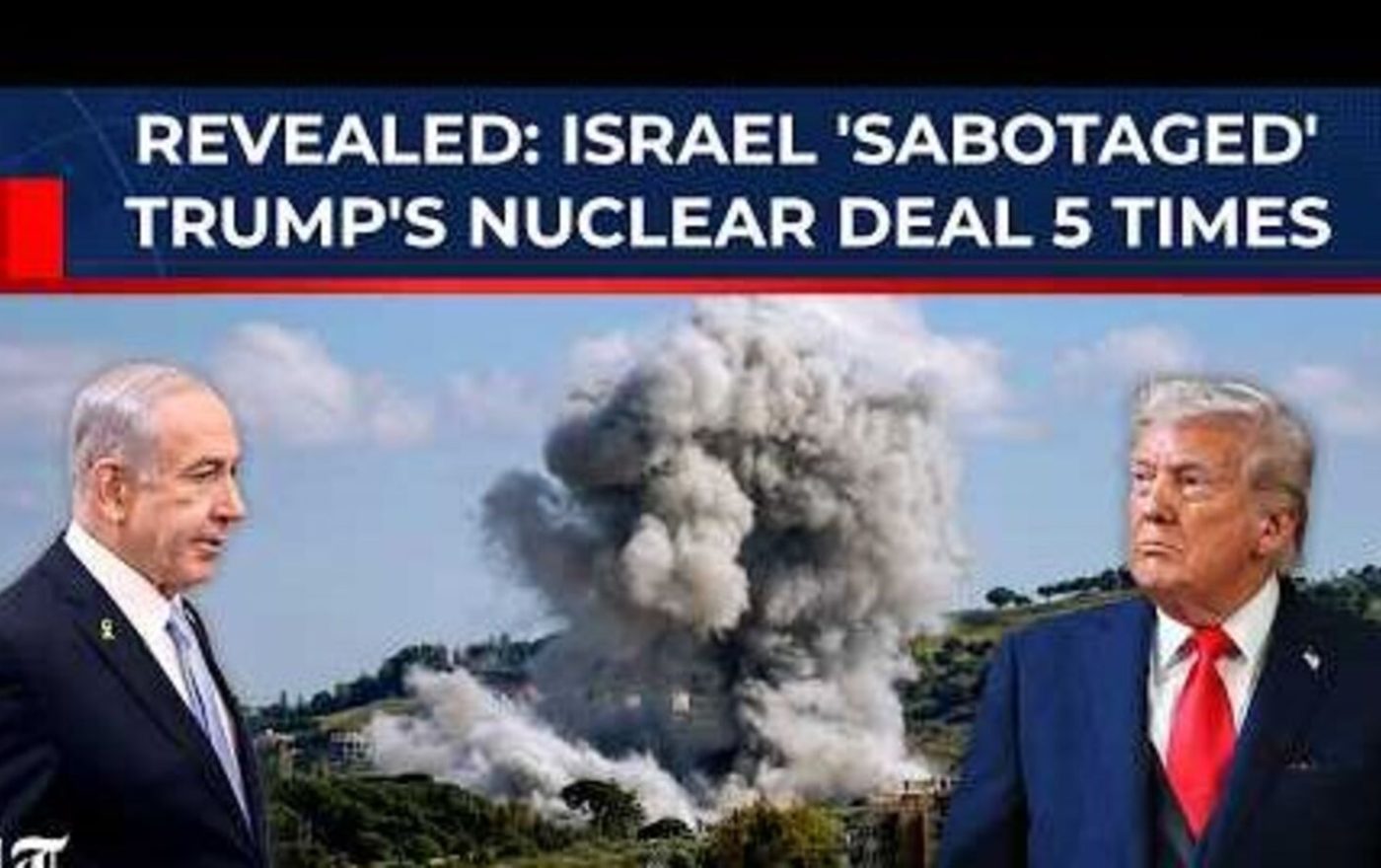
Why Israel’s Netanyahu is Unhappy with US-Iran Deal
Israeli Frustration with US-Iran Accord
Theindiapostdaily.com – Why Israel’s Netanyahu is unhappy with the US-Iran deal has sparked significant debate among Israeli political figures. The agreement, signed in 2020, aims to resolve the protracted conflict between the United States and Iran, but Israeli leaders like Prime Minister Benjamin Netanyahu argue that it fails to secure Israel’s strategic interests. Critics claim the deal does not bind the US to specific commitments, leaving Israel vulnerable to continued threats from Iran and its regional allies.
The accord, negotiated under former President Donald Trump, seeks to halt Iranian nuclear advancements and ease tensions in the Middle East. However, Netanyahu and his supporters believe the agreement is too lenient, particularly regarding Iran’s military presence in Lebanon. They argue that the US-Iran deal leaves critical security zones exposed, undermining Israel’s ability to defend itself against potential Iranian aggression.
Key Concerns and Leadership Reactions
Israeli National Security Minister Itamar Ben Gvir expressed his concerns through a public statement on his Telegram channel, emphasizing that
“Trump’s agreement does not bind us… it does not safeguard our security.”
He stressed that the deal should prioritize dismantling Hezbollah, the Iran-backed militant group operating in Lebanon. Ben Gvir’s remarks highlight the belief that Israel must maintain a strong stance to ensure its northern borders are secure.
Finance Minister Bezalel Smotrich echoed these sentiments, describing the deal as
“bad for Israel.”
He argued that the agreement allows Iran to continue its military activities without strict accountability, threatening Israel’s long-term security. Smotrich’s comments underscore the political pressure within Israel to maintain control over its security policies and military operations.
Israeli Ambassador to India Reuven Azar provided further context, explaining that Israel’s exclusion from the agreement stems from its non-participation in the negotiations. He noted,
“We are not a part of the agreement because we are not around the table when we are not the signatory of the agreement.”
This absence has raised questions about Israel’s role in shaping the deal’s terms and its ability to influence US-Iran relations.
Security Zones and Military Strategy
Defence Minister Israel Katz reiterated the importance of maintaining Israeli military presence in security zones across Lebanon, Syria, and Gaza. He stated,
“Prime Minister Benjamin Netanyahu and I are leading a clear policy that determines the IDF will remain in these zones without any time limit to protect the border and Israeli communities from jihadist elements.”
This policy reflects Israel’s determination to retain control over strategic areas and ensure regional stability.
The deal’s provisions for a permanent cessation of military operations have been met with skepticism by Israeli officials. While the US and Iran agree to halt hostilities, Israeli leaders argue that the agreement does not include mechanisms to enforce compliance. They fear that Iran might exploit the deal to regroup and resume attacks on Israel, particularly in the northern regions where Hezbollah is active.
Regional Implications and Future Outlook
The US-Iran deal, formalized in Geneva with Pakistan as a mediator, has broader implications for the Middle East. Iran’s Supreme National Security Council confirmed the agreement’s goal of ending hostilities, including in Lebanon. However, Israel’s concerns persist, as they believe the deal overlooks the country’s security needs. The framework agreement, though promising, is seen as a temporary truce rather than a lasting resolution.
Iran’s Foreign Minister Abbas Araqchi asserted that the US must guarantee a complete halt to Israeli strikes on Lebanon, a key point of contention. Before the deal was announced, Trump had pledged to bring peace to the region, including stopping Israeli attacks and Hezbollah’s assaults. Yet, Israeli leaders argue that these promises are not binding, leaving them to navigate the conflict independently.
Despite the agreement’s potential to reduce hostilities, Netanyahu’s dissatisfaction underscores the complexity of international diplomacy. Israel’s exclusion from the process has raised doubts about the deal’s effectiveness. As the country continues to monitor the situation, it remains committed to its own security strategy, emphasizing that the US-Iran deal does not fully address its concerns.