Why Bolivia declared state of emergency amid protests? US Defence Chief Pete Hegseth warns ‘United States is watching’
Bolivia’s declaration of a state of emergency has drawn international
Why Bolivia Declared State of Emergency Amid Protests
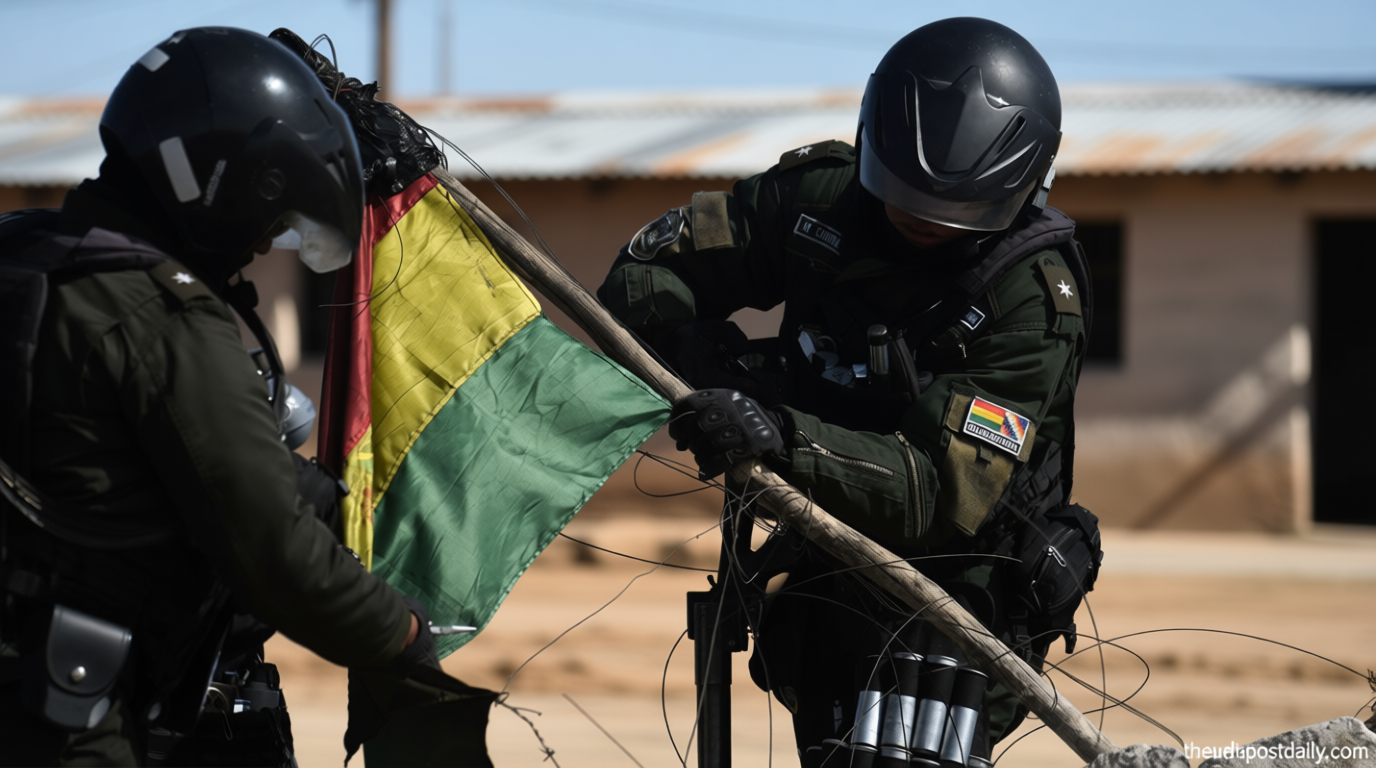
Theindiapostdaily.com – Bolivia’s declaration of a state of emergency has drawn international attention, particularly from the United States. President Rodrigo Paz, who took office in November 2023, announced the emergency on Saturday, aiming to restore order during widespread protests that have paralyzed the country’s capital and major cities. The move allows the military to assist in clearing road blockades, which have disrupted essential services like fuel and food distribution, according to AP reports. This decision underscores the severity of the crisis and the government’s determination to quell dissent.
Roots of the Protests and Austerity Measures
The unrest began as a reaction to Paz’s economic reforms, which included the removal of fuel subsidies and other cost-cutting measures. These policies have intensified inflation and sparked public anger, leading to demonstrations that have spread across Bolivia. Protests, which have persisted for over five weeks, are not just about economic grievances but also about political dissatisfaction. With the MAS party having ruled the country for nearly two decades, many citizens see Paz’s government as a symbol of entrenched power. The protests have escalated into violent clashes, with reports of protesters using dynamite to break through police lines, highlighting the growing intensity of the conflict.
Escalating Tensions and Casualties
As the protests continue, the toll has grown. Authorities have reported at least 365 arrests and 37 injuries, while Bolivia’s ombudsman’s office and human rights organizations document 17 deaths. Most of these fatalities are attributed to transportation disruptions that limited access to medical care, with the government asserting that seven were directly caused by delays in reaching hospitals. The state of emergency has intensified the situation, as the military is now deployed to enforce order and ensure critical supplies reach affected regions. Critics argue that the measure may further strain relations between the government and the populace.
“This is not a state of emergency to restrict people’s lives. It is a state of emergency to give people back their freedom,” Paz stated in a televised address. His remarks aim to reassure the public that the decree is a tool for stability, not repression. However, the broader implications of the emergency remain a topic of debate, with some fearing it could lead to increased government control over civil society.
Duration and Scope of the Emergency
The emergency decree, which will last 90 days, grants the armed forces authority to act against transportation blockades and other disruptions. This includes temporary support for police in maintaining order, reopening roads, and securing public infrastructure. While the decree emphasizes that constitutional rights and due process are not suspended, its implementation has raised concerns about potential overreach. The measure is designed to expedite the restoration of normalcy, but its long-term effects on Bolivia’s political landscape and civil liberties are yet to be fully understood.
U.S. Support and Global Observations
President Paz’s government has received backing from the Trump administration, which has positioned itself as a staunch ally in the region. This support contrasts with the earlier anti-Western stance of Evo Morales, the former president, who now advocates for the protesters from his base in the coca-growing regions. U.S. Secretary of Defense Pete Hegseth has publicly warned that “the United States is watching” those profiting from the chaos in the hemisphere, framing the protests as a threat to regional stability. His comments reflect a broader U.S. interest in maintaining influence in South America and countering leftist movements.
Broader Implications and International Reactions
Bolivia’s state of emergency has sparked discussions about the balance between security and civil rights. While the government claims the measure is necessary to stabilize the economy and protect essential services, opponents argue it could be used to suppress dissent. The situation also highlights the complex geopolitical dynamics in the region, as the U.S. and Bolivia’s allies navigate their positions. With the protests continuing to gain momentum, the state of emergency may serve as a turning point in the country’s political evolution. The international community is closely monitoring the developments, as the crisis could have ripple effects across Latin America.