Who was Zhu Rongji, China’s former premiere and economic reformer who helped power the country’s rise, dies at 97?
China's former premier Zhu Rongji has died following an illness, marking the end of an era for one of the nation's most influential economic reformers
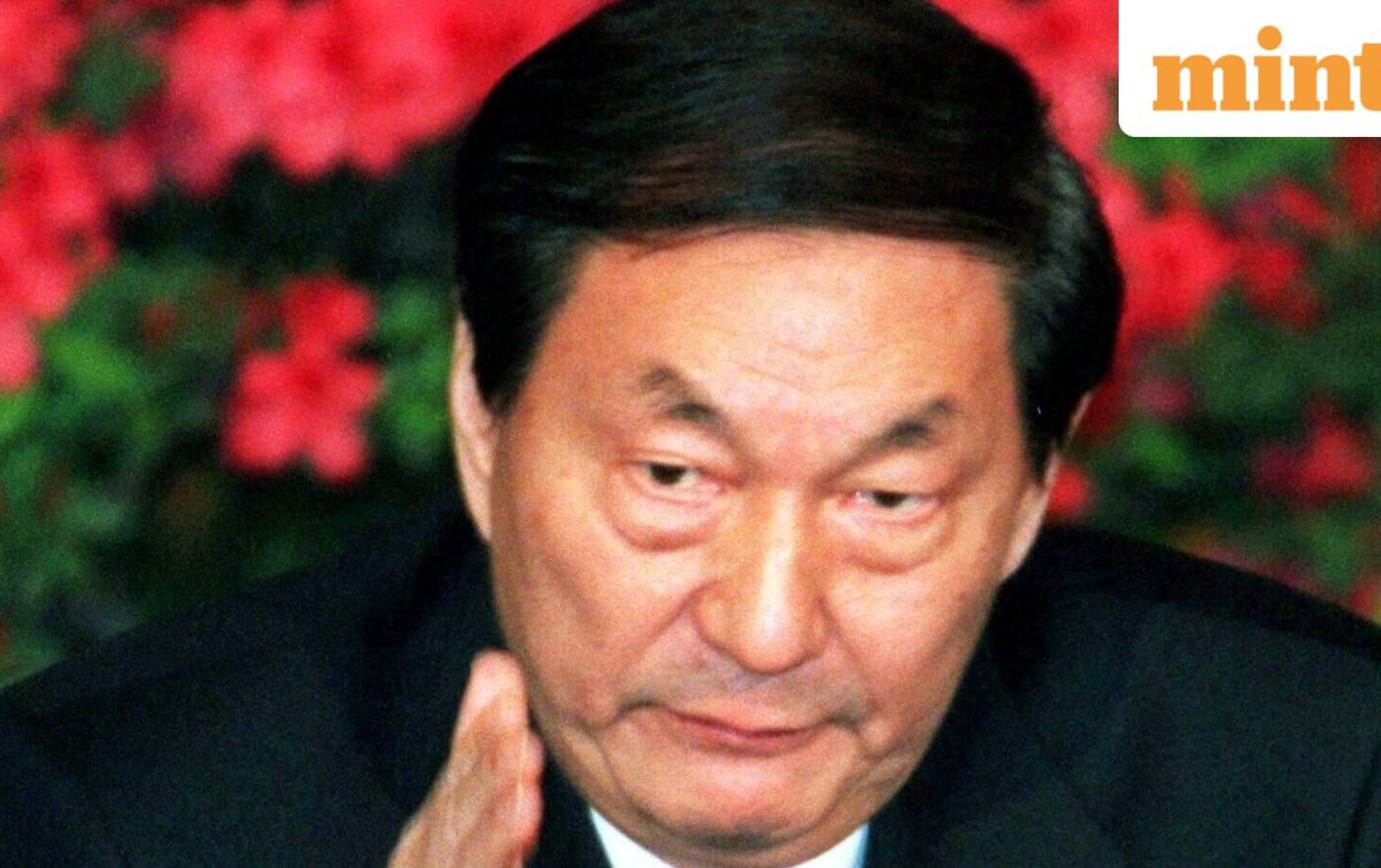
Zhu Rongji, Architect of China’s Economic Transformation, Passes Away at 97
Theindiapostdaily.com – China’s former premier Zhu Rongji has died following an illness, marking the end of an era for one of the nation’s most influential economic reformers. Reports indicate he was either 97 or 98 years old at the time of his passing on Wednesday.
During his tenure as premier from 1998 to 2003, Zhu implemented a rigorous approach toward modernizing China’s economy. He tackled corruption head-on while simultaneously restructuring inefficient state-owned enterprises. His leadership proved instrumental in steering China away from its centrally planned economic model toward greater market orientation and deeper global integration.
A Career Forged in Shanghai and Beyond
Born in October 1928 in Changsha, located within Hunan province, Zhu earned an electrical engineering degree from Tsinghua University before joining the Communist Party of China in 1949.
His political trajectory accelerated during his time in Shanghai, where he held the positions of mayor and Communist Party secretary between 1987 and 1991. In this role, he championed market-driven reforms that transformed the city into a vital hub for international finance and commerce.
Following his Shanghai period, Zhu was elevated to vice premier in 1991 and subsequently joined the Politburo Standing Committee, China’s highest decision-making organ. He assumed the premiership in March 1998, a position he maintained for five years.
Reforms That Reshaped the Nation
When Zhu took office, China confronted multiple economic challenges simultaneously. The country grappled with severe inflation, accumulating debt burdens, and substantial losses within state-owned enterprises.
His response involved comprehensive restructuring measures. The government privatized or shut down struggling state companies while streamlining bureaucratic operations and centralizing fiscal management. Additionally, housing reforms were introduced to stimulate private home ownership.
These transformations fundamentally altered China’s economic landscape. However, they also generated considerable social disruption, particularly through mass layoffs as inefficient enterprises underwent closure or restructuring.
Despite these hardships, many observers credit Zhu with laying the institutional groundwork that enabled China to emerge as a global economic power.
Pioneering China’s WTO Accession
One of Zhu’s crowning achievements involved securing China’s membership in the World Trade Organization. He played a pivotal role in the extended negotiations that ultimately led to China’s WTO accession in 2001.
While some domestic officials worried that the concessions required for membership might damage the home economy, Zhu remained steadfast in advancing the process. WTO membership subsequently accelerated China’s integration into international markets and established the country as a major force in global trade.
Property Boom and Economic Evolution
Zhu’s policy framework catalyzed rapid expansion in China’s property and construction industries. Housing reforms encouraged homeownership and contributed to what would become one of the world’s largest real-estate booms.
His initiatives also addressed financial vulnerabilities stemming from inefficient state enterprises and excessive government expenditure. Nevertheless, the transition proved disruptive for many citizens. Large-scale job losses occurred as state enterprises closed or were privatized, while the market-oriented shift widened economic inequality.
The real-estate expansion that followed Zhu’s reforms eventually became a defining characteristic of China’s economy, with property and construction sectors accounting for a significant portion of economic activity.
Connection to Deng Xiaoping and India Relations
Zhu maintained a close association with Deng Xiaoping, the visionary leader widely recognized as the architect of China’s post-Mao economic transformation. Viewing Deng as both mentor and patron, Zhu shared his leader’s conviction in market-oriented reforms. Together, their collaborative vision helped move China further from the Soviet-style centrally planned model that had previously dominated.
According to Communist Party historians, Zhu’s economic philosophy had previously clashed with the ideological approach associated with Mao Zedong.
Beyond domestic reforms, Zhu contributed to strengthening India-China relations. In 2002, he undertook a historic visit to India—the first by a Chinese premier in eleven years. During this trip, he met with then-Prime Minister Atal Bihari Vajpayee and other Indian officials, with economic cooperation and mutual trust featuring prominently in discussions.
Zhu’s itinerary included visits to Agra, New Delhi, Mumbai, and Bangalore, demonstrating his commitment to building bridges between the two Asian nations.
A Legacy of Blunt Honesty
Unlike many Chinese leaders who favored cautious public pronouncements, Zhu earned recognition for his straightforward, often blunt speaking style. This characteristic, combined with his decisive economic reforms, cemented his reputation as one of modern China’s most consequential figures.
Related Reading
Frequently Asked Questions
What is Who was Zhu Rongji China s former?
Who was Zhu Rongji China s former is the main topic of this guide. The article explains the context, practical details, and next steps readers should understand.
Why does Who was Zhu Rongji China s former matter?
Who was Zhu Rongji China s former matters because readers are looking for a useful answer, not just a short summary. Good content should match search intent and help them decide what to do next.