WHO revises Ebola risk assessment: Congo under ‘very high’ risk — Does India have cases?
WHO Updates Ebola Risk Assessment: Democratic Republic of the Congo in 'Very High' Risk WHO revises Ebola risk assessment - The World Health Organization
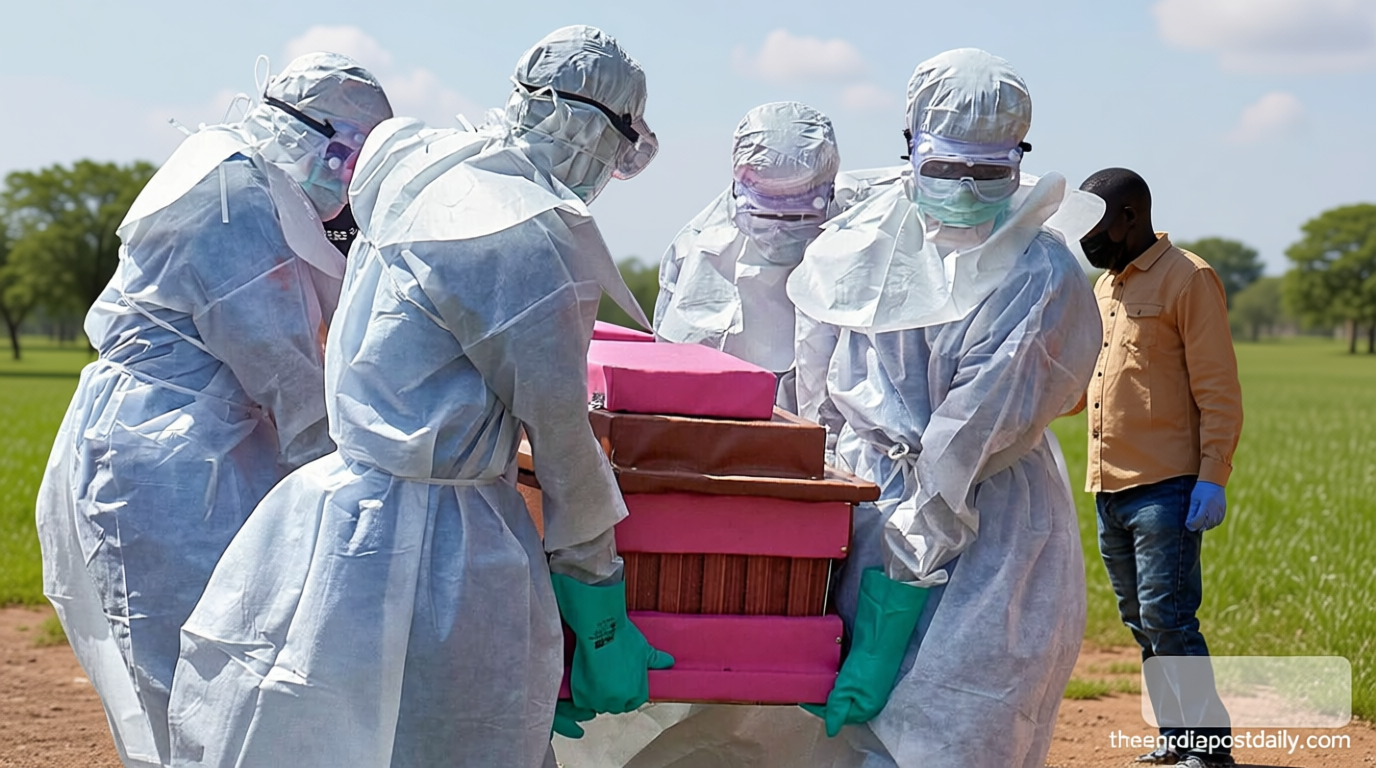
WHO Updates Ebola Risk Assessment: Democratic Republic of the Congo in ‘Very High’ Risk
Theindiapostdaily.com – The World Health Organization (WHO) has revised its Ebola risk assessment, elevating the Democratic Republic of the Congo (DRC) to the ‘very high’ risk category. This decision reflects the evolving dynamics of the outbreak, which has seen a significant increase in cases and fatalities. The agency now emphasizes the urgency of containment measures, with neighboring countries like Uganda also categorized under ‘high risk.’ The revised assessment underscores the global importance of monitoring the DRC’s situation closely, as it remains a critical hotspot for the virus.
Escalating Cases in the DRC and Regional Spread
As of the latest data, the DRC has reported 515 confirmed Ebola cases, with 91 deaths recorded, marking a sharp rise from previous figures. This surge has raised concerns about the virus’s potential to spread beyond the country’s borders. The case fatality rate has increased to 17.4%, indicating a more severe outbreak compared to earlier stages. WHO’s updated evaluation highlights the need for intensified surveillance and rapid response strategies to prevent further escalation.
“The epidemic’s expansion across multiple regions, combined with ongoing challenges in health system capacity and community engagement, has necessitated this upward revision of the risk level.”
Factors Contributing to the High Risk in the DRC
The Democratic Republic of the Congo’s status as a ‘very high’ risk area is attributed to several interrelated factors. First, the outbreak has spread to previously unaffected regions, increasing its geographical reach. Second, political instability and conflict in certain areas have hampered the deployment of healthcare workers and logistical support. Third, misinformation and fear within local communities have slowed efforts to trace contacts and isolate infected individuals. Additionally, limited access to diagnostic laboratories and delayed confirmations have compounded the challenge of controlling the virus.
“Epidemiological links are still under investigation, and the source of the outbreak remains unclear, adding complexity to containment efforts.”
India’s Status and Global Preparedness
India continues to remain free of Ebola cases, according to the latest WHO updates. However, the agency has advised heightened vigilance, especially for countries with ties to the DRC through trade, travel, or migration. The revised risk assessment serves as a reminder that the virus can cross borders, and while India’s current situation is stable, preparedness measures are essential. Health authorities in India are closely monitoring any signs of importation, ensuring that existing protocols are up to date.
“India’s health infrastructure and rapid response systems have been tested in previous outbreaks, providing confidence in its ability to manage potential cases.”
Understanding the Ebola Virus and Its Spread
Ebola is a highly infectious virus that spreads through direct contact with the bodily fluids of infected individuals. It is classified as a zoonotic disease, meaning it can jump from animals to humans, with fruit bats often cited as natural reservoirs. The virus causes severe hemorrhagic fever, leading to symptoms such as fever, fatigue, muscle pain, and in severe cases, organ failure. Early detection is crucial, but non-specific symptoms often delay diagnosis, allowing the virus to spread undetected.
“The WHO’s revised assessment highlights the need for improved diagnostic capabilities and public health education to combat misinformation and accelerate response efforts.”
With the DRC now classified under ‘very high’ risk, the global health community is urged to maintain a proactive stance. The updated evaluation not only reflects the current state of the outbreak but also serves as a call to action for countries to strengthen their preparedness. While the risk of transmission to India remains low, the WHO’s revised assessment ensures that all nations are aware of the potential for global spread and the importance of coordinated efforts in containing the virus. This shift in risk classification marks a critical step in refining global health strategies to address emerging threats effectively.