Who is Mohammad Bagher Ghalibaf, the key negotiator behind US-Iran peace deal?
Mohammad Bagher Ghalibaf, the pivotal figure in recent US-Iran negotiations, has emerged as a
Who Is Mohammad Bagher Ghalibaf, Key Negotiator in US-Iran Peace Deal?
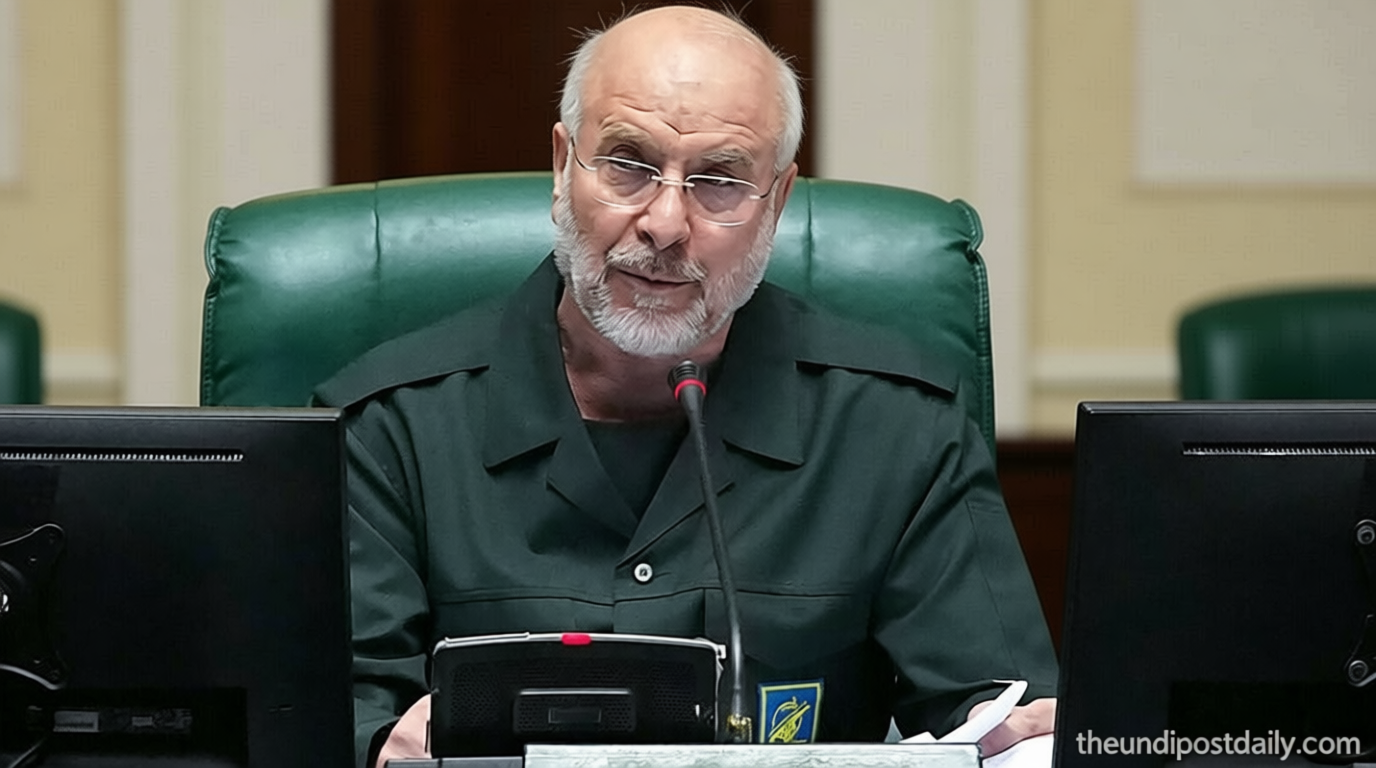
Theindiapostdaily.com – Mohammad Bagher Ghalibaf, the pivotal figure in recent US-Iran negotiations, has emerged as a central player in the historic peace agreement. As the leader of Iran’s Revolutionary Guards and a senior member of the country’s political establishment, Ghalibaf’s role has gained renewed significance following the conclusion of tense talks. His involvement has not only reshaped Iran’s strategic approach to international relations but also positioned him as a key architect in the path toward a lasting resolution with the United States.
From Military to Diplomatic Leadership
Mohammad Bagher Ghalibaf’s journey from a military strategist to a diplomatic negotiator underscores his adaptability in navigating Iran’s complex political landscape. Before becoming a key negotiator, he served as the mayor of Tehran and the head of the police force, roles that honed his administrative skills. His tenure as the commander of the Revolutionary Guards, a powerful paramilitary group, further cemented his reputation as a pragmatic leader. This blend of military and political experience has made him uniquely suited to bridge gaps in negotiations, particularly during the current US-Iran peace process. His presence at the highest levels of talks in Islamabad and his continued engagement with US officials reflect his strategic importance.
Resilience Amidst Turmoil
Mohammad Bagher Ghalibaf’s survival through the recent conflict has made him a symbol of endurance and resilience. The war, which claimed the lives of Iran’s Supreme Leader Ali Khamenei and top security official Ali Larijani, left the nation’s leadership in flux. Ghalibaf, however, emerged as a stable figure, taking on the mantle of key negotiator. His reentry into public life in April, marked by a bold social media post, highlighted his determination to assert Iran’s position in global diplomacy. This post, which declared,
“You come for our home… you’re gonna meet the whole family. Locked, loaded and standing tall. Bring it on.”
, signaled a shift in Iran’s approach to international relations and showcased Ghalibaf’s ability to communicate Iran’s resolve.
Leadership in Uncertain Times
The absence of Ali Khamenei, who had guided Iran for nearly four decades, created uncertainty in the country’s leadership. While his son Mojtaba was named as the successor, Ghalibaf has stepped into the spotlight, representing Iran’s military and diplomatic interests. His role in the peace talks has been crucial, as he balances the demands of the Revolutionary Guards with the broader goals of the Iranian government. Analysts suggest that although Ghalibaf holds significant influence, his authority remains intertwined with higher-ranking officials in Tehran, reflecting the collaborative nature of Iran’s decision-making process.
Strategic Influence and Regional Dynamics
Mohammad Bagher Ghalibaf’s strategic acumen has not only influenced the US-Iran peace deal but also shaped Iran’s relationship with key regional players. His recent appointment to oversee Iran’s critical ties with China, the largest buyer of its oil, signals a broader vision for economic and political realignment. This move is part of a larger effort to diversify Iran’s international partnerships and reduce reliance on Western markets. Ghalibaf’s ability to negotiate effectively has been noted by international observers, with the Washington Post highlighting his calm demeanor and persuasive tactics during discussions with US representatives. His role in these talks has positioned him as a potential leader for a transformed Iran, capable of steering the nation toward stability and cooperation.
Beyond his diplomatic achievements, Ghalibaf’s career has been defined by a mix of military and civilian roles, each contributing to his reputation as a formidable leader. His leadership in quelling protests, such as the 1999 student uprisings, the 2009 Green Movement, and the 2026 nationwide demonstrations, has further solidified his image as a decisive figure. Despite his political ambitions, Ghalibaf has yet to secure the presidency, but his influence on Iran’s foreign policy remains undeniable. His active presence on social media, where he shares messages in idiomatic American English, has also sparked discussions about his evolving public persona and how it aligns with Iran’s broader communication strategy.
Legacy and Future Prospects
As the US-Iran peace deal moves forward, Mohammad Bagher Ghalibaf’s legacy as a key negotiator will be closely scrutinized. His ability to navigate both domestic and international challenges has been critical in maintaining Iran’s strategic foothold in global diplomacy. While his role in the peace process is a significant milestone, it also raises questions about his long-term prospects. Will he continue to hold sway in Iran’s political corridors, or will new leaders emerge to redefine the nation’s direction? With his unique blend of military experience and diplomatic finesse, Ghalibaf remains a central figure in shaping Iran’s future. His journey from the battlefield to the negotiating table exemplifies the dynamic nature of Iran’s leadership and its readiness to embrace change in pursuit of stability.